






Bar-winged Skimmer
Libellula axilena
The Bar-winged Skimmer is a beautiful dragonfly with bright colors and unique wing patterns. They love to fly around ponds and lakes, where they can be seen darting through the air.
Hábitat: Wetlands
The Bar-winged Skimmer has a robust body and clear wings, distinctively marked with a dark brown or black patch at the base of each hindwing. Males are powdery blue, while females are yellowish-brown, both featuring a prominent dark pterostigma near the wingtip.
Categoría
InsectosRareza
Common
Peligro
1/5 · Muy bajo
Snaps
¡Sé la primera persona en hacer un snap!
Dragonflies are ancient insects, soaring for over 300 million years!
Males patrol territories over water, chasing away other dragonflies that intrude.
Their young live underwater for up to two years, breathing through special gills!
They can control their body temperature by adjusting how much they fly or perch.
Bar-winged Skimmer has huge compound eyes that help them spot tiny flying prey and predators from almost any direction.
Bar-winged Skimmer can instantly change direction mid-air because of their four independently controlled wings, allowing amazing agility.
Bar-winged Skimmer can dart forward at incredible speeds to snatch insects right out of the air using their spiny legs like a basket.
These skillful aerial hunters feast on tiny flying insects like mosquitoes and flies, keeping populations in check.
Diferencias por edad: Nymphs hunt underwater insects; adults catch flying prey.
Aedes aegypti
Eats these pesky flying insects
Rana clamitans
Often becomes a meal for hungry frogs
Esox lucius
Large fish prey on their aquatic nymphs
Culex pipiens
An effective predator of mosquito adults
Las criaturas aéreas pasan una parte importante de su vida en el aire, utilizando el vuelo para diversas actividades como la caza, la migración o la anidación.
Colorido describe a organismos u objetos que exhiben una amplia variedad de colores brillantes y distintivos.
Este rasgo identifica a los organismos cuya dieta consiste principalmente en insectos y otros pequeños invertebrados.
Este rasgo de hábitat identifica especies que se encuentran en humedales, que son áreas de tierra saturadas de agua, ya sea permanente o estacionalmente, e incluyen marismas, pantanos y ciénagas.

Los hábitats de agua dulce incluyen entornos acuáticos no salinos como ríos, lagos, estanques y humedales, vitales para numerosas especies.

Los animales diurnos están activos principalmente durante el día y suelen descansar o dormir por la noche.

Describe una especie cuya presencia y papel tienen un efecto desproporcionadamente grande en su entorno.

Este rasgo identifica a los organismos que exhiben una rapidez excepcional en sus movimientos para cazar, escapar o desplazarse.

Describe organismos que transfieren polen, permitiendo la fertilización y reproducción de las plantas.
Todavía no hay alias listados.
Peligro
1/5 · Muy bajo
Dragonflies are friendly and won't hurt you, but it's best to watch them from a distance.
60-80 mm
40-50 mm
30-60 días
35 km/h
These skillful aerial hunters feast on tiny flying insects like mosquitoes and flies, keeping populations in check.
Wetlands
Pursuit
6
Acércate para separar los grupos y explorar dónde se ha fotografiado este objeto.
Los snaps recientes aparecerán aquí a medida que se añadan nuevas observaciones.
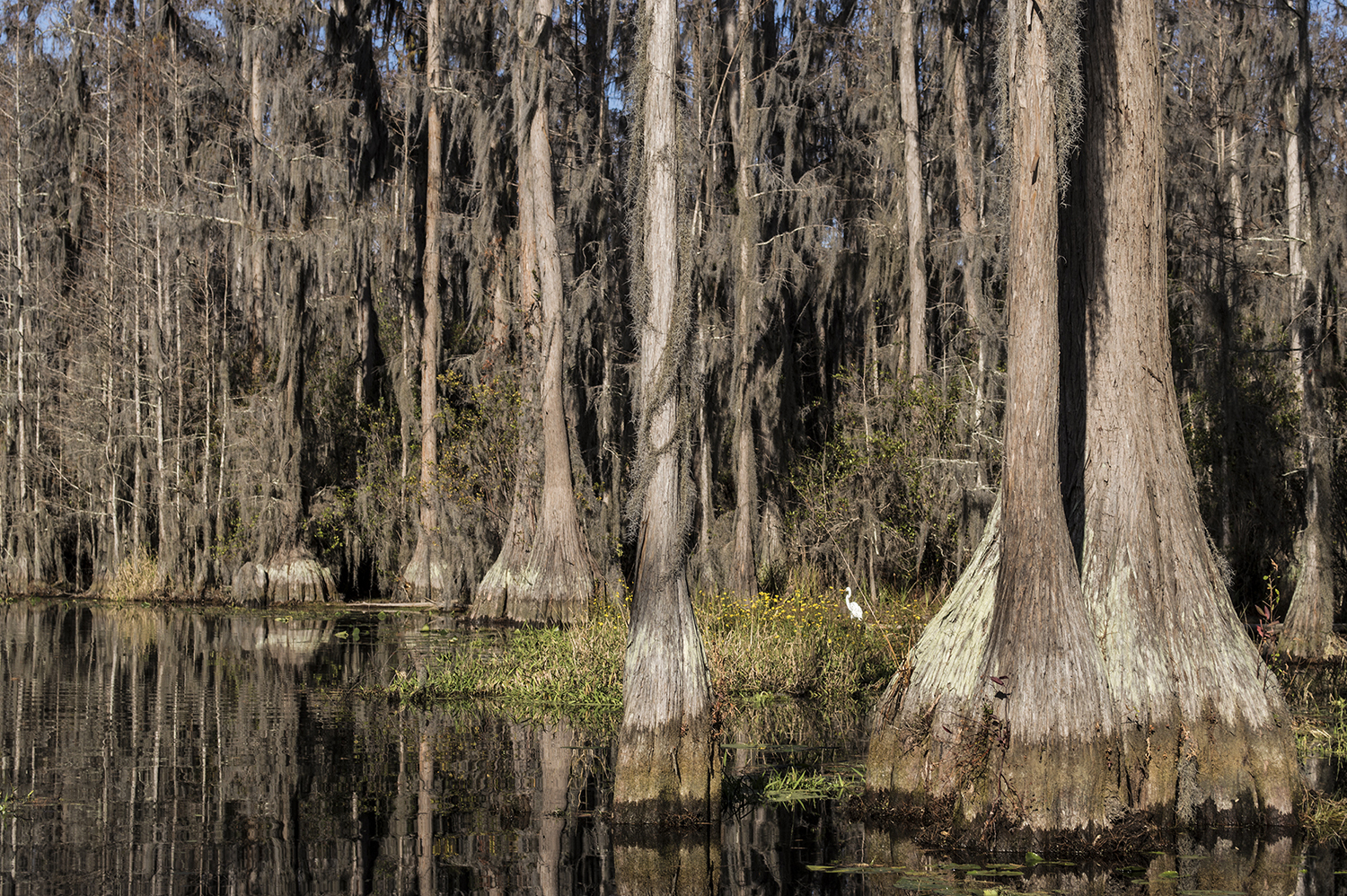
Georgia, US
Puedes ver Caimán Americano, Ciervo De Cola Blanca y Anolis Verde.
Ver guía →

North Carolina, US
Puedes ver Spiny Spikemoss, Laurel De Montaña y Longleaf Pine.
Ver guía →
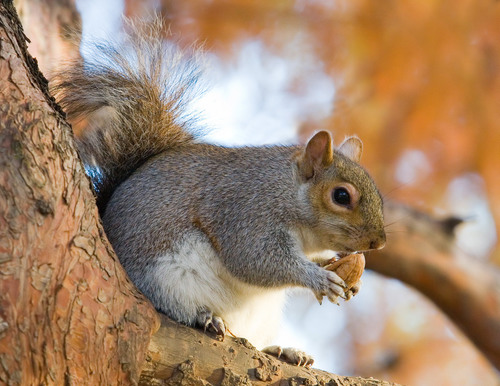
Florida, US
Puedes ver Ardilla Gris Oriental, Southern Live Oak y Fir Tussock Moth.
Ver guía →





.jpg&width=800)





.jpg&width=800)

