Bearded Emperor Tamarin
Saguinus subgrisescens
The Bearded Emperor Tamarin is a small monkey with a fluffy beard! They are very playful and love to swing from tree to tree in their forest homes.
Hábitat: Forests
The Bearded Emperor Tamarin has a grey body with a reddish-brown tail, often tipped in black. Its most distinctive feature is a long, flowing white mustache and beard that extends past its shoulders, making it look regal. This small monkey has black hands and feet.
Categoría
MamíferosRareza
Common
Peligro
1/5 · Muy bajo
Snaps
¡Sé la primera persona en hacer un snap!
Baby tamarins are carried on their dads' backs almost all the time!
Some emperor tamarins were named after a German emperor because of their mustache!
Their long, bushy tail is longer than their body and helps them balance while jumping!
They often share their forest homes with other monkey species like saddle-back tamarins!
Bearded Emperor Tamarins can leap far distances between trees because of their strong hind legs that help them navigate the forest canopy.
Bearded Emperor Tamarins have excellent eyesight and hearing that helps them spot tiny insects and hidden predators in the dense rainforest.
Bearded Emperor Tamarins can find food more efficiently by working together in groups that helps them locate fruits and insects quickly.
These tiny monkeys love to munch on sweet fruits, sticky tree sap, and tasty insects!
Harpia harpyja
A powerful bird of prey that hunts tamarins from above.
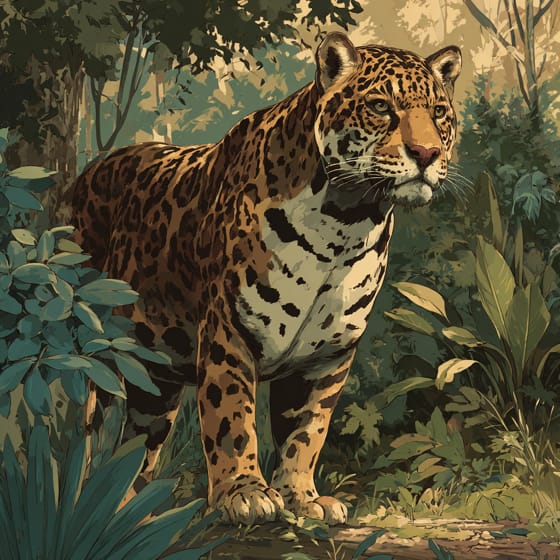
Panthera onca
This large cat sometimes preys on tamarins from the forest floor.
Saguinus fuscicollis
They often forage together, benefiting from more eyes for spotting predators.
Ficus amazonica
Tamarins feed on the sweet fruits of this common rainforest tree.
Peludo describe a los animales que poseen una cubierta densa de pelo o pelaje suave.
Los animales sociales viven en grupos organizados, cooperando para obtener beneficios de supervivencia como la búsqueda de alimento, la defensa y la cría de descendencia.
Este rasgo identifica organismos cuya dieta incluye tanto materia vegetal como animal.
Los animales arborícolas viven principalmente en los árboles, utilizándolos como refugio, alimento y protección contra los depredadores.

Los hábitats boscosos son entornos terrestres dominados por una densa cubierta arbórea, que sustentan una gran diversidad de vida animal y vegetal.

Los animales diurnos están activos principalmente durante el día y suelen descansar o dormir por la noche.

El estado de peligro de extinción indica que una especie corre un riesgo muy alto de extinguirse en estado silvestre en un futuro próximo.
Todavía no hay alias listados.
Peligro
1/5 · Muy bajo
Always watch animals from a distance and never try to touch them in the wild.
23-26 cm
0.3-0.5 kg
10-15 años
25 km/h
These tiny monkeys love to munch on sweet fruits, sticky tree sap, and tasty insects!
Forests
Foraging
1-3
Acércate para separar los grupos y explorar dónde se ha fotografiado este objeto.
Los snaps recientes aparecerán aquí a medida que se añadan nuevas observaciones.




.jpg&width=800)