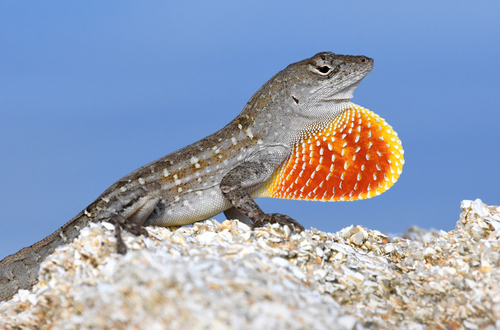
Hairy Hexagonia
hexagonia hydnoides
The Hairy Hexagonia is a fuzzy little creature that loves to explore its forest home. With its soft fur and playful nature, it brings joy to all who encounter it!
Hábitat: Forests and wooded areas
The Hairy Hexagonia is a medium-sized mammal covered in dense, reddish-brown fur with faint, darker hexagonal patterns on its back. It has large, expressive dark eyes and prominent, tufted ears often tipped with black. Its sturdy tail is bushy.
Categoría
MamíferosRareza
Common
Peligro
1/5 · Muy bajo
Snaps
¡Sé la primera persona en hacer un snap!
Baby Hexagonias are called 'hexlings' and are born with tiny, undeveloped patterns.
Its thick fur changes color slightly with the seasons to improve camouflage!
They build intricate burrows with multiple hidden exits to escape predators.
When startled, it can roll into a tight, furry ball to protect its soft belly.
Hairy Hexagonia can scale slippery rocks and tree bark with ease because of its unique, rough paw pads.
Hairy Hexagonia has hexagonal fur patterns that help them blend seamlessly into dappled forest light and rocky terrain.
Hairy Hexagonia can navigate dense undergrowth and find food in the dark because of its extra-long, sensitive whiskers.
An opportunistic eater, it enjoys a varied diet of plants, insects, and small creatures.
Bubo bubo
A primary aerial predator.
Carabus nemoralis
A common insect prey item.
.jpg&width=800)
Rubus idaeus
Provides essential seasonal fruit.
Fagus sylvatica
Offers shelter and fallen nuts.
Peludo describe a los animales que poseen una cubierta densa de pelo o pelaje suave.
Los animales sociales viven en grupos organizados, cooperando para obtener beneficios de supervivencia como la búsqueda de alimento, la defensa y la cría de descendencia.
Este rasgo caracteriza a los organismos cuya dieta consiste total o principalmente en material vegetal.
Los hábitats boscosos son entornos terrestres dominados por una densa cubierta arbórea, que sustentan una gran diversidad de vida animal y vegetal.

Los animales nocturnos están principalmente activos durante la noche, y suelen descansar o dormir durante el día.
Peligro
1/5 · Muy bajo
Always observe from a distance and do not disturb their habitat.
35-55 cm
2.5-4.5 kg
6-10 años
20 km/h
An opportunistic eater, it enjoys a varied diet of plants, insects, and small creatures.
Forests and wooded areas
Foraging
2-4
Acércate para separar los grupos y explorar dónde se ha fotografiado este objeto.
Los snaps recientes aparecerán aquí a medida que se añadan nuevas observaciones.