






Bermuda buttercup
Oxalis pes-caprae
The Bermuda buttercup is a bright yellow flower that blooms in spring. Its leaves are shaped like little hearts, making it a cheerful sight in gardens and fields.
Hábitat: Urban areas
The Bermuda buttercup has bright, trumpet-shaped yellow flowers, often with a hint of orange near the center. Its leaves are clover-like, with three heart-shaped leaflets, giving it a shamrock appearance. This perennial forms dense mats of vibrant green foliage.
Categoría
PlantasRareza
Common
Peligro
1/5 · Muy bajo
Snaps
¡Sé la primera persona en hacer un snap!
At night, its three heart-shaped leaves fold up tightly, like a sleepy little shamrock.
Despite its name, this plant isn't a true buttercup! It's actually a type of sorrel.
People call it 'sour grass' because its leaves taste tangy, like a lemon!
This plant regrows easily! Tiny underground bulblets sprout even if it's pulled.
Bermuda buttercup can grow tiny underground bulblets that help it spread incredibly fast, even without seeds!
Bermuda buttercup flowers face the sun all day long, following its path across the sky to catch more rays.
Bermuda buttercup has deep, branching roots that help it survive in dry, poor soil where other plants struggle.
Apis mellifera
Honey bees visit flowers for nectar and pollen.
Bombus terrestris
Bumblebees are important visitors to its bright flowers.

Helix aspersa
Snails can feed on the leaves, especially young plants.
Las plantas con flores son cualquier planta que produce flores como parte de su ciclo reproductivo.
Las plantas de floración primaveral producen sus flores durante la temporada de primavera, lo que a menudo significa el final del invierno y el comienzo de un nuevo crecimiento.
Las flores fragantes emiten un aroma agradable, a menudo para atraer polinizadores o como defensa.
Las plantas tolerantes a la sequía pueden sobrevivir y florecer en condiciones de escasa disponibilidad de agua.

Las plantas comestibles son aquellas partes de una planta que se consideran seguras para el consumo humano.

Describe plantas que son particularmente atractivas y beneficiosas para una amplia variedad de organismos polinizadores.

Esta característica de hábitat indica especies que pueden coexistir con los humanos en entornos urbanos y suburbanos, utilizando estructuras artificiales y espacios verdes.
Peligro
1/5 · Muy bajo
While the Bermuda buttercup is pretty, it's best to look and not eat it. Always ask an adult before touching plants.
10-30 cm
15-45 cm
2-3 cm
Winter to Spring
No
Leve
Perenne
Insectos
Acércate para separar los grupos y explorar dónde se ha fotografiado este objeto.
Los snaps recientes aparecerán aquí a medida que se añadan nuevas observaciones.
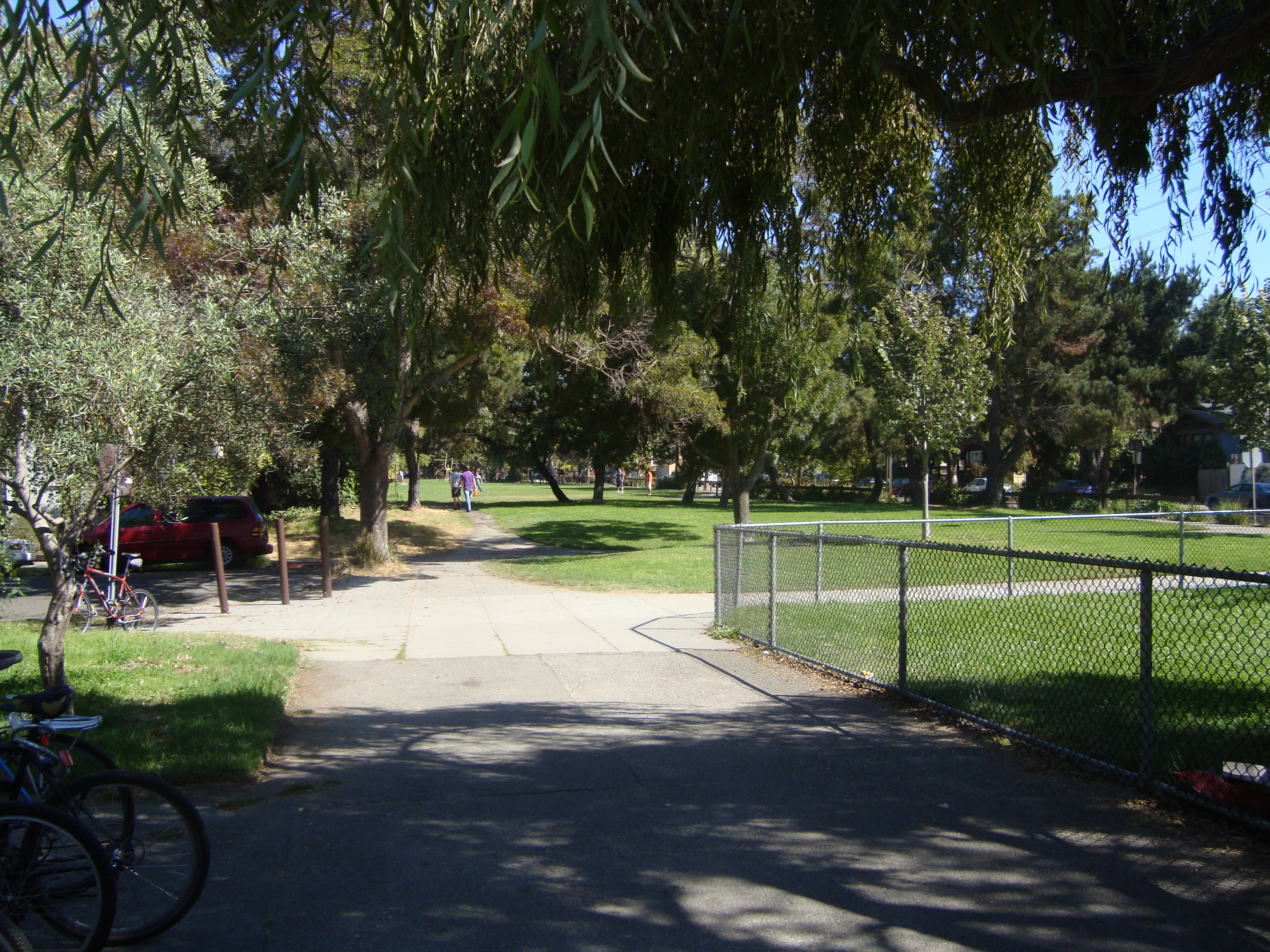
California, US
Puedes ver Abeja, Monarch y Anna's Hummingbird.
Ver guía →

California, US
Puedes ver Fingertips, Lemonade Berry y California Boxthorn.
Ver guía →
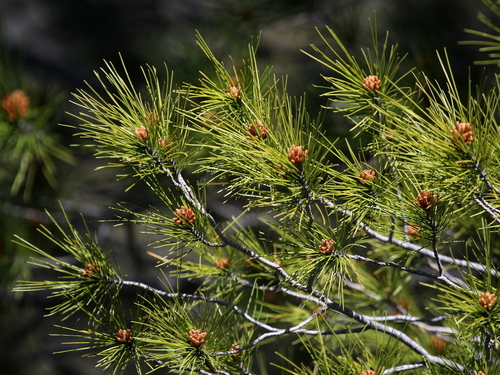
Spain, ES
Puedes ver Aleppo Pine, Mastic y Tree Spurge.
Ver guía →











.jpg&width=800)



