big-head sedge
Carex macrocephala
Big-head sedge is a grass-like plant with big, fluffy flower heads. It grows in clumps and can be found in wet areas, making it a cozy home for tiny creatures.
Hábitat: Wetlands
The big-head sedge has stiff, bright green, grass-like leaves forming dense clumps. Its most distinctive feature is the prominent, rounded, often yellowish-brown flower heads, appearing like fuzzy burrs at the top of short stalks, making it visually distinct from thinner-headed sedges.
Categoría
PlantasRareza
Common
Peligro
1/5 · Muy bajo
Snaps
¡Sé la primera persona en hacer un snap!
Coastal storms barely bother it; its deep roots hold strong in the sand!
It can drink salty ocean water, thanks to its super tough roots!
Its 'big head' is actually a bundle of many tiny, hidden flowers!
This plant is a master builder, trapping sand to make new land!
Big-head sedge can anchor shifting sands with its tough, spreading roots that help it survive strong coastal winds and create stable habitats.
Big-head sedge has specialized tissues that allow it to grow in salty beach environments, helping it survive harsh coastal conditions.
Big-head sedge can spread horizontally with rhizomes, creating dense mats that help it outcompete other plants and stabilize dunes.
Peromyscus maniculatus
Finds refuge from predators within its dense clumps.
Abronia latifolia
Thrives in dunes stabilized by the sedge's extensive root systems.
%2C_Point_Lobos%2C_CA%2C_US_-_May_2013.jpg&width=800)
Larus occidentalis
Coastal gulls may nest or rest within sedge colonies.
Las plantas con flores son cualquier planta que produce flores como parte de su ciclo reproductivo.
Las flores en racimo son inflorescencias donde las flores individuales están dispuestas muy juntas en un tallo común.
Las plantas similares a la hierba son plantas herbáceas que se asemejan visualmente a las verdaderas hierbas, típicamente con hojas largas y estrechas.
Las plantas tolerantes a la sombra están adaptadas para crecer y prosperar en áreas con bajos niveles de luz, requiriendo menos luz solar directa.

Describe plantas que son particularmente atractivas y beneficiosas para una amplia variedad de organismos polinizadores.

Este rasgo de hábitat identifica especies que se encuentran en humedales, que son áreas de tierra saturadas de agua, ya sea permanente o estacionalmente, e incluyen marismas, pantanos y ciénagas.

Describe una especie cuya presencia y papel tienen un efecto desproporcionadamente grande en su entorno.
Todavía no hay alias listados.
Peligro
1/5 · Muy bajo
Always look but don't touch plants without asking an adult first.
10-30 cm
30-60 cm
1-3 cm
Late spring to summer
No
Ninguna
Perenne
Viento
Acércate para separar los grupos y explorar dónde se ha fotografiado este objeto.
Los snaps recientes aparecerán aquí a medida que se añadan nuevas observaciones.
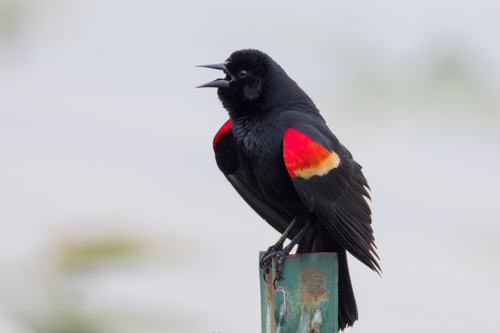
British Columbia, CA
Puedes ver Tordo Sargento, Golondrina Bicolor y Garza Azulada.
Ver guía →
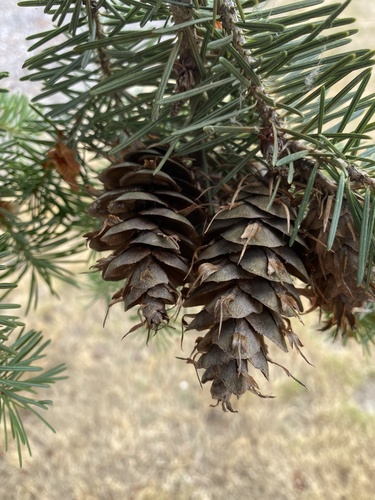
British Columbia, CA
Puedes ver Abeto De Douglas, Pacific Madrone y Tritón De Piel Rugosa.
Ver guía →
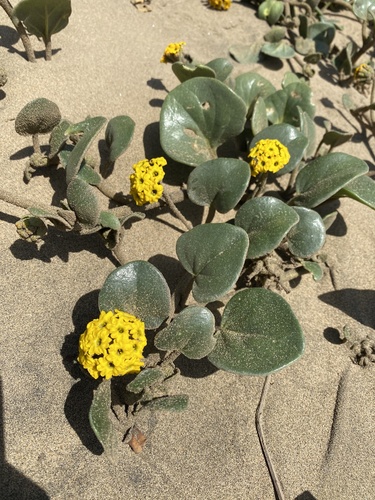
British Columbia, CA
Puedes ver Yellow Sand Verbena, Barestem Biscuitroot y Field Sagewort.
Ver guía →