
.jpg&width=800)





Black-bellied Plover
Pluvialis squatarola
The Black-bellied Plover is a beautiful bird with a black belly and a white chest. It loves to run along the beach and hunt for tasty little crabs and worms in the sand.
Hábitat: Coastal areas
The Black-bellied Plover has a distinctive breeding plumage of a black face, neck, and belly contrasting with a white stripe and mottled grey-black back. Non-breeding birds are duller grey-brown overall, making them blend with coastal sands.
Categoría
AvesRareza
Common
Peligro
1/5 · Muy bajo
Snaps
¡Sé la primera persona en hacer un snap!
Black-bellied Plovers are the largest of North America's plover species.
Their distinct "plee-ooo-eee" call sounds like they're saying their own name!
These plovers can live surprisingly long, often reaching over 20 years old!
They often vibrate their feet on mudflats to make hidden prey pop up!
Black-bellied Plover can breed in the harsh Arctic tundra, adapting to extreme cold conditions.
Black-bellied Plover can hunt by sight, using its "run-stop-peck" strategy to spot small prey.
Black-bellied Plover has special feathers that change from dull gray to striking black and white for breeding.
Black-bellied Plover can migrate thousands of kilometers, flying between Arctic breeding grounds and tropical coasts.
Eats small invertebrates like worms, crabs, and insects found in mud and sand.
Falco peregrinus
Hunts adult plovers during migration.
Vulpes lagopus
Preys on eggs and chicks in Arctic tundra.
Nereis virens
Forages for these common marine worms in mudflats.
Carcinus maenas
Consumes small crabs in coastal estuaries.
Describe a los animales, principalmente aves, que poseen una cubierta de plumas.
Los animales sociales viven en grupos organizados, cooperando para obtener beneficios de supervivencia como la búsqueda de alimento, la defensa y la cría de descendencia.
El camuflaje describe a los organismos que poseen colores o patrones que les permiten mezclarse con su entorno.
Los hábitats costeros son entornos dinámicos situados a lo largo de la interfaz entre la tierra y el mar, influenciados por las mareas, las olas y el agua salada.

Este rasgo identifica a los organismos cuya dieta consiste total o principalmente en tejido animal.

Los animales diurnos están activos principalmente durante el día y suelen descansar o dormir por la noche.

Este rasgo identifica a los organismos que exhiben una rapidez excepcional en sus movimientos para cazar, escapar o desplazarse.

Los animales migratorios emprenden movimientos estacionales de una región a otra, típicamente en respuesta a cambios en el clima o la disponibilidad de alimentos.
Todavía no hay alias listados.
Peligro
1/5 · Muy bajo
Always watch birds from a distance and don't try to touch them.
27-30 cm
71-83 cm
0.17-0.31 kg
15-20 años
90 km/h
Eats small invertebrates like worms, crabs, and insects found in mud and sand.
Coastal areas
Foraging
Acércate para separar los grupos y explorar dónde se ha fotografiado este objeto.
Los snaps recientes aparecerán aquí a medida que se añadan nuevas observaciones.

Florida, US
Puedes ver False Rosemary, Florida Rosemary y Sanderling.
Ver guía →

Florida, US
Puedes ver Willet, Lightning Whelk y Ruddy Turnstone.
Ver guía →
Florida, US
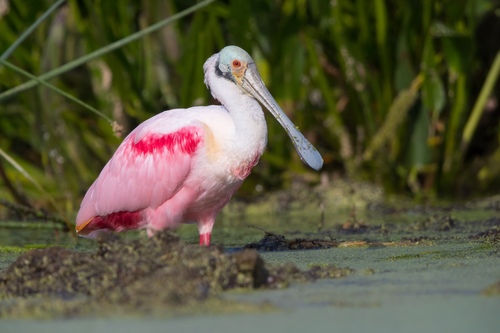
Puedes ver Roseate Spoonbill, Tricolored Heron y Great Egret.
Ver guía →









.jpg&width=800)

.jpg&width=800)
