





Black-billed Magpie
Pica hudsonia
The Black-billed Magpie is a beautiful bird with shiny black and white feathers. They are known for their long tails and love to collect shiny objects, making them very curious and playful!
Hábitat: Grasslands
The Black-billed Magpie has striking iridescent black plumage with a shimmering green and purple sheen, contrasting sharply with large white patches on its belly and wing primaries. Its most distinguishing feature is a very long, graduated black tail, often longer than its body.
Categoría
AvesRareza
Common
Peligro
1/5 · Muy bajo
Snaps
¡Sé la primera persona en hacer un snap!
Magpies are one of the few non-mammals that can recognize themselves in a mirror.
Magpies love shiny objects and are known to collect them, often hiding them in their nests.
These birds use mud to build huge dome-shaped nests, often reinforced with sticks and thorns!
They sometimes 'play dead' to trick predators into thinking they aren't worth chasing!
The Black-billed Magpie can mimic a wide range of sounds, including human speech, which helps them communicate with their flock.
Black-billed Magpies have excellent memory to store food in many secret caches, ensuring they have snacks for later.
Black-billed Magpies have sharp eyesight and intelligence to recognize individual human faces, helping them identify friends or foes.
These clever birds eat almost anything, from insects to seeds and even leftover food!
Bubo virginianus
Adult magpies and their young can be prey for these large owls.
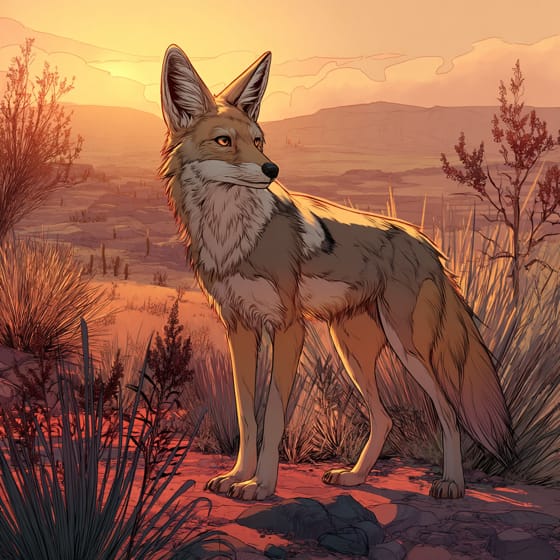
Canis latrans
Coyotes may prey on magpies, especially when they are on the ground.
Odocoileus virginianus
Magpies often scavenge on carrion from deer, especially during winter.
Locusta migratoria
Magpies consume many insects like locusts, helping control pest populations.
Describe a los animales, principalmente aves, que poseen una cubierta de plumas.
Los animales sociales viven en grupos organizados, cooperando para obtener beneficios de supervivencia como la búsqueda de alimento, la defensa y la cría de descendencia.
Los carroñeros consumen materia orgánica muerta, ayudando a descomponer los cadáveres y otros desechos en el ecosistema.
Este rasgo identifica organismos cuya dieta incluye tanto materia vegetal como animal.

Los hábitats de pastizales son biomas terrestres dominados por pastos y plantas herbáceas, que sustentan a una variedad de animales de pastoreo.

Esta característica describe a los organismos que manipulan objetos externos para lograr un objetivo específico.

Los animales diurnos están activos principalmente durante el día y suelen descansar o dormir por la noche.
Todavía no hay alias listados.
Peligro
1/5 · Muy bajo
Watch from a distance and don't try to touch or chase them.
45-60 cm
56-61 cm
0.16-0.25 kg
7-10 años
50 km/h
These clever birds eat almost anything, from insects to seeds and even leftover food!
Grasslands
Foraging
Acércate para separar los grupos y explorar dónde se ha fotografiado este objeto.
Los snaps recientes aparecerán aquí a medida que se añadan nuevas observaciones.

Alaska, US
Puedes ver Zorro Rojo, Glotón y Lobo Gris.
Ver guía →
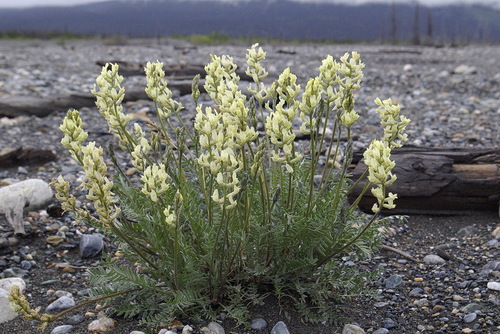
British Columbia, CA
Puedes ver Field Locoweed, Silky Lupine y Wax Currant.
Ver guía →

Wyoming, US
Puedes ver Perrito De Las Praderas y Bur Oak.
Ver guía →














