black cottonwood
Populus trichocarpa
The black cottonwood is a tall tree with fluffy, white seeds that float in the air like little clouds. It loves to grow near rivers and wetlands, providing shade and homes for many animals.
Hábitat: Wetlands
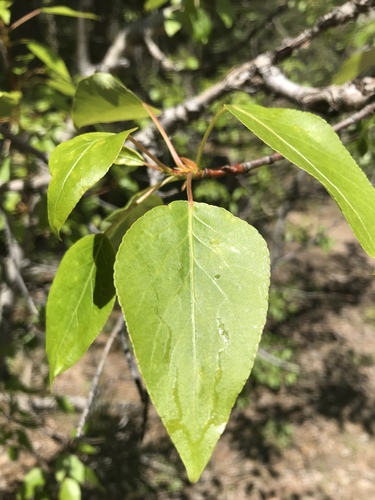
The black cottonwood is a very tall tree with a straight trunk, often covered in dark, deeply furrowed bark. Its large, glossy green leaves are heart-shaped with silvery undersides, and in spring, it produces fluffy "cotton" seeds.
Categoría
PlantasRareza
Common
Peligro
1/5 · Muy bajo
Snaps
¡Sé la primera persona en hacer un snap!
Its dark, furrowed bark is a tell-tale sign of an old, wise tree!
Native American tribes used its inner bark and buds for food and medicine!
Some people call it a "pioneer tree" because it grows fast in new places!
Wow, its sticky buds smell like a spicy, sweet balsam!
Black cottonwood can grow incredibly fast, helping it reach sunlight and outcompete other plants for space.
Black cottonwood has sticky, resinous buds that protect its tender new leaves from hungry insects and disease.
Black cottonwood produces tiny, cotton-covered seeds that catch the wind, helping them spread far and wide.
Castor canadensis
Beavers cut down its trees for food and dam construction.
Odocoileus hemionus
Mule deer browse on its young twigs and tender foliage.

Pemphigus populitransversus
Aphids create galls on leaf stems, feeding on the tree's sap.
Bubo virginianus
Great Horned Owls often build nests in its tall, sturdy branches.
Las plantas caducifolias pierden periódicamente todas sus hojas, por lo general durante el otoño o las estaciones secas.
Las plantas con flores son cualquier planta que produce flores como parte de su ciclo reproductivo.
Las plantas tolerantes a la sombra están adaptadas para crecer y prosperar en áreas con bajos niveles de luz, requiriendo menos luz solar directa.
Los árboles de hoja ancha son angiospermas caracterizadas por hojas planas y anchas que típicamente se caen anualmente en climas templados.

Las plantas de crecimiento rápido exhiben tasas de crecimiento aceleradas, aumentando rápidamente de tamaño y biomasa en un corto período de tiempo.

Describe plantas que son particularmente atractivas y beneficiosas para una amplia variedad de organismos polinizadores.

Se refiere a la madera que ha sido preparada para su uso en la construcción y la carpintería.

Este rasgo de hábitat identifica especies que se encuentran en humedales, que son áreas de tierra saturadas de agua, ya sea permanente o estacionalmente, e incluyen marismas, pantanos y ciénagas.

Describe una especie cuya presencia y papel tienen un efecto desproporcionadamente grande en su entorno.
Todavía no hay alias listados.
Peligro
1/5 · Muy bajo
Stay away from the tree's branches and watch out for falling seeds when they are blowing in the wind.
3000-6000 cm
1000-2000 cm
5-20 cm
Primavera
Sí
Ninguna
Perenne
Viento
Acércate para separar los grupos y explorar dónde se ha fotografiado este objeto.
Los snaps recientes aparecerán aquí a medida que se añadan nuevas observaciones.

British Columbia, CA
Puedes ver Yellow-Bellied Marmot, Rubber Rabbitbrush y Siberian Elm.
Ver guía →
British Columbia, CA
Puedes ver Black Cottonwood, Oregon Grape y Showy Milkweed.
Ver guía →

British Columbia, CA
Puedes ver Oregon Grape, Common Snowberry y Black Locust.
Ver guía →

British Columbia, CA
Puedes ver Brown Elfin, Bearberry y Black Cottonwood.
Ver guía →
.jpg)
British Columbia, CA
Puedes ver Oregon Grape, Heartleaf Arnica y Solomon's Plume.
Ver guía →