






black mangrove
Avicennia germinans
The black mangrove is a special tree that grows in muddy coastal areas. It has unique roots that stick up out of the ground to help it breathe and stay strong in the water.
Hábitat: Coastal areas
The black mangrove has distinctive dark, fissured bark and leathery, oval leaves that are shiny green above and silvery-white below. Its small, four-petaled flowers are creamy white, clustered at branch tips, offering a subtle contrast to the dark foliage.
Categoría
PlantasRareza
Common
Peligro
1/5 · Muy bajo
Snaps
¡Sé la primera persona en hacer un snap!
Fallen black mangrove leaves feed tiny creatures at the bottom of the food web!
Indigenous peoples traditionally used parts of this tree for medicine and even dyes!
Its bark is so dark it gives the tree its common name, making it easy to spot!
This amazing tree creates new land by trapping sediment with its dense root system!
Black mangrove can remove excess salt through glands on its leaves, making them appear silvery, helping it thrive in saltwater.
Black mangrove has specialized, pencil-like root projections called pneumatophores that help its roots get oxygen in waterlogged soil.
Black mangrove can germinate its seeds while still attached to the tree, allowing seedlings to quickly establish in soft mud.
Apis mellifera
Bees gather nectar and pollen from its flowers.
Aratus pisonii
This crab climbs the tree to graze on its leaves.
Uca pugnax
Crabs find shelter and food among its roots and leaf litter.

Egretta thula
Birds nest and roost within its dense canopy and branches.
Las plantas con flores son cualquier planta que produce flores como parte de su ciclo reproductivo.
Las plantas de hoja perenne conservan su follaje durante todo el año, sin perder nunca todas sus hojas a la vez.
Las plantas tolerantes a la sal pueden resistir y crecer en condiciones con niveles elevados de salinidad en el suelo o el agua.
Los árboles de hoja ancha son angiospermas caracterizadas por hojas planas y anchas que típicamente se caen anualmente en climas templados.

Describe plantas que son particularmente atractivas y beneficiosas para una amplia variedad de organismos polinizadores.

Este rasgo indica que los organismos pertenecen a un grupo evolutivo muy antiguo con antepasados que se remontan a millones de años.

Este rasgo caracteriza a los organismos con una esperanza de vida excepcionalmente larga en comparación con otros de su especie.

Los hábitats costeros son entornos dinámicos situados a lo largo de la interfaz entre la tierra y el mar, influenciados por las mareas, las olas y el agua salada.

Describe una especie cuya presencia y papel tienen un efecto desproporcionadamente grande en su entorno.
Todavía no hay alias listados.
Peligro
1/5 · Muy bajo
Stay on paths and be careful near water when exploring mangroves.
500-1000 cm
300-800 cm
0.5-1 cm
Primavera a verano
No
Ninguna
Perenne
Insectos
Acércate para separar los grupos y explorar dónde se ha fotografiado este objeto.
Los snaps recientes aparecerán aquí a medida que se añadan nuevas observaciones.
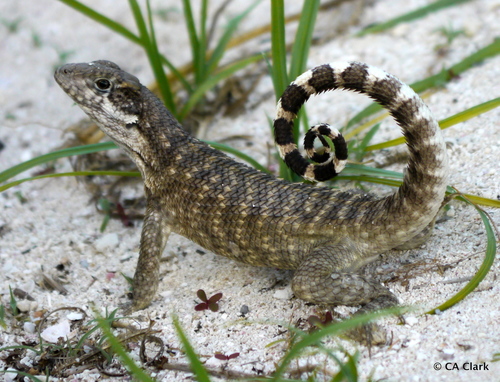
Florida, US
Puedes ver Northern Curly-Tailed Lizard, Iguana Verde y Triangle Cactus.
Ver guía →
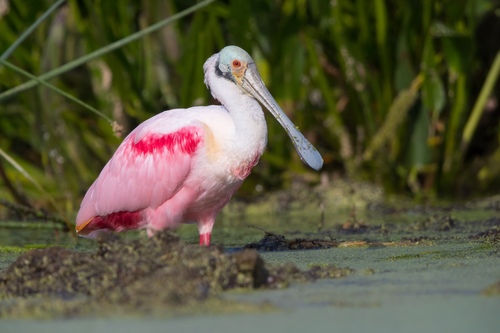
Florida, US
Puedes ver Roseate Spoonbill, Tricolored Heron y Great Egret.
Ver guía →

Florida, US
Puedes ver Firewheel, Black Mangrove y Yaupon Holly.
Ver guía →















