






Snowy Egret
Egretta thula
The Snowy Egret is a beautiful white bird with long legs and a slender neck. It loves to hunt for fish and can often be seen wading in shallow waters.
Hábitat: Wetlands
The Snowy Egret has stunning pure white plumage with a slender black bill and long, black legs. Its most distinctive feature is its bright yellow feet, which contrast sharply with its dark legs and body. During breeding season, it grows delicate, lacy plumes on its head, neck, and back.
Categoría
AvesRareza
Common
Peligro
1/5 · Muy bajo
Snaps
¡Sé la primera persona en hacer un snap!
A group of egrets is called a 'congregation' or a 'colony' when nesting together!
Snowy Egrets build their messy stick nests high in trees or shrubs, often with other wading birds!
Wow! These birds were nearly hunted to extinction for their beautiful feathers in the 19th century!
Young Snowy Egrets are born helpless and need their parents to bring them food.
Snowy Egret can stir its bright yellow feet in shallow water to flush out hidden fish and other prey for an easier catch.
Snowy Egret can rapidly extend its neck and jab its sharp bill at unsuspecting aquatic prey with incredible speed and accuracy.
Snowy Egret has specialized plumes that become extra fluffy during courtship, helping attract mates with a grand display.
Snowy Egrets are expert fishers, but they also eat many other small creatures found in the water.

Gambusia holbrooki
A small fish frequently caught in shallow waters.
Alligator mississippiensis
Opportunistically preys on egret eggs, chicks, or even adults.
Ardea herodias
Often nests in mixed colonies, sharing resources and protection.
Quercus virginiana
Builds nests in the branches of these sturdy coastal trees.
Describe a los animales, principalmente aves, que poseen una cubierta de plumas.
Se caracteriza por tener los dedos conectados por una membrana, lo que generalmente ayuda a nadar.
Los animales solitarios viven solos durante la mayor parte de su vida y solo interactúan con otros para aparearse o cuidar de sus crías.
Los organismos piscívoros son animales que subsisten principalmente de una dieta a base de peces.

Este rasgo de hábitat identifica especies que se encuentran en humedales, que son áreas de tierra saturadas de agua, ya sea permanente o estacionalmente, e incluyen marismas, pantanos y ciénagas.

Este rasgo identifica a los organismos cuya dieta consiste total o principalmente en tejido animal.

Los animales diurnos están activos principalmente durante el día y suelen descansar o dormir por la noche.

El estado de peligro de extinción indica que una especie corre un riesgo muy alto de extinguirse en estado silvestre en un futuro próximo.
Todavía no hay alias listados.
Peligro
1/5 · Muy bajo
Always watch birds from a distance and do not try to touch them.
56-66 cm
100-107 cm
0.35-0.45 kg
5-10 años
42 km/h
Snowy Egrets are expert fishers, but they also eat many other small creatures found in the water.
Wetlands
Foraging
Acércate para separar los grupos y explorar dónde se ha fotografiado este objeto.
Los snaps recientes aparecerán aquí a medida que se añadan nuevas observaciones.
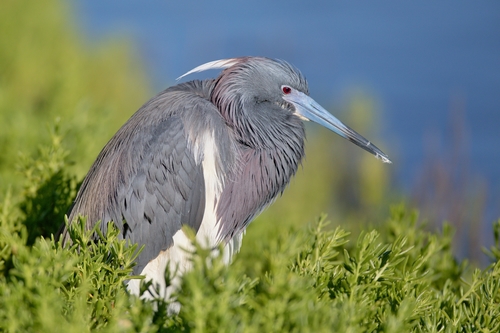
Florida, US
Puedes ver Tricolored Heron, Roseate Spoonbill y Wood Stork.
Ver guía →
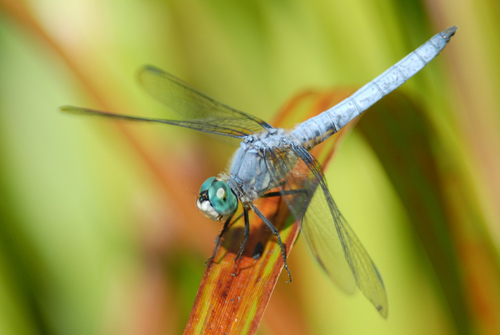
New Jersey, US
Puedes ver Libélula Azul, Eastern Pondhawk y Laughing Gull.
Ver guía →
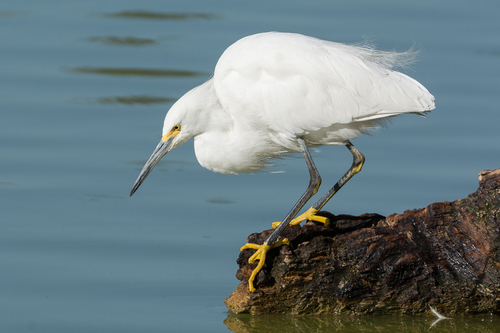
Florida, US
Puedes ver Snowy Egret, Pelícano Pardo y Boat-Tailed Grackle.
Ver guía →
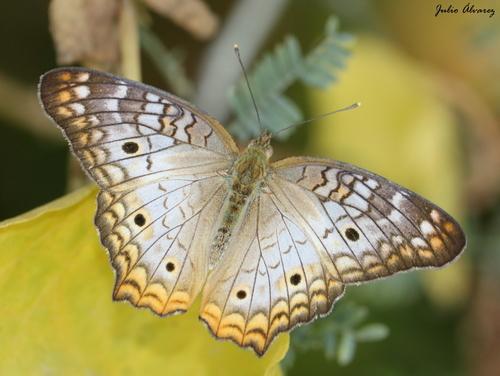
Florida, US
Puedes ver White Peacock, Trailing Daisy y Garza Azulada.
Ver guía →
_end_July_2012.jpg)
Massachusetts, US
Puedes ver Great Egret, Eastern Redcedar y águila Pescadora.
Ver guía →

New York, US
Puedes ver Spotted Lanternfly, Ardilla Gris Oriental y Red Deadnettle.
Ver guía →







_female.jpg&width=800)





.jpg&width=800)
