

Black Rat
Rattus rattus
The Black Rat is a small, clever rodent with a long tail and big ears. They are often found in homes and gardens, where they look for food and shelter.
Hábitat: Urban areas
The Black Rat is a sleek, medium-sized rodent with large ears, a pointed snout, and a very long, hairless tail usually longer than its body. It typically has black or dark brown fur on its back and a lighter belly, making it distinct from the larger, stockier Norway rat.
Categoría
MamíferosRareza
Common
Peligro
2/5 · Bajo
Snaps
¡Sé la primera persona en hacer un snap!
Black rats are thought to have spread the Black Death across Europe centuries ago!
Black rats can jump impressively far, sometimes over three feet high!
Female black rats can have up to 5 litters in just one year, making many babies!
They constantly gnaw on things to keep their teeth from growing too long!
Black Rat can climb incredibly well because of their strong claws and agile bodies, helping them reach high places.
Black Rat has a long, flexible tail that helps them balance like a tightrope walker, preventing falls from high perches.
Black Rat can sense changes in air currents and vibrations using their whiskers, helping them navigate perfectly in total darkness.
Black Rat has incredible hearing that lets them detect ultrasonic sounds, helping them find food and avoid predators.
They are omnivores, eating almost anything from grains and fruits to insects and even small animals.
Tyto alba
A significant nocturnal predator.
Felis catus
Frequently hunts rats in urban and rural settings.

Pantherophis obsoletus
A common snake predator of rodents.
Triticum aestivum
Black rats consume wheat grains from fields and storage.
Prunus domestica
Black rats consume plum fruits as part of their varied diet.
Peludo describe a los animales que poseen una cubierta densa de pelo o pelaje suave.
Los animales sociales viven en grupos organizados, cooperando para obtener beneficios de supervivencia como la búsqueda de alimento, la defensa y la cría de descendencia.
Los carroñeros consumen materia orgánica muerta, ayudando a descomponer los cadáveres y otros desechos en el ecosistema.
Este rasgo identifica organismos cuya dieta incluye tanto materia vegetal como animal.

Esta característica de hábitat indica especies que pueden coexistir con los humanos en entornos urbanos y suburbanos, utilizando estructuras artificiales y espacios verdes.

Las especies invasoras son organismos no nativos que causan daños al medio ambiente, la economía o la salud humana.

Los animales nocturnos están principalmente activos durante la noche, y suelen descansar o dormir durante el día.
Peligro
2/5 · Bajo
Don't touch or chase wild rats; it's best to watch them from a distance.
13-18 cm
0.075-0.2 kg
1-3 años
12 km/h
They are omnivores, eating almost anything from grains and fruits to insects and even small animals.
Urban areas
Foraging
5-10
Acércate para separar los grupos y explorar dónde se ha fotografiado este objeto.
Los snaps recientes aparecerán aquí a medida que se añadan nuevas observaciones.
Florida, US
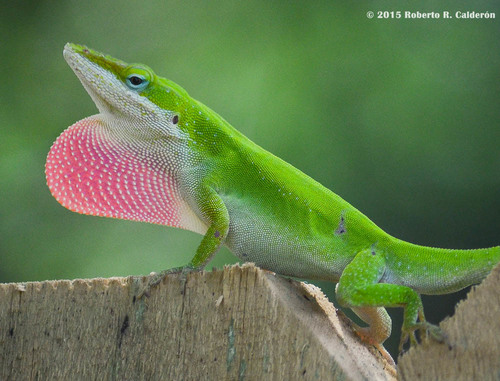
Puedes ver Anolis Verde, Common Gallinule y White Beggarticks.
Ver guía →

British Columbia, CA
Puedes ver Abeto De Douglas, Oregon Oak y Purple Foxglove.
Ver guía →
Florida, US
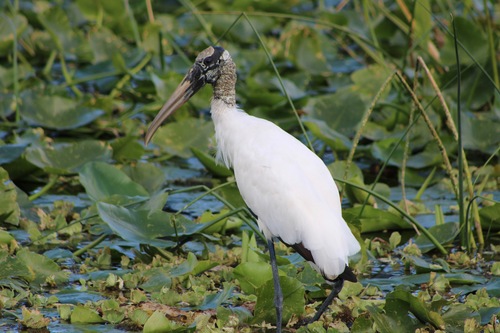
Puedes ver Wood Stork, Anolis Castaño y Taro.
Ver guía →
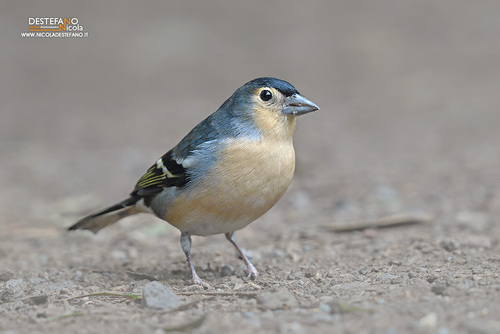
Spain, ES
Puedes ver Canary Islands Chaffinch y Sonchus Hierrensis.
Ver guía →
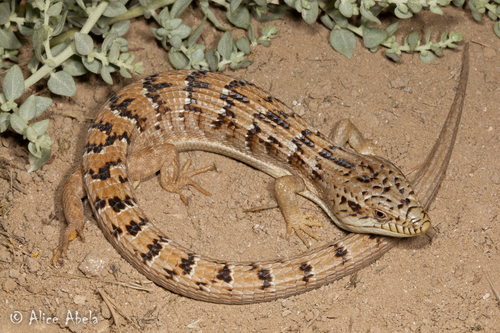
California, US
Puedes ver Southern Alligator Lizard, Grasses y Catchweed Bedstraw.
Ver guía →