Black Slug
Arion ater
The Black Slug is a soft, slimy creature that loves to munch on leaves and plants. They are often found in gardens and damp places, helping to break down dead plants.
Hábitat: Urban areas, Gardens
The Black Slug is a large, shiny gastropod mollusk, typically entirely jet-black, though sometimes dark brown or even reddish-orange. It has a wrinkled body, two pairs of retractable tentacles on its head, and a saddle-like mantle towards the front.
Categoría
InvertebrateRareza
Common
Peligro
1/5 · Muy bajo
Snaps
¡Sé la primera persona en hacer un snap!
Black slugs are hermaphrodites, meaning each slug has both male and female parts!
Did you know slugs have thousands of tiny teeth on a ribbon-like tongue called a radula?
Their slime changes thickness, becoming extra sticky to warn predators or signal danger!
When threatened, they can roll into a ball like a tiny armadillo to protect themselves!
Black Slugs produce thick, sticky mucus that helps them glide across surfaces and deters predators by being unpleasant to eat.
Black Slugs breathe through a special hole called a pneumostome, located on their right side, that helps them take in air.
Black Slugs have shorter front tentacles that can taste and smell their surroundings, helping them find food and navigate.
Black Slugs can flatten their bodies and fit through tiny gaps, allowing them to hide from danger or find new food sources.
Black slugs are nature's recyclers, munching on decaying plants and fungi to keep ecosystems clean!
Erinaceus europaeus
Hedgehogs are common predators of slugs in gardens.
Turdus merula
Blackbirds often feed on slugs, especially smaller ones.

Carabus violaceus
Some ground beetles hunt and eat slugs and their eggs.
Quercus robur
Black slugs decompose fallen leaves from trees like oaks.
Los animales solitarios viven solos durante la mayor parte de su vida y solo interactúan con otros para aparearse o cuidar de sus crías.
Este rasgo caracteriza a los organismos cuya dieta consiste total o principalmente en material vegetal.
Describe a los organismos que descomponen la materia orgánica muerta, reciclando los nutrientes de vuelta al ecosistema.
Esta característica de hábitat indica especies que pueden coexistir con los humanos en entornos urbanos y suburbanos, utilizando estructuras artificiales y espacios verdes.

Los animales nocturnos están principalmente activos durante la noche, y suelen descansar o dormir durante el día.
Todavía no hay alias listados.
Peligro
1/5 · Muy bajo
Don't touch slugs with bare hands, as their slime can be slippery.
100-150 mm
365-730 días
Black slugs are nature's recyclers, munching on decaying plants and fungi to keep ecosystems clean!
Urban areas, Gardens
Foraging
0
Acércate para separar los grupos y explorar dónde se ha fotografiado este objeto.
Los snaps recientes aparecerán aquí a medida que se añadan nuevas observaciones.
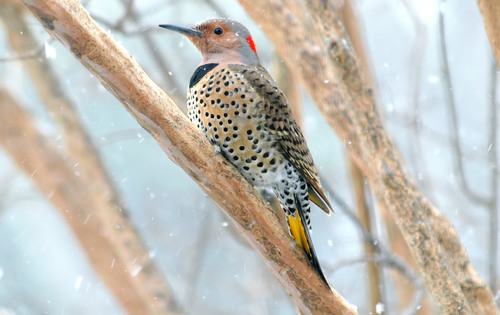
British Columbia, CA
Puedes ver Carpintero Norteño, Pavo Real Común y Red-Breasted Sapsucker.
Ver guía →
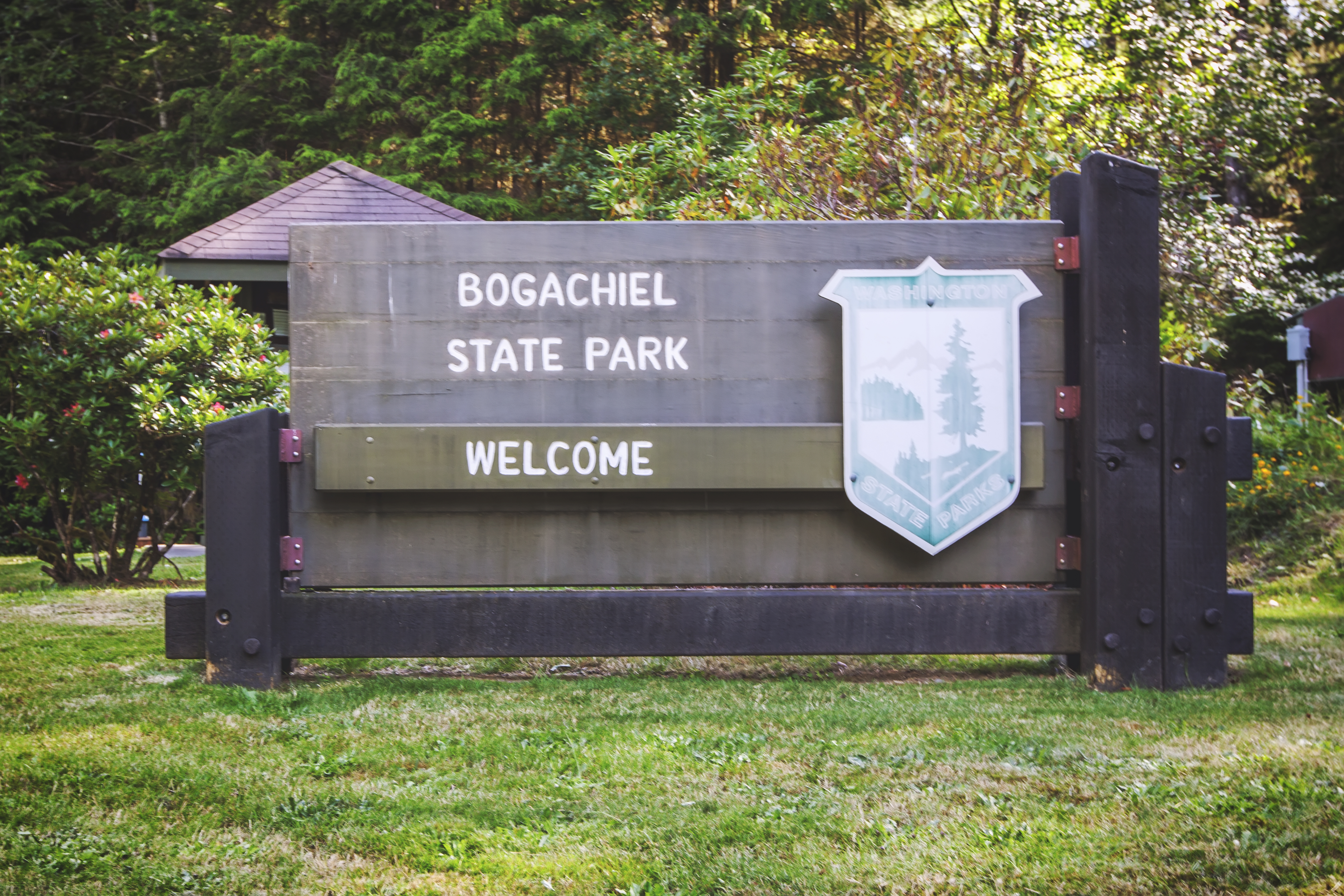
Washington, US
Puedes ver Babosa Banana, Black Slug y Salmonberry.
Ver guía →

Washington, US
Puedes ver Ghost Pipe, Red Huckleberry y Purple Foxglove.
Ver guía →