Texas Brown Tarantula
aphonopelma hentzi
The Texas Brown Tarantula is a large spider that loves to burrow in the ground. These hairy creatures are fascinating to watch as they move around their habitats at night!
Hábitat: Grasslands, forests, and burrows in Texas
The Texas Brown Tarantula is a large, hairy arachnid, typically dark brown to black. Its stout body and legs are covered in fine, velvety hairs, giving it a fuzzy appearance distinct from smoother spiders.
Categoría
InvertebrateRareza
Common
Peligro
1/5 · Muy bajo
Snaps
¡Sé la primera persona en hacer un snap!
A Texas Brown Tarantula cleans itself like a cat, carefully grooming its legs and fangs.
Despite its name, its color can range from dark brown to black, and even reddish.
They taste their food with tiny sensory organs located on their pedipalps, not just their mouths.
This tarantula often lives in an underground burrow, sometimes for many decades!
Texas Brown Tarantula has barbed hairs on its abdomen that helps them defend against predators by irritating skin or eyes.
Texas Brown Tarantula can produce silk to line its burrow, wrap prey, and create egg sacs that helps protect its young.
Texas Brown Tarantula can regrow lost legs through molting because this ability helps them recover from injuries.
This fuzzy hunter loves to munch on crunchy insects and sometimes even tiny vertebrates!
Pepsis formosa
Wasps paralyze tarantulas to lay eggs on them.
Gryllus assimilis
A common insect often caught and eaten by the tarantula.
Athene cunicularia
Sometimes preys on wandering tarantulas, especially males.
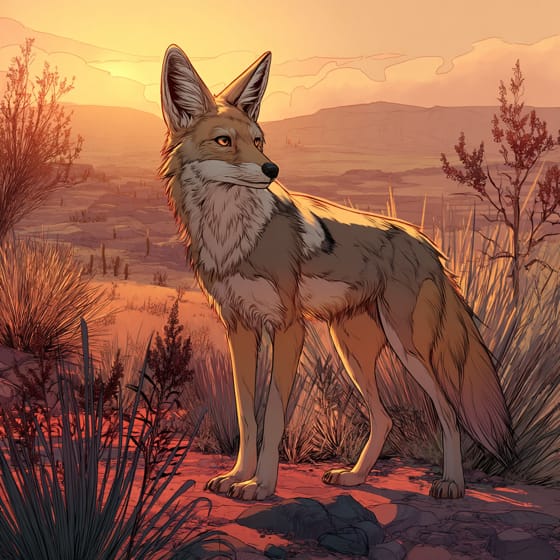
Canis latrans
Mammals can sometimes dig up and eat tarantulas from their burrows.
Los animales solitarios viven solos durante la mayor parte de su vida y solo interactúan con otros para aparearse o cuidar de sus crías.
Los animales excavadores cavan túneles y cámaras en el suelo y utilizan estas estructuras subterráneas para refugiarse, cazar o reproducirse.
Este rasgo identifica a los organismos cuya dieta consiste total o principalmente en tejido animal.
Los animales nocturnos están principalmente activos durante la noche, y suelen descansar o dormir durante el día.

Los organismos venenosos producen toxinas que se inyectan en otro animal, generalmente a través de una mordedura o picadura.
Peligro
1/5 · Muy bajo
Always observe from a distance and do not try to touch wild tarantulas.
15 cm
40 g
25 años
This fuzzy hunter loves to munch on crunchy insects and sometimes even tiny vertebrates!
Grasslands, forests, and burrows in Texas
Ambush
750
Acércate para separar los grupos y explorar dónde se ha fotografiado este objeto.
Los snaps recientes aparecerán aquí a medida que se añadan nuevas observaciones.

Louisiana, US
Puedes ver Perezoso De Dos Dedos De Linneo y Serpiente Del Maíz.
Ver guía →

Oklahoma, US
Puedes ver Three-Toed Box Turtle, Blackjack Oak y American Persimmon.
Ver guía →

Louisiana, US
Puedes ver Ringed Teal, Kirk's Dik-Dik y Chinchilla Lanigera.
Ver guía →




.jpg&width=800)