

Black Tupelo
Nyssa sylvatica
The Black Tupelo is a beautiful tree that grows tall and has shiny green leaves. In the fall, its leaves turn bright red and orange, making it look like it's wearing a colorful coat!
Hábitat: Forests
The Black Tupelo is a stately tree with deeply furrowed, dark gray bark that resembles alligator skin on older trees. Its oval leaves turn spectacular shades of fiery red, orange, and purple in autumn, contrasting with its small, blue-black, berry-like fruits.
Categoría
PlantasRareza
Common
Peligro
1/5 · Muy bajo
Snaps
¡Sé la primera persona en hacer un snap!
Bees love its flowers so much they make a delicious, spicy honey from its nectar!
Its wood is super tough because the grains twist and interlock, making it really hard to split!
Old Black Tupelo trees can grow to be over 100 feet tall, reaching for the sky!
Sometimes it's called the 'Sour Gum' tree because its tart, dark blue fruits look like berries!
Black Tupelo can thrive in soggy soils and even standing water, letting it grow where many other trees cannot survive.
Its leaves turn brilliant shades of red, orange, and purple in autumn, creating one of nature's most stunning displays.
Black Tupelo has tiny flowers that produce lots of nectar, attracting busy bees and other helpful pollinating insects.
Apis mellifera
Collects nectar for honey
Turdus migratorius
Feasts on its dark blue fruits
Procyon lotor
Enjoys the ripe, tart fruit
Sciurus carolinensis
Finds homes in its sturdy branches
Las plantas caducifolias pierden periódicamente todas sus hojas, por lo general durante el otoño o las estaciones secas.
Las plantas frutales producen frutos, que son los ovarios maduros de las plantas con flores que contienen semillas.
Los árboles de hoja ancha son angiospermas caracterizadas por hojas planas y anchas que típicamente se caen anualmente en climas templados.
Un árbol frutal es un árbol perenne que produce frutos comestibles para humanos o animales.

Los colores otoñales se refieren al cambio estacional en la pigmentación del follaje, principalmente en plantas de hoja caduca, mostrando tonos vibrantes.

Colorido describe a organismos u objetos que exhiben una amplia variedad de colores brillantes y distintivos.

Se refiere a la madera que ha sido preparada para su uso en la construcción y la carpintería.

Los hábitats boscosos son entornos terrestres dominados por una densa cubierta arbórea, que sustentan una gran diversidad de vida animal y vegetal.

Este rasgo caracteriza a los organismos con una esperanza de vida excepcionalmente larga en comparación con otros de su especie.
Todavía no hay alias listados.
Peligro
1/5 · Muy bajo
Be careful not to climb too high in trees, and always ask an adult for help.
1500-3000 cm
900-1500 cm
0.3-0.8 cm
Late spring to early summer
Sí
Ninguna
Perenne
Insectos
Acércate para separar los grupos y explorar dónde se ha fotografiado este objeto.
Los snaps recientes aparecerán aquí a medida que se añadan nuevas observaciones.
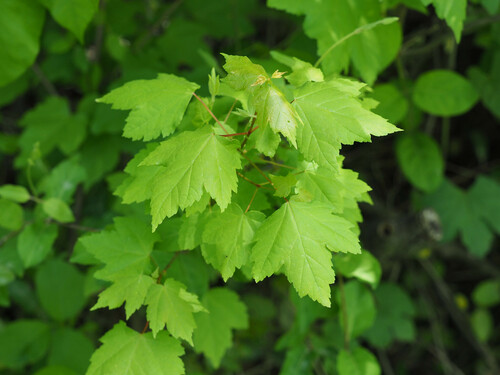
New York, US
Puedes ver Arce Rojo, Black Tupelo y Sensitive Fern.
Ver guía →
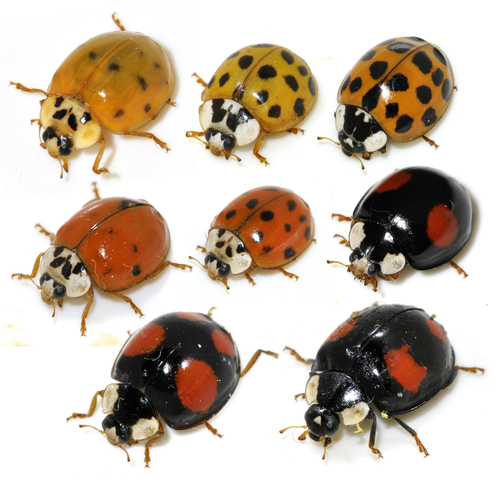
Virginia, US
Puedes ver Mariquita Asiática, Monarch y Oriental Bittersweet.
Ver guía →
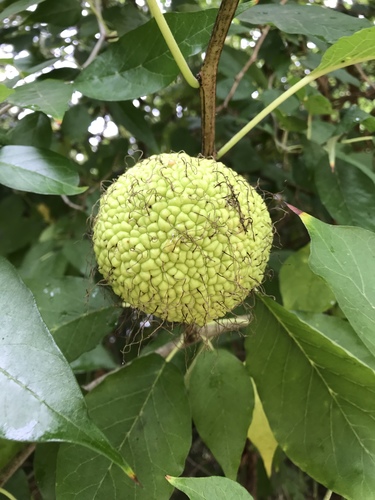
Virginia, US
Puedes ver Osage-Orange, Willow Oak y Cornejo De Kousa.
Ver guía →
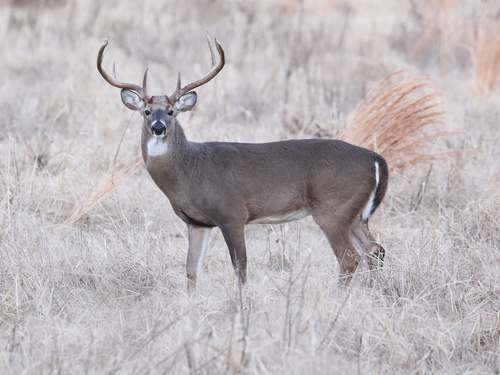
Maryland, US
Puedes ver Ciervo De Cola Blanca, Oriental Bittersweet y Multiflora Rose.
Ver guía →

Maryland, US
Puedes ver Large Whorled Pogonia, Pink Lady's Slipper y Castaño Americano.
Ver guía →

District of Columbia, US
Puedes ver Ardilla Gris Oriental, Gorrión Común y Petirrojo Americano.
Ver guía →