Blackbead
Pithecellobium keyense
The Blackbead is a beautiful plant with shiny black seeds that look like beads! It grows in warm places and is loved by many animals for its tasty seeds.
Hábitat: Tropical forests
The Blackbead is a small to medium-sized tree with dark green, bipinnately compound leaves. It produces clusters of fluffy white, brush-like flowers. Its most distinctive feature is its twisted, reddish-brown pods containing shiny, hard black seeds, which resemble tiny beads.
Categoría
PlantasRareza
Common
Peligro
1/5 · Muy bajo
Snaps
¡Sé la primera persona en hacer un snap!
Ancient peoples once collected its incredibly shiny, hard black seeds to make beautiful jewelry!
Its scientific name means 'monkey's earring' because of its wonderfully coiled seed pods!
The Blackbead's tiny white flowers look just like mini bottle brushes!
This tough tree helps other plants grow by enriching soil with nutrients from the air!
Blackbead has special root nodules that host tiny bacteria, allowing it to pull nitrogen from the air and enrich the soil around it.
Blackbead can survive long dry spells thanks to its deep roots and small leaves that efficiently conserve precious water.
Blackbead produces sweet, edible pulp around its seeds, enticing animals to eat them and help spread its offspring.
Apis mellifera
Visits flowers for nectar and pollen
Procyon lotor
Consumes the sweet pulp and seeds
Cardinalis cardinalis
Feeds on the seeds from the pods
Anolis carolinensis
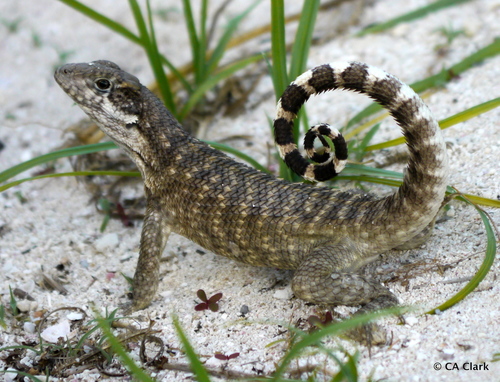
Uses branches and leaves for cover
Rhizobium leguminosarum
Lives in roots, helps tree grow
Las plantas con flores son cualquier planta que produce flores como parte de su ciclo reproductivo.
Las plantas tolerantes a la sombra están adaptadas para crecer y prosperar en áreas con bajos niveles de luz, requiriendo menos luz solar directa.
Las plantas de hoja perenne conservan su follaje durante todo el año, sin perder nunca todas sus hojas a la vez.
Las plantas frutales producen frutos, que son los ovarios maduros de las plantas con flores que contienen semillas.

Los árboles de hoja ancha son angiospermas caracterizadas por hojas planas y anchas que típicamente se caen anualmente en climas templados.

Las plantas comestibles son aquellas partes de una planta que se consideran seguras para el consumo humano.

Describe plantas que son particularmente atractivas y beneficiosas para una amplia variedad de organismos polinizadores.
Todavía no hay alias listados.
Peligro
1/5 · Muy bajo
Always look but don't touch plants without asking an adult first.
500-1000 cm
300-600 cm
1-2.5 cm
Late spring to summer
Sí
Ninguna
Perenne
Insectos
Acércate para separar los grupos y explorar dónde se ha fotografiado este objeto.
Los snaps recientes aparecerán aquí a medida que se añadan nuevas observaciones.