






Blue-fronted Dancer
Argia apicalis
The Blue-fronted Dancer is a beautiful dragonfly with bright blue colors. It loves to flutter around near water, showing off its lovely wings as it dances in the air.
Hábitat: Wetlands
The Blue-fronted Dancer is a slender damselfly, predominantly black with striking bright blue markings on its head and the front of its thorax. Its wings are clear and transparent, and it has large, widely spaced eyes, characteristic of damselflies.
Categoría
InsectosRareza
Common
Peligro
1/5 · Muy bajo
Snaps
¡Sé la primera persona en hacer un snap!
Damselflies fold their wings back over their body when resting, unlike dragonflies!
The males often "dance" over water to find a mate, inspiring their name!
Their babies live underwater for months, breathing through gills in their tails!
They spend most of their life as aquatic hunters before growing wings!
Blue-fronted Dancer can dart and hover effortlessly because of its two pairs of independently moving wings, helping them catch tiny insects mid-air.
Blue-fronted Dancer has large, compound eyes that cover most of its head, helping them spot prey and predators from many directions at once.
Blue-fronted Dancer nymphs can breathe underwater using special gills at their tail end, helping them survive and hunt beneath the surface.
Tiny flying insects are their favorite snack, caught with lightning speed in the air!
Diferencias por edad: Nymphs hunt aquatic insects and larvae underwater, while adults hunt flying insects in the air.
Culex pipiens
helps control mosquito populations
Chironomus plumosus
eats these tiny flying insects
Lithobates catesbeianus
frogs prey on adult damselflies
Perca flavescens
fish eat their aquatic young
Los animales solitarios viven solos durante la mayor parte de su vida y solo interactúan con otros para aparearse o cuidar de sus crías.
Las criaturas aéreas pasan una parte importante de su vida en el aire, utilizando el vuelo para diversas actividades como la caza, la migración o la anidación.
Colorido describe a organismos u objetos que exhiben una amplia variedad de colores brillantes y distintivos.
Este rasgo identifica a los organismos cuya dieta consiste principalmente en insectos y otros pequeños invertebrados.

Este rasgo de hábitat identifica especies que se encuentran en humedales, que son áreas de tierra saturadas de agua, ya sea permanente o estacionalmente, e incluyen marismas, pantanos y ciénagas.

Los animales diurnos están activos principalmente durante el día y suelen descansar o dormir por la noche.

Este rasgo identifica a los organismos que exhiben una rapidez excepcional en sus movimientos para cazar, escapar o desplazarse.

Describe organismos que transfieren polen, permitiendo la fertilización y reproducción de las plantas.
Todavía no hay alias listados.
Peligro
1/5 · Muy bajo
Be careful around water where dragonflies live, and watch them from a distance.
30-50 mm
30-38 mm
30-90 días
10 km/h
Tiny flying insects are their favorite snack, caught with lightning speed in the air!
Wetlands
Pursuit
6
Acércate para separar los grupos y explorar dónde se ha fotografiado este objeto.
Los snaps recientes aparecerán aquí a medida que se añadan nuevas observaciones.
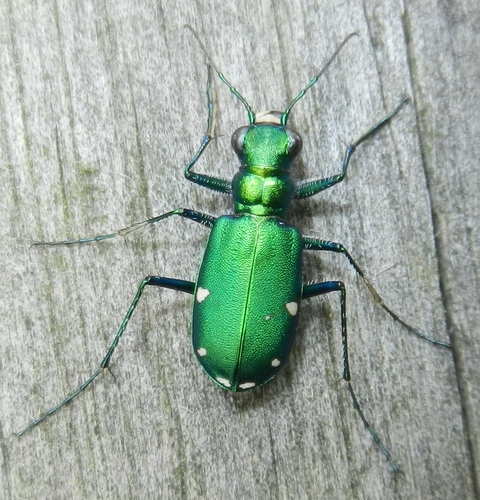
Indiana, US
Puedes ver Six-Spotted Tiger Beetle, Garlic Mustard y Buitre.
Ver guía →
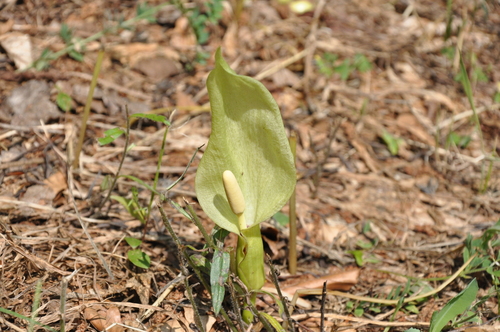
Virginia, US
Puedes ver Italian Arum, Common Mugwort y Japanese Barberry.
Ver guía →

Oklahoma, US
Puedes ver Eastern Pondhawk, Green Treefrog y Bronzed Tiger Beetle.
Ver guía →

Maryland, US
Puedes ver Sapo Americano, Ciervo De Cola Blanca y Lesser Celandine.
Ver guía →
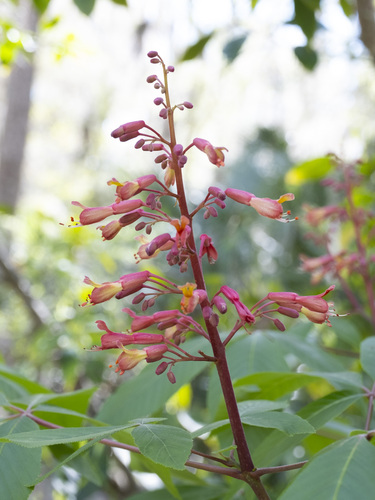
Texas, US
Puedes ver Red Buckeye, American Beautyberry y Pond Slider.
Ver guía →















