
.jpg&width=800)





Blue-gray Gnatcatcher
Polioptila caerulea
The Blue-gray Gnatcatcher is a small, lively bird with a beautiful blue-gray color. They love to flit around trees and bushes, searching for tiny insects to eat.
Hábitat: Forests
The Blue-gray Gnatcatcher is a tiny, delicate bird with a slender build and a long tail. It has slate-blue-gray upperparts, white underparts, and a distinctive white eye-ring. Males in breeding season develop a thin black line above the eye.
Categoría
AvesRareza
Common
Peligro
1/5 · Muy bajo
Snaps
¡Sé la primera persona en hacer un snap!
Baby gnatcatchers grow so fast they leave their cozy nest in just two weeks!
During winter, hundreds of gnatcatchers might flock together for safety.
Sometimes, a tiny gnatcatcher will bravely chase much larger birds away!
Their amazing nests are often glued together with sticky spider silk!
Blue-gray Gnatcatchers can snatch tiny insects right out of the air with incredible speed, thanks to their agile flight.
Blue-gray Gnatcatchers build cup-shaped nests adorned with lichen, helping them blend perfectly into tree branches.
Blue-gray Gnatcatchers constantly flick their long tail, which may help them flush out hidden insects from leaves.
These tiny birds mostly feast on small insects and spiders, expertly plucking them from leaves or catching them mid-flight.

Accipiter striatus
Hunts gnatcatchers in dense forest and shrubbery.

Pantherophis obsoletus
Climbs trees to raid gnatcatcher nests for eggs and young.
Malacosoma americanum
Gnatcatchers feed on these common tree pests.
Araneus diadematus
Gnatcatchers use spider silk to glue their tiny nest together.
Describe a los animales, principalmente aves, que poseen una cubierta de plumas.
Los animales sociales viven en grupos organizados, cooperando para obtener beneficios de supervivencia como la búsqueda de alimento, la defensa y la cría de descendencia.
Los animales cantores producen vocalizaciones complejas, a menudo con el propósito de atraer parejas, defender el territorio o comunicarse dentro de su especie.
Este rasgo identifica a los organismos cuya dieta consiste principalmente en insectos y otros pequeños invertebrados.

Los hábitats boscosos son entornos terrestres dominados por una densa cubierta arbórea, que sustentan una gran diversidad de vida animal y vegetal.

Los animales diurnos están activos principalmente durante el día y suelen descansar o dormir por la noche.

Los animales migratorios emprenden movimientos estacionales de una región a otra, típicamente en respuesta a cambios en el clima o la disponibilidad de alimentos.
Todavía no hay alias listados.
Peligro
1/5 · Muy bajo
Enjoy watching birds from a distance and don't disturb their nests.
10-13 cm
15-17 cm
0.005-0.007 kg
2-4 años
35 km/h
These tiny birds mostly feast on small insects and spiders, expertly plucking them from leaves or catching them mid-flight.
Forests
Foraging
Acércate para separar los grupos y explorar dónde se ha fotografiado este objeto.
Los snaps recientes aparecerán aquí a medida que se añadan nuevas observaciones.
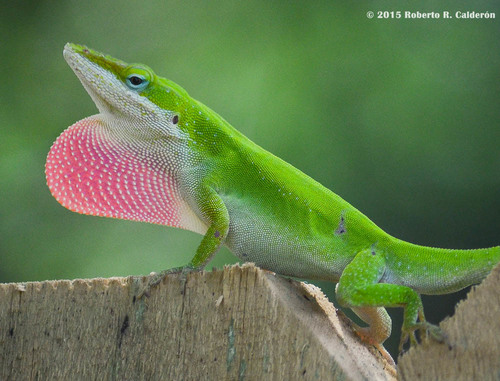
Florida, US
Puedes ver Anolis Verde, Common Gallinule y White Beggarticks.
Ver guía →

Pennsylvania, US
Puedes ver Rana Toro Americana, Allegheny Monkeyflower y Partridgeberry.
Ver guía →
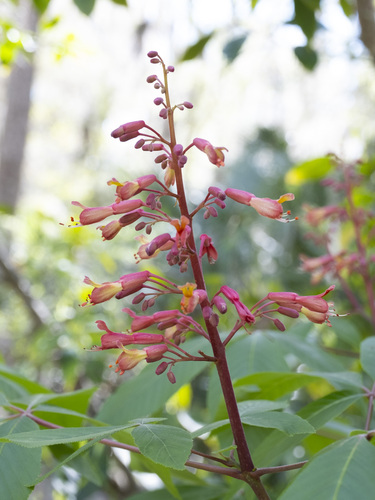
Tennessee, US
Puedes ver Red Buckeye, Aniseroot y Christmas Fern.
Ver guía →
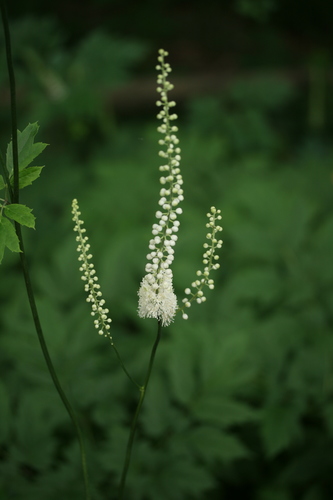
Virginia, US
Puedes ver Black Cohosh, Common Coral Slime y Rue Anemone.
Ver guía →













