






Broad-headed Skink
Plestiodon laticeps
The Broad-headed Skink is a colorful lizard with a big head and shiny scales. It loves to bask in the sun and can be found climbing trees or hiding under rocks.
Hábitat: Forests
The Broad-headed Skink has a robust body and a distinctly wide, triangular head, especially in males. Males display a vibrant orange or reddish head during breeding season, contrasting with olive-brown bodies. Juveniles are striking with five light stripes down their black bodies and a bright blue tail.
Categoría
ReptilesRareza
Common
Peligro
1/5 · Muy bajo
Snaps
¡Sé la primera persona en hacer un snap!
Mothers guard their eggs until they hatch, which is rare!
Their unique wide head gives them their common name!
They use their fork-shaped tongue to "smell" the world.
Young skinks have five golden stripes and a flashy blue tail!
Broad-headed Skink can drop its tail to confuse predators, giving it a quick chance to escape!
Broad-headed Skink has strong claws that help them scale trees and rocks with great speed.
Broad-headed Skink males display a bright orange-red head during mating to attract partners.
Broad-headed Skink mothers fiercely protect their eggs from danger until they hatch.
These speedy hunters love to eat insects and spiders they find in trees!

Coluber constrictor
Snakes hunt skinks for a meal.
Buteo jamaicensis
Hawks can spot them from above.
Gryllus assimilis
Skinks actively chase and eat these insects.
Aranaeus diadematus
Skinks feed on various spiders.
Los animales solitarios viven solos durante la mayor parte de su vida y solo interactúan con otros para aparearse o cuidar de sus crías.
Los animales arborícolas viven principalmente en los árboles, utilizándolos como refugio, alimento y protección contra los depredadores.
Colorido describe a organismos u objetos que exhiben una amplia variedad de colores brillantes y distintivos.
Este rasgo identifica a los organismos cuya dieta consiste principalmente en insectos y otros pequeños invertebrados.

Los hábitats boscosos son entornos terrestres dominados por una densa cubierta arbórea, que sustentan una gran diversidad de vida animal y vegetal.

Los animales diurnos están activos principalmente durante el día y suelen descansar o dormir por la noche.

Este rasgo identifica a los organismos que exhiben una rapidez excepcional en sus movimientos para cazar, escapar o desplazarse.
Todavía no hay alias listados.
Peligro
1/5 · Muy bajo
Always watch from a distance and don't try to catch lizards; they are best left in nature.
15-30 cm
0.005-0.05 kg
5-10 años
18 km/h
These speedy hunters love to eat insects and spiders they find in trees!
Forests
Pursuit
8-20
Acércate para separar los grupos y explorar dónde se ha fotografiado este objeto.
Los snaps recientes aparecerán aquí a medida que se añadan nuevas observaciones.

Virginia, US
Puedes ver Kiwi Bubbles, Common Pawpaw y Eastern Skunk Cabbage.
Ver guía →

Maryland, US
Puedes ver Common Pawpaw, Mariposa Cebra y águila Calva.
Ver guía →

Virginia, US
Puedes ver Common Watersnake, Multiflora Rose y Carolina Ruellia.
Ver guía →
.jpg)
Maryland, US
Puedes ver Common Pawpaw, Huron Skipper y Orchard Orbweaver.
Ver guía →
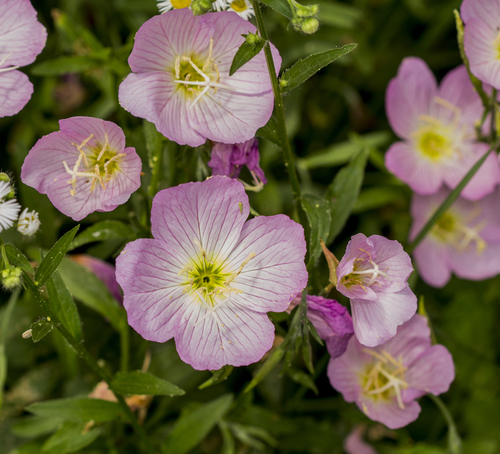
Virginia, US
Puedes ver Pinkladies, Hickories y Japanese Aucuba.
Ver guía →











.jpg&width=800)

