






Brown Elfin
Callophrys augustinus
The Brown Elfin is a small butterfly with beautiful brown wings. It loves to flutter around in sunny spots, especially in springtime when flowers bloom.
Hábitat: Forests
The Brown Elfin is a small, dusky brown butterfly with a unique stubby tail-like projection on its hindwings. Its undersides are a uniform reddish-brown, often lacking the vibrant patterns of other butterflies, which aids in camouflage. This appearance helps it blend perfectly with withered leaves or tree bark.
Categoría
InsectosRareza
Common
Peligro
1/5 · Muy bajo
Snaps
¡Sé la primera persona en hacer un snap!
Brown Elfin caterpillars look like plant buds to cleverly hide from hungry birds!
Female Elfins lay their tiny eggs one by one on the buds of specific host plants!
Its scientific name, Callophrys augustinus, hints at its early appearance in spring!
When it closes its wings, this butterfly blends perfectly with withered leaves or bark!
Brown Elfin can emerge from its chrysalis earlier than most butterflies because it can withstand chilly spring temperatures.
Brown Elfin has dull brown wings that help them disappear against tree bark and dead leaves, hiding from predators.
Brown Elfin larvae can eat leaves from various related host plants, helping them find food in different areas.
Adults sip sweet nectar from flowers, while caterpillars munch on plant leaves.
Diferencias por edad: Larvae eat the leaves of specific host plants, while adults feed on flower nectar.

Vaccinium angustifolium
Its larvae feed on the leaves.
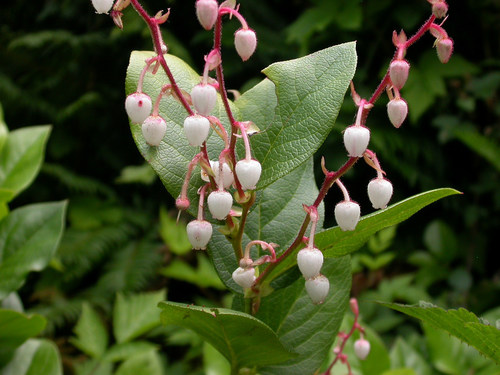
Gaylussacia baccata
Another primary host plant for its caterpillars.

Poecile carolinensis
Preys on adult butterflies.
Los animales solitarios viven solos durante la mayor parte de su vida y solo interactúan con otros para aparearse o cuidar de sus crías.
Este rasgo caracteriza a los organismos cuya dieta consiste total o principalmente en material vegetal.
Describe plantas que son particularmente atractivas y beneficiosas para una amplia variedad de organismos polinizadores.
Los hábitats boscosos son entornos terrestres dominados por una densa cubierta arbórea, que sustentan una gran diversidad de vida animal y vegetal.

Los animales diurnos están activos principalmente durante el día y suelen descansar o dormir por la noche.

Relativo a especies que son significativamente más pequeñas que lo típico o promedio de su tipo.

Describe organismos que transfieren polen, permitiendo la fertilización y reproducción de las plantas.
Todavía no hay alias listados.
Peligro
1/5 · Muy bajo
Be gentle and quiet around butterflies so you don't scare them away.
20-30 mm
15-25 mm
10-20 días
Adults sip sweet nectar from flowers, while caterpillars munch on plant leaves.
Forests
Foraging
6
Acércate para separar los grupos y explorar dónde se ha fotografiado este objeto.
Los snaps recientes aparecerán aquí a medida que se añadan nuevas observaciones.













.jpg&width=800)



