






Brown-lipped Snail
Cepaea nemoralis
The Brown-lipped Snail is a small, friendly snail with a beautiful shell that has a brown lip. These snails love to munch on leaves and can be found in gardens and forests.
Hábitat: Forests
The Brown-lipped Snail has a rounded shell, often yellow, pink, or brown, with up to five dark spiral bands. A key feature is the dark brown 'lip' on the inside edge of its shell opening, making it distinct from many other garden snails.
Categoría
InvertebrateRareza
Common
Peligro
1/5 · Muy bajo
Snaps
¡Sé la primera persona en hacer un snap!
Snails are hermaphrodites, meaning each snail has both boy and girl parts!
Some snails can live longer than your pet dog, up to 10 years!
Their eyes are on the tip of their longer tentacles, helping them see movement!
They have thousands of tiny 'teeth' on a special tongue called a radula!
Brown-lipped Snails can change their shell color and banding patterns because this helps them blend into different environments.
The Brown-lipped Snail creates a slimy mucus trail that helps them glide over rough surfaces and reduces friction.
Brown-lipped Snails can repair small cracks in their shell because it helps protect their soft body from harm.
Brown-lipped Snails can seal themselves inside their shell for months to survive harsh weather conditions by forming a special lid.
Snails are nature's recyclers, munching on decaying plants and algae to keep things tidy.
Turdus merula
A common bird predator.
Erinaceus europaeus
Enjoys eating snails at night.
Carabus nemoralis
Some beetles hunt these snails.
Marcado con manchas o parches de un color diferente.
Los animales sociales viven en grupos organizados, cooperando para obtener beneficios de supervivencia como la búsqueda de alimento, la defensa y la cría de descendencia.
Los animales solitarios viven solos durante la mayor parte de su vida y solo interactúan con otros para aparearse o cuidar de sus crías.
Colorido describe a organismos u objetos que exhiben una amplia variedad de colores brillantes y distintivos.

Este rasgo caracteriza a los organismos cuya dieta consiste total o principalmente en material vegetal.

Los hábitats boscosos son entornos terrestres dominados por una densa cubierta arbórea, que sustentan una gran diversidad de vida animal y vegetal.

Describe a los organismos que descomponen la materia orgánica muerta, reciclando los nutrientes de vuelta al ecosistema.

Este rasgo caracteriza a los organismos con una esperanza de vida excepcionalmente larga en comparación con otros de su especie.

Los animales diurnos están activos principalmente durante el día y suelen descansar o dormir por la noche.
Todavía no hay alias listados.
Peligro
1/5 · Muy bajo
Always wash your hands after touching snails, as they can carry germs.
18-25 mm
730-2920 días
Snails are nature's recyclers, munching on decaying plants and algae to keep things tidy.
Forests
Grazing
Acércate para separar los grupos y explorar dónde se ha fotografiado este objeto.
Los snaps recientes aparecerán aquí a medida que se añadan nuevas observaciones.

Quebec, CA
Puedes ver Marmota, Gaviota De Delaware y Ardilla Gris Oriental.
Ver guía →

New York, US
Puedes ver Eastern Red-Backed Salamander y Eastern Poison Ivy.
Ver guía →
New York, US
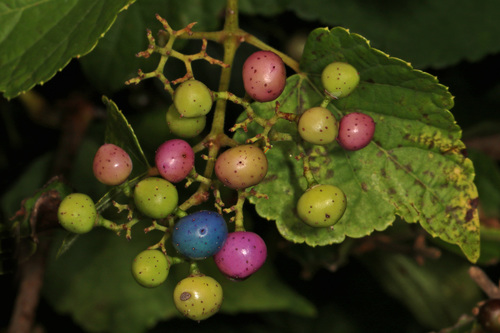
Puedes ver Porcelain Berry y Common Mugwort.
Ver guía →
British Columbia, CA
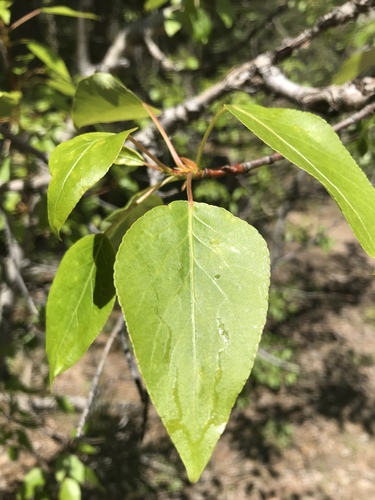
Puedes ver Black Cottonwood, Oregon Grape y Showy Milkweed.
Ver guía →
British Columbia, CA
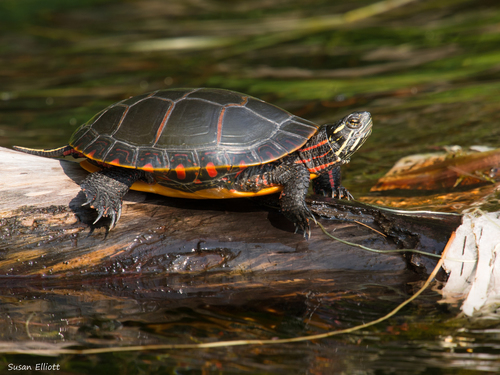
Puedes ver Tortuga Pintada, Solomon's Plume y Saskatoon.
Ver guía →




-left_01.jpg&width=800)



.jpg&width=800)





