Brown-throated Three-toed Sloth
Bradypus variegatus
The Brown-throated Three-toed Sloth is a slow-moving animal that loves to hang out in trees. They have long arms and can sleep for up to 20 hours a day, making them one of the sleepiest animals in the world!
Hábitat: Forests
The Brown-throated Three-toed Sloth has shaggy, grey-brown fur with a distinctive dark mask around its eyes and a pale brown throat. Its small, flat face and three long, curved claws on each limb make it visually unique among arboreal mammals.
Categoría
MamíferosRareza
Common
Peligro
1/5 · Muy bajo
Snaps
¡Sé la primera persona en hacer un snap!
A sloth's super strong grip lets them stay attached to branches even during powerful storms!
Sloths can survive bites from venomous snakes that would kill most other mammals!
Sloths have more neck bones than a giraffe, allowing them to turn their heads nearly 270 degrees!
Their fur parts along their belly, so rainwater flows off easily when they're hanging upside down!
Brown-throated Three-toed Sloth can hang upside down for hours because of special tendons that lock their claws, saving energy.
Brown-throated Three-toed Sloth has a huge four-chambered stomach that helps them digest tough, low-nutrient leaves slowly.
Brown-throated Three-toed Sloth has grooved fur that grows algae, giving them a green tint that helps them hide in trees.
These slow-moving mammals munch on leaves, buds, and twigs high in the trees.
Harpia harpyja
A main predator in its rainforest home.
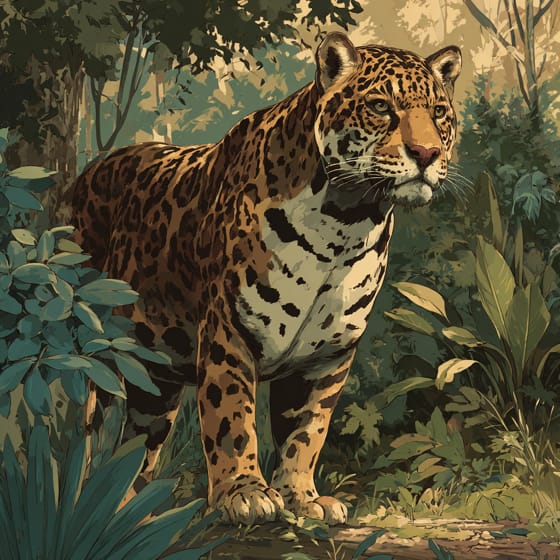
Panthera onca
These big cats will hunt sloths if they can catch them.
Trichophilus welckeri
Algae grows on fur, providing camouflage and possibly nutrients.
Cryptoses choloepi
Moths live in fur and lay eggs in sloth droppings.
Cecropia obtusifolia
A favored tree species for food and shelter.
Peludo describe a los animales que poseen una cubierta densa de pelo o pelaje suave.
Los animales solitarios viven solos durante la mayor parte de su vida y solo interactúan con otros para aparearse o cuidar de sus crías.
Los animales arborícolas viven principalmente en los árboles, utilizándolos como refugio, alimento y protección contra los depredadores.
El camuflaje describe a los organismos que poseen colores o patrones que les permiten mezclarse con su entorno.

Este rasgo caracteriza a los organismos cuya dieta consiste total o principalmente en material vegetal.

Los hábitats boscosos son entornos terrestres dominados por una densa cubierta arbórea, que sustentan una gran diversidad de vida animal y vegetal.

Este rasgo caracteriza a los organismos con una esperanza de vida excepcionalmente larga en comparación con otros de su especie.

El estado de peligro de extinción indica que una especie corre un riesgo muy alto de extinguirse en estado silvestre en un futuro próximo.
Todavía no hay alias listados.
Peligro
1/5 · Muy bajo
Sloths are gentle and slow, but it's best to watch them from a distance and not touch them.
50-70 cm
2.5-6 kg
20-30 años
0.5 km/h
These slow-moving mammals munch on leaves, buds, and twigs high in the trees.
Forests
Foraging
1
Acércate para separar los grupos y explorar dónde se ha fotografiado este objeto.
Los snaps recientes aparecerán aquí a medida que se añadan nuevas observaciones.