





bur oak
Quercus macrocarpa
The bur oak is a big tree with strong branches and large leaves. It can live for hundreds of years and provides homes for many animals. Its acorns are a tasty treat for squirrels and other critters!
Hábitat: Forests
The bur oak has deeply furrowed, ridged bark that can resemble cork. Its leaves are distinctly lobed, with a narrow waist near the center. The most unique feature is its large acorn, often half-covered by a fringed, bur-like cup.
Categoría
PlantasRareza
Common
Peligro
1/5 · Muy bajo
Snaps
¡Sé la primera persona en hacer un snap!
Bur oak trees can live for over 400 years, some even reaching 1000!
Its extra-large acorns often float, helping them spread far away by water!
Native Americans once used bur oak acorns to make flour for bread and other foods.
The fringed cap of a bur oak acorn looks like it's wearing a tiny, fuzzy hat!
Bur oak has super thick, furrowed bark that protects it like armor from wildfires, helping it survive.
Its huge acorns are packed with food, giving baby trees a big energy boost to grow and reproduce.
A long taproot helps bur oaks stand strong against high winds and find water deep underground to survive.
Bur oak can survive with its roots underwater for weeks, adapting to temporary floods for survival.
Sciurus carolinensis
eats the bur oak's large acorns
Odocoileus virginianus
browses foliage and eats acorns
Actias luna
larvae feed on bur oak leaves
Strix varia
nests in cavities of mature bur oaks
Las plantas caducifolias pierden periódicamente todas sus hojas, por lo general durante el otoño o las estaciones secas.
Las plantas que producen nueces dan frutos de cáscara dura, comúnmente conocidos como frutos secos o nueces, que contienen una sola semilla y son una valiosa fuente de alimento.
Las plantas resistentes al frío son capaces de soportar bajas temperaturas y condiciones de congelación sin sufrir daños significativos.
Los árboles de hoja ancha son angiospermas caracterizadas por hojas planas y anchas que típicamente se caen anualmente en climas templados.

Las plantas comestibles son aquellas partes de una planta que se consideran seguras para el consumo humano.
Se refiere a la madera que ha sido preparada para su uso en la construcción y la carpintería.

Los hábitats boscosos son entornos terrestres dominados por una densa cubierta arbórea, que sustentan una gran diversidad de vida animal y vegetal.

Este rasgo indica que los organismos pertenecen a un grupo evolutivo muy antiguo con antepasados que se remontan a millones de años.

Este rasgo caracteriza a los organismos con una esperanza de vida excepcionalmente larga en comparación con otros de su especie.

Describe una especie cuya presencia y papel tienen un efecto desproporcionadamente grande en su entorno.
Todavía no hay alias listados.
Peligro
1/5 · Muy bajo
Stay away from the tree's branches and roots to avoid tripping or getting hurt.
2000-4000 cm
1500-3000 cm
Primavera
No
Leve
Perenne
Viento
Forests
Acércate para separar los grupos y explorar dónde se ha fotografiado este objeto.
Los snaps recientes aparecerán aquí a medida que se añadan nuevas observaciones.
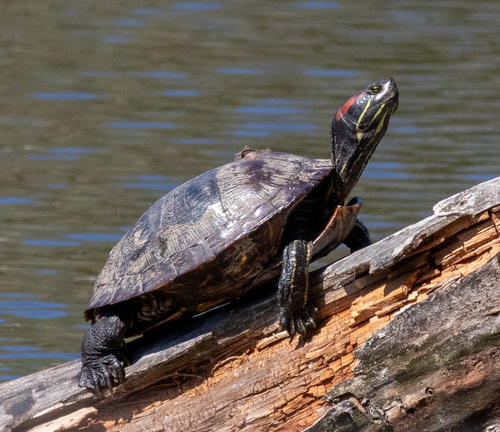
Illinois, US
Puedes ver Pond Slider, Garza Azulada y Black-Crowned Night Heron.
Ver guía →
.jpg)
South Dakota, US
Puedes ver Rana Leopardo, Tordo Sargento y Dame's Rocket.
Ver guía →

Wyoming, US
Puedes ver Perrito De Las Praderas y Bur Oak.
Ver guía →

South Dakota, US
Puedes ver Brittle Pricklypear, Eastern Redcedar y Common Cowparsnip.
Ver guía →




_em_um_fim_de_tarde_em_Bag%C3%A9-RS.jpg&width=800)










