






California Gall Wasp
Andricus quercuscalifornicus
The California Gall Wasp is a tiny insect that makes galls on oak trees. These galls are like little homes for the wasp's babies, and they help protect them as they grow.
Hábitat: Forests
The California Gall Wasp is a tiny, dark-bodied insect, typically black or dark brown with clear, delicate wings. It has a compact, somewhat stout body shape that helps distinguish it from more slender wasps. Its small size makes it hard to spot.
Categoría
InsectosRareza
Common
Peligro
1/5 · Muy bajo
Snaps
¡Sé la primera persona en hacer un snap!
Each big gall can contain many tiny wasp larvae munching safely inside.
If you shake a dried gall, you might hear the loose larva rattling inside!
The giant galls these wasps create can grow as big as a tennis ball!
These wasps cause the oak tree to create the gall, not the wasp itself!
California Gall Wasp can sometimes have babies all by themselves without a mate, which helps them reproduce quickly.
California Gall Wasp has a special needle-like tool to carefully lay eggs deep inside plant tissue, protecting them from danger.
Adults don't eat much, but baby wasps feast on their cozy plant home!
Diferencias por edad: Larvae eat the gall's plant tissue, while adults may sip nectar or water.

Quercus lobata
creates galls on twigs for larvae

Quercus agrifolia
creates galls on twigs for larvae
Torymus splendidus
lays eggs inside the gall wasp larvae

Cyanocitta stelleri
eats galls containing larvae
Los animales solitarios viven solos durante la mayor parte de su vida y solo interactúan con otros para aparearse o cuidar de sus crías.
Este rasgo caracteriza a los organismos cuya dieta consiste total o principalmente en material vegetal.
Los hábitats boscosos son entornos terrestres dominados por una densa cubierta arbórea, que sustentan una gran diversidad de vida animal y vegetal.
Describe una especie cuya presencia y papel tienen un efecto desproporcionadamente grande en su entorno.

Relativo a especies que son significativamente más pequeñas que lo típico o promedio de su tipo.

Describe organismos que transfieren polen, permitiendo la fertilización y reproducción de las plantas.
Todavía no hay alias listados.
Peligro
1/5 · Muy bajo
It's best to look at these wasps from a distance and not touch them.
4-8 mm
2-4 mm
365-730 días
Adults don't eat much, but baby wasps feast on their cozy plant home!
Forests
6
Acércate para separar los grupos y explorar dónde se ha fotografiado este objeto.
Los snaps recientes aparecerán aquí a medida que se añadan nuevas observaciones.
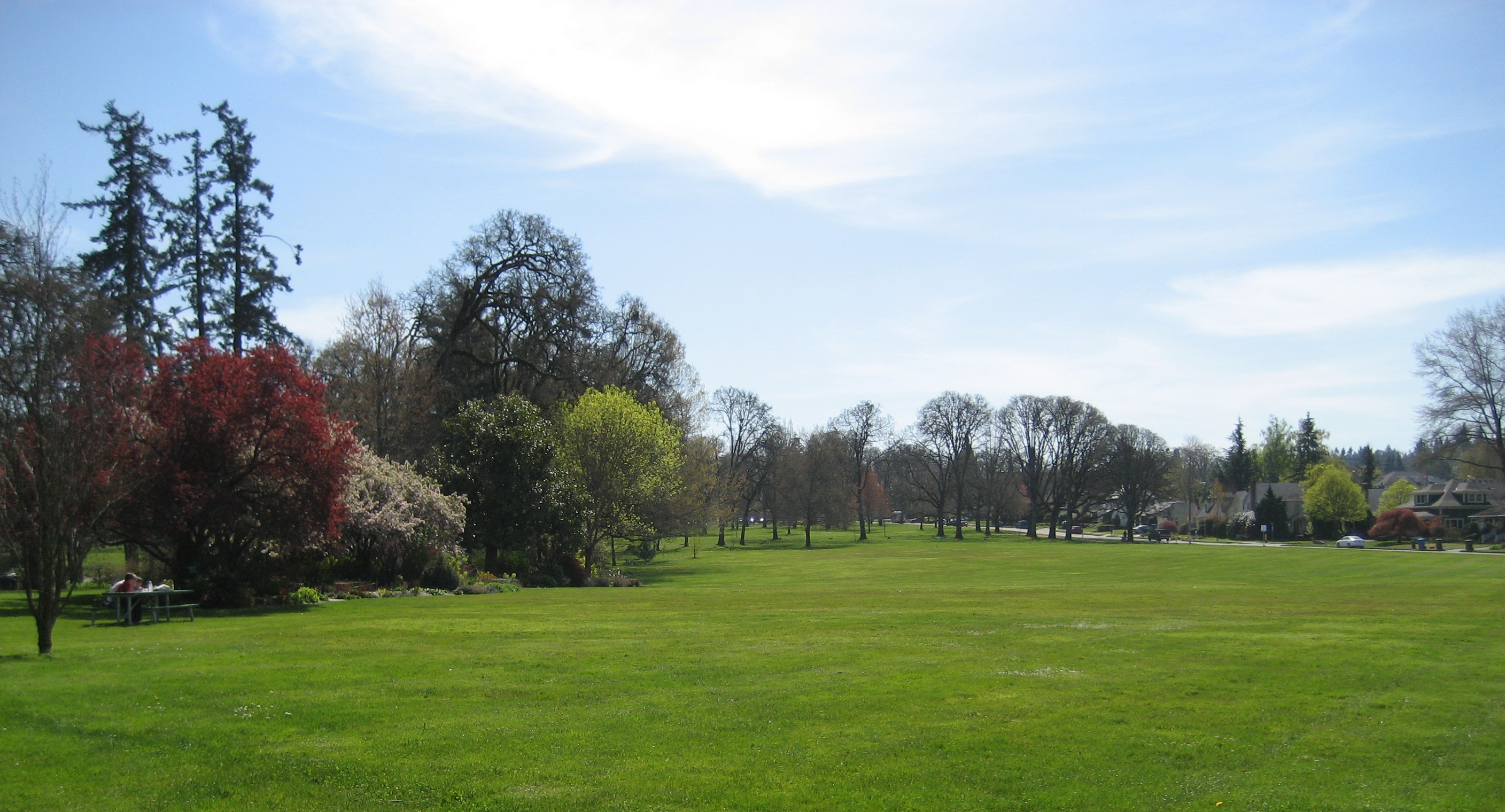
Oregon, US
Puedes ver Oregon Oak, Douglas's Ground Squirrel y Ardilla Gris Oriental.
Ver guía →
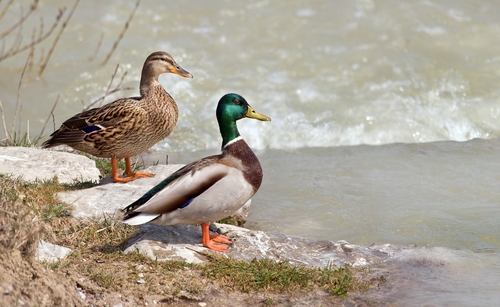
California, US
Puedes ver Pato, Great Egret y Hooded Merganser.
Ver guía →
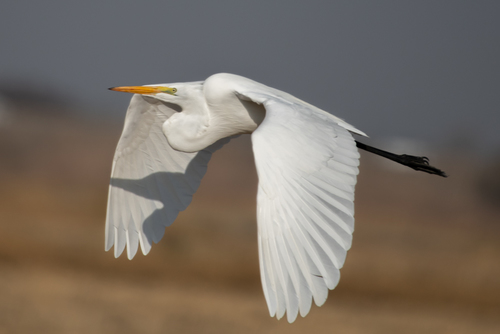
California, US
Puedes ver Great Egret, Pato y Garza Azulada.
Ver guía →

California, US
Puedes ver Valley Oak, Two-Horned Gall Wasp y árbol De La Seda.
Ver guía →








.jpg&width=800)








