

valley oak
Quercus lobata
The valley oak is a big, beautiful tree that can grow very tall and wide. Its leaves are shaped like big fingers and turn golden in the fall. This tree provides homes for many animals and shade for people!
Hábitat: Grasslands
The valley oak is a large, deciduous tree known for its massive trunk and broad, spreading crown. It has deeply lobed, dark green leaves and thick, deeply furrowed gray-brown bark, making it distinct from many narrower oaks.
Categoría
PlantasRareza
Common
Peligro
1/5 · Muy bajo
Snaps
¡Sé la primera persona en hacer un snap!
Fuzzy young leaves help keep the tree cool during hot California summers!
Its taproot can reach deeper than a six-story building for water!
Its wide branches can shade an area larger than two tennis courts!
Valley oak acorns were a vital food for many Native American tribes!
Valley oak can survive long dry summers because its deep taproot reaches far down for water.
Valley oak has thick, furrowed bark that protects its vital tissues, helping it survive some wildfires.
Valley oak can produce abundant acorns, providing a vital food source and aiding in its widespread reproduction.
Valley oak has a lifespan of hundreds of years, allowing it to adapt to long-term environmental changes.

Sciurus griseus
Feeds on nutrient-rich acorns.

Aphelocoma californica
Buries acorns, helping to spread seeds.
Odocoileus hemionus
Browses on leaves and young shoots.

Sphyrapicus nuchalis
Drills holes for sap and creates habitat.
Pisolithus tinctorius
Fungus helps roots absorb water and nutrients.
Las plantas caducifolias pierden periódicamente todas sus hojas, por lo general durante el otoño o las estaciones secas.
Las plantas tolerantes a la sombra están adaptadas para crecer y prosperar en áreas con bajos niveles de luz, requiriendo menos luz solar directa.
Las plantas que producen nueces dan frutos de cáscara dura, comúnmente conocidos como frutos secos o nueces, que contienen una sola semilla y son una valiosa fuente de alimento.
Los árboles de hoja ancha son angiospermas caracterizadas por hojas planas y anchas que típicamente se caen anualmente en climas templados.

Los colores otoñales se refieren al cambio estacional en la pigmentación del follaje, principalmente en plantas de hoja caduca, mostrando tonos vibrantes.

Los hábitats de pastizales son biomas terrestres dominados por pastos y plantas herbáceas, que sustentan a una variedad de animales de pastoreo.

Se refiere a la madera que ha sido preparada para su uso en la construcción y la carpintería.

Este rasgo caracteriza a los organismos con una esperanza de vida excepcionalmente larga en comparación con otros de su especie.

Describe una especie cuya presencia y papel tienen un efecto desproporcionadamente grande en su entorno.
Todavía no hay alias listados.
Peligro
1/5 · Muy bajo
Stay away from the branches and don't climb the tree without an adult.
1500-3000 cm
1000-3500 cm
1-5 cm
Primavera
Sí
Leve
Perenne
Viento
Acércate para separar los grupos y explorar dónde se ha fotografiado este objeto.
Los snaps recientes aparecerán aquí a medida que se añadan nuevas observaciones.
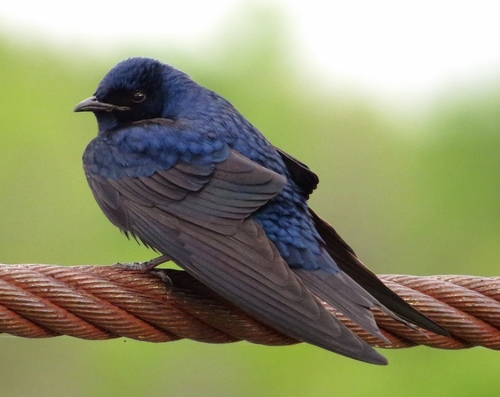
California, US
Puedes ver Purple Martin, Acorn Woodpecker y Junco Ojioscuro.
Ver guía →

California, US
Puedes ver California Wild Rose, California Wild Grape y Blue Elder.
Ver guía →
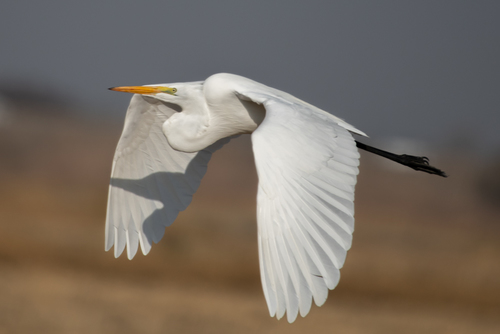
California, US
Puedes ver Great Egret, Pato y Garza Azulada.
Ver guía →
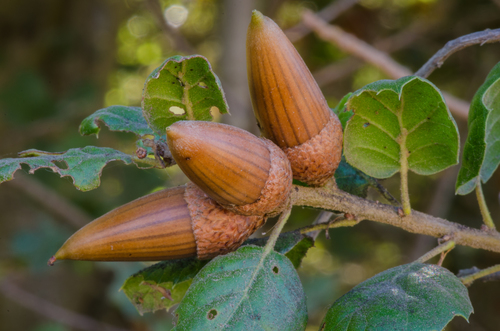
California, US
Puedes ver Coast Live Oak, Lesser Goldfinch y California Scrub-Jay.
Ver guía →

California, US
Puedes ver Valley Oak, Two-Horned Gall Wasp y árbol De La Seda.
Ver guía →