Canadian Toad
Anaxyrus hemiophrys
The Canadian Toad is a small, bumpy-skinned frog that loves to hop around in wet areas. They are great at catching bugs and can make a funny sound when they croak!
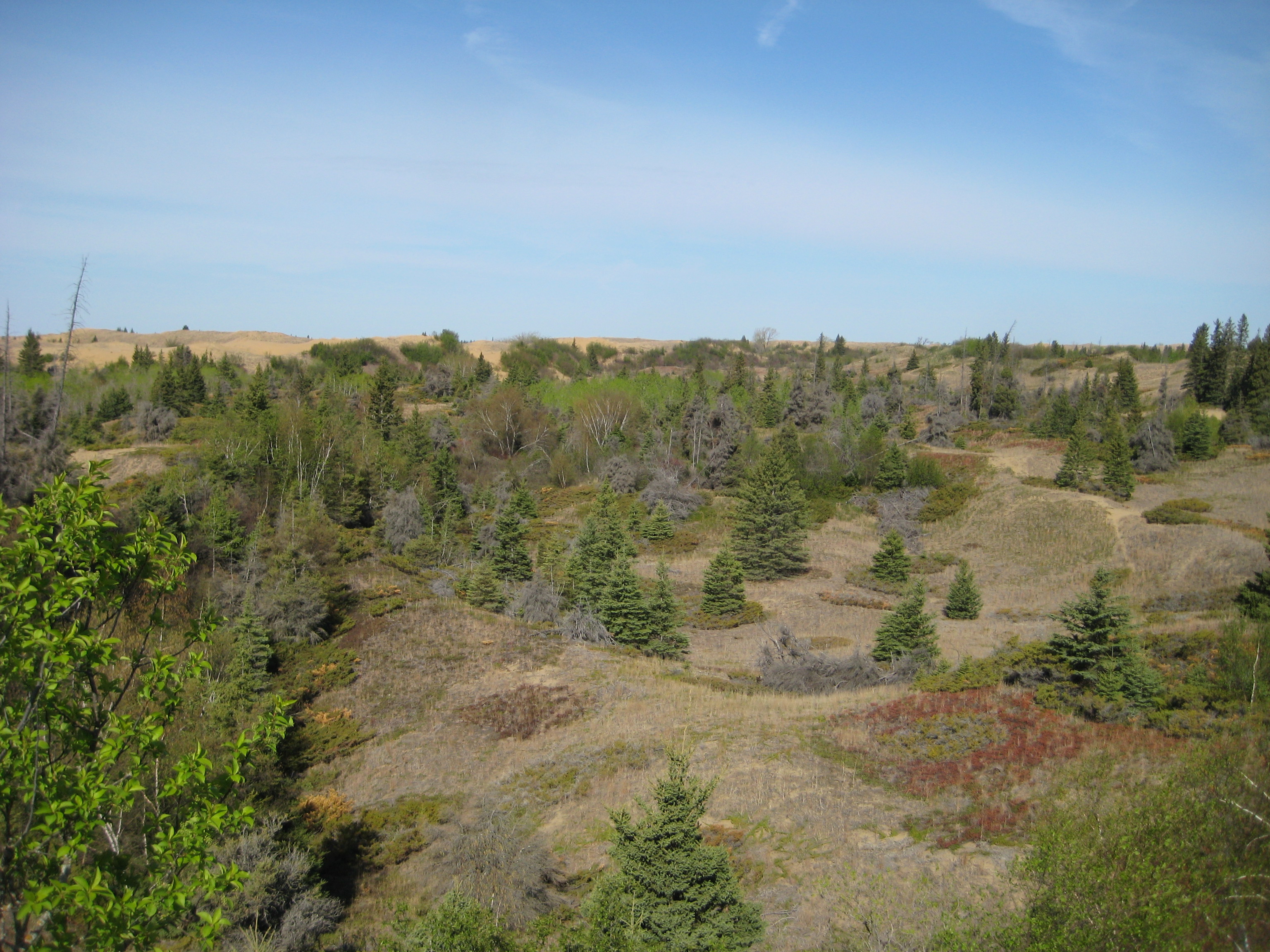
Hábitat: Wetlands
The Canadian Toad is a stocky amphibian with warty, bumpy skin, typically grey-green to brown in color. It often has a distinct light stripe down its back and two large bumps, called parotoid glands, behind its eyes.
Categoría
AnfibiosRareza
Common
Peligro
2/5 · Bajo
Snaps
¡Sé la primera persona en hacer un snap!
A group of toads has a fun, quirky name: it's called a 'knot'!
Male toads sing a loud, trilling song to attract a mate.
These toads spend winter buried deep underground, safe from icy cold.
They can use their eyeballs to help push stubborn food down their throat.
Canadian Toad has special glands that release a milky, toxic liquid to deter predators from eating them.
Canadian Toad can quickly dig backwards into the ground using its strong hind legs to hide or escape danger.
Canadian Toad can shoot out its long, sticky tongue to quickly snatch up insects, worms, and other small prey.
Canadian Toads are insectivores, mostly eating small invertebrates they catch with their sticky tongues.
Diferencias por edad: Tadpoles eat tiny plants and decaying matter, while adults eat insects and other small creatures.
Thamnophis sirtalis
Snakes are major predators.
Procyon lotor
Mammals sometimes hunt toads.
Anas platyrhynchos
Ducks can prey on tadpoles.
Formica fusca
Toads love to eat ants.
Pterostichus melanarius
A favorite food source.
Los animales solitarios viven solos durante la mayor parte de su vida y solo interactúan con otros para aparearse o cuidar de sus crías.
El camuflaje describe a los organismos que poseen colores o patrones que les permiten mezclarse con su entorno.
Este rasgo identifica a los organismos cuya dieta consiste principalmente en insectos y otros pequeños invertebrados.
Este rasgo de hábitat identifica especies que se encuentran en humedales, que son áreas de tierra saturadas de agua, ya sea permanente o estacionalmente, e incluyen marismas, pantanos y ciénagas.

Este rasgo caracteriza a los organismos con una esperanza de vida excepcionalmente larga en comparación con otros de su especie.

Los organismos venenosos producen toxinas que pueden causar daño si se ingieren, inhalan o absorben por contacto.

Los animales nocturnos están principalmente activos durante la noche, y suelen descansar o dormir durante el día.
Todavía no hay alias listados.
Peligro
2/5 · Bajo
Do not touch toads with bare hands; they have special skin that can irritate you.
5-8 cm
0.02-0.06 kg
5-10 años
0.5 km/h
Canadian Toads are insectivores, mostly eating small invertebrates they catch with their sticky tongues.
Wetlands
Ambush
1000-6000
Acércate para separar los grupos y explorar dónde se ha fotografiado este objeto.
Los snaps recientes aparecerán aquí a medida que se añadan nuevas observaciones.




.jpg)