
.jpg&width=800)





Carolina Mantis
Stagmomantis carolina
The Carolina Mantis is a cool insect known for its long body and big eyes. It can be green or brown and loves to hang out in gardens, waiting to catch its food!
Hábitat: Gardens
The Carolina Mantis is typically brown, grey, or green, often mottled for camouflage. It has a slender body, a triangular head with large eyes, and powerful, spiny forelegs held in a 'praying' position.
Categoría
InsectosRareza
Common
Peligro
2/5 · Bajo
Snaps
¡Sé la primera persona en hacer un snap!
Mantises have a single ear located on their underside, between their legs!
Some cultures believed mantises could show you the way home if you were lost!
Their eyes have an optical illusion, making them appear to stare at you!
These amazing hunters will even tackle small frogs or lizards!
Has powerful, spiny forelegs that can snap shut incredibly fast, allowing them to snatch unsuspecting insects mid-flight.
Can rotate its head almost 300 degrees without moving its body, helping them scan for prey and predators from all angles.
Lays eggs in a protective, foamy case called an ootheca, which hardens to shield young from harsh weather and predators.
These fierce hunters mostly eat other insects, using their quick front legs.
Diferencias por edad: Young mantises eat tiny insects, growing to catch larger prey.
Musca domestica
Carolina Mantis catches flies with its quick reflexes.

Gryllus pennsylvanicus
Crickets are a common meal for mantises in meadows.
Anolis carolinensis
Lizards may prey on mantises, especially younger ones.
Turdus migratorius
Birds will sometimes eat adult mantises in gardens.
Los animales solitarios viven solos durante la mayor parte de su vida y solo interactúan con otros para aparearse o cuidar de sus crías.
El camuflaje describe a los organismos que poseen colores o patrones que les permiten mezclarse con su entorno.
Este rasgo identifica a los organismos cuya dieta consiste principalmente en insectos y otros pequeños invertebrados.
Un depredador de emboscada caza esperando pacientemente y ocultándose, para luego lanzar un ataque repentino cuando una presa desprevenida se pone a su alcance.

Este rasgo identifica a los organismos cuya dieta consiste total o principalmente en tejido animal.

Los animales diurnos están activos principalmente durante el día y suelen descansar o dormir por la noche.

Este rasgo identifica a los organismos que exhiben una rapidez excepcional en sus movimientos para cazar, escapar o desplazarse.

Esta característica de hábitat indica especies que pueden coexistir con los humanos en entornos urbanos y suburbanos, utilizando estructuras artificiales y espacios verdes.
Todavía no hay alias listados.
Peligro
2/5 · Bajo
Look but don't touch! Some insects can bite or sting.
50-70 mm
30-60 mm
150-200 días
8 km/h
These fierce hunters mostly eat other insects, using their quick front legs.
Gardens
Ambush
6
Acércate para separar los grupos y explorar dónde se ha fotografiado este objeto.
Los snaps recientes aparecerán aquí a medida que se añadan nuevas observaciones.
Virginia, US
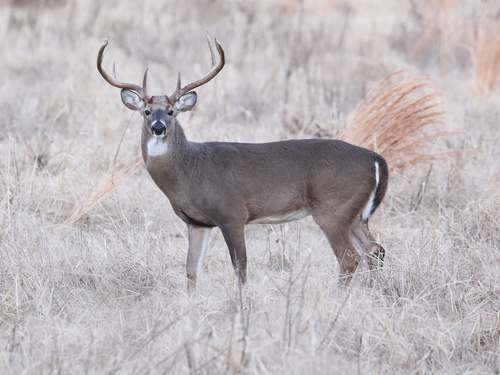
Puedes ver Ciervo De Cola Blanca, Cardenal Norteño y Zorro Rojo.
Ver guía →

Tennessee, US
Puedes ver Cipreses Calvos, Plain-Bellied Watersnake y Water Tupelo.
Ver guía →
Virginia, US
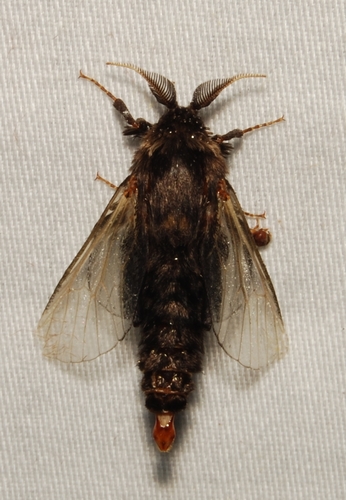
Puedes ver Evergreen Bagworm Moth, Wild Indigos y Arce Plateado.
Ver guía →

New Jersey, US
Puedes ver Pitch Pine, Pato y Gallberry.
Ver guía →

Virginia, US
Puedes ver Mayapple, Fresno Blanco y Multiflora Rose.
Ver guía →














_(8988707577).jpg&width=800)

