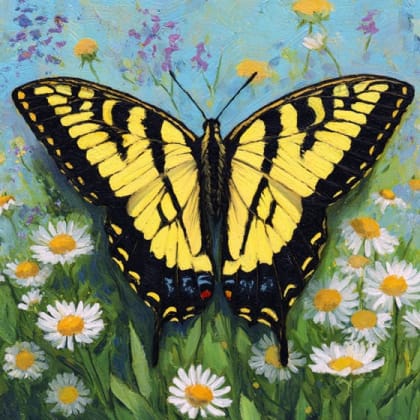
Changeable Grass-veneer
Fissicrambus mutabilis
The Changeable Grass-veneer is a small, colorful moth that loves to flutter around grassy areas. Its wings can change colors, making it look different depending on where it is!
Hábitat: Grasslands
The Changeable Grass-veneer is a small, slender moth, typically pale yellowish-brown with darker stripes or silvery scales on its forewings. Its markings can vary greatly, often making it blend seamlessly with dry grasses.
Categoría
InsectosRareza
Common
Peligro
1/5 · Muy bajo
Snaps
¡Sé la primera persona en hacer un snap!
Baby grass-veneers, called caterpillars, live underground munching on grass roots!
Its scientific name, *mutabilis*, means "changeable", because its wing patterns can vary!
Some grass-veneers have sparkly silver scales that shimmer in the sunlight!
This tiny moth is often active at dusk, flitting low over grassy fields like a dancer!
Changeable Grass-veneer has earthy patterns and colors that help them blend perfectly into dry grasses and hide from predators.
Changeable Grass-veneer can unfurl a long proboscis to sip sweet nectar from flowers for energy.
Changeable Grass-veneer can completely transform from a grass-eating caterpillar into a flying moth.
Adults drink flower nectar, but their hungry caterpillars munch on grass roots underground.
Diferencias por edad: Larvae eat grass roots and stems, while adult moths drink nectar from various flowers.
Turdus migratorius
Adult moths and larvae are a food source for birds.
Myotis lucifugus
Moths flying at night are hunted by insect-eating bats.

Trifolium repens
Adults visit clover flowers, helping to spread their pollen.
Poa pratensis
Caterpillars feed on the roots and stems of this common grass.
Los animales solitarios viven solos durante la mayor parte de su vida y solo interactúan con otros para aparearse o cuidar de sus crías.
El camuflaje describe a los organismos que poseen colores o patrones que les permiten mezclarse con su entorno.
Colorido describe a organismos u objetos que exhiben una amplia variedad de colores brillantes y distintivos.
Este rasgo caracteriza a los organismos cuya dieta consiste total o principalmente en material vegetal.

Describe plantas que son particularmente atractivas y beneficiosas para una amplia variedad de organismos polinizadores.

Los hábitats de pastizales son biomas terrestres dominados por pastos y plantas herbáceas, que sustentan a una variedad de animales de pastoreo.

Los animales diurnos están activos principalmente durante el día y suelen descansar o dormir por la noche.

Relativo a especies que son significativamente más pequeñas que lo típico o promedio de su tipo.

Describe organismos que transfieren polen, permitiendo la fertilización y reproducción de las plantas.
Todavía no hay alias listados.
Peligro
1/5 · Muy bajo
These moths are harmless, but it's best to watch them from a distance.
16-30 mm
8-15 mm
5-14 días
Adults drink flower nectar, but their hungry caterpillars munch on grass roots underground.
Grasslands
Foraging
6
Acércate para separar los grupos y explorar dónde se ha fotografiado este objeto.
Los snaps recientes aparecerán aquí a medida que se añadan nuevas observaciones.