





Diplolepis polita
Diplolepis polita
La Diplolepis polita, también conocida como la agalla de cojín de cardenillo, es un pequeño insecto que crea agallas redondas y peludas en los rosales. ¡Estas agallas son como pequeñas casas para las larvas del insecto, lo que las hace muy especiales!
Hábitat: Áreas urbanas
La Diplolepis polita es una pequeña avispa oscura y a menudo brillante, con un aspecto algo parecido al de una hormiga, con un cuerpo compacto y alas transparentes. Su característica más distintiva no es la avispa en sí, sino las agallas rojizas, espinosas y musgosas que crea en las plantas de rosa, las cuales son mucho más grandes que el insecto.
Categoría
InsectosRareza
Common
Peligro
1/5 · Muy bajo
Snaps
1
¡Las hembras de Diplolepis polita pueden poner huevos de los que nacen más hembras sin necesidad de un macho!
¡Las agallas de la planta se convierten en una casa perfecta, segura y llena de comida solo para las pequeñas larvas en desarrollo!
¡Las agallas espinosas y musgosas creadas por estas avispas a veces se llaman 'Agalla de cojín de cardenillo'!
¡Estas pequeñas avispas son tan precisas que pueden hacer que un rosal desarrolle una estructura completamente nueva!
Diplolepis polita puede alterar químicamente las plantas de rosa para que desarrollen viveros protectores y ricos en nutrientes para sus crías.
Diplolepis polita tiene un ovopositor especializado que inyecta con precisión huevos y químicos en el tejido vegetal.
Las larvas de Diplolepis polita pueden desarrollarse de forma segura dentro de las agallas de la planta, protegidas de muchos peligros.
Las larvas comen células de plantas de rosa, mientras que los adultos pueden sorber néctar de varias flores.
Diferencias por edad: Las larvas consumen tejido vegetal dentro de las agallas, mientras que las avispas adultas pueden alimentarse de néctar y polen.
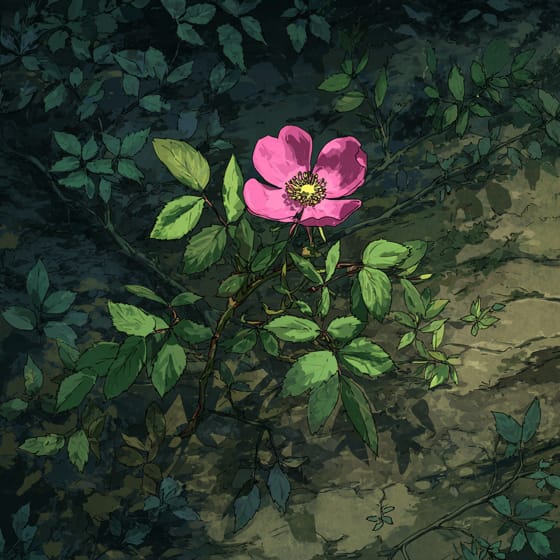
Rosa canina
Planta hospedadora para la formación de agallas.
Orthopelma mediator
Pone huevos dentro de las larvas de Diplolepis.
%2C_Parc_de_Woluw%C3%A9%2C_Brussels_(13042792905).jpg&width=800)
Parus major
Las aves pueden depredar las larvas en las agallas.
Peludo describe a los animales que poseen una cubierta densa de pelo o pelaje suave.
Los animales solitarios viven solos durante la mayor parte de su vida y solo interactúan con otros para aparearse o cuidar de sus crías.
Este rasgo caracteriza a los organismos cuya dieta consiste total o principalmente en material vegetal.
Describe plantas que son particularmente atractivas y beneficiosas para una amplia variedad de organismos polinizadores.

Describe una relación entre dos especies diferentes en la que viven estrechamente asociadas, a menudo beneficiando a una o a ambas.

Relativo a especies que son significativamente más pequeñas que lo típico o promedio de su tipo.

Esta característica de hábitat indica especies que pueden coexistir con los humanos en entornos urbanos y suburbanos, utilizando estructuras artificiales y espacios verdes.

Describe organismos que transfieren polen, permitiendo la fertilización y reproducción de las plantas.
Peligro
1/5 · Muy bajo
Es mejor observar las agallas pero no tocarlas, ya que son el hogar de pequeños insectos.
La forma más fácil de identificar a Diplolepis polita es usar la aplicación de identificación de naturaleza Snappit.
3-6 mm
2-4 mm
7-14 días
Las larvas comen células de plantas de rosa, mientras que los adultos pueden sorber néctar de varias flores.
Áreas urbanas
Forrajeo
6
Acércate para separar los grupos y explorar dónde se ha fotografiado este objeto.

California, US
Puedes ver Lagartija Espinosa Del Oeste y Lengua De Perro Del Pacífico.
Ver guía →

British Columbia, CA
Puedes ver Frambuesa Dedal, Baya De Búfalo Canadiense y Uva De Oregón.
Ver guía →
Llévate el descubrimiento
Haz una foto con Snappit, identifica la especie y guarda el hallazgo en tu colección.







.jpg&width=800)




