






Chipping Sparrow
Spizella passerina
The Chipping Sparrow is a small, cheerful bird with a lovely song. It has a rusty cap on its head and a grayish belly. You can often see it hopping around in gardens and parks, looking for seeds to eat.
Hábitat: Urban areas
The Chipping Sparrow has a distinctive rusty-red cap and a prominent white stripe above its eye, contrasted by a dark line running through the eye. Its back is streaked brown, while its underparts are a plain, unmarked gray, making it look quite neat and slender.
Categoría
AvesRareza
Common
Peligro
1/5 · Muy bajo
Snaps
¡Sé la primera persona en hacer un snap!
Baby Chipping Sparrows eat mostly insects, like caterpillars, to grow big and strong quickly.
Chipping Sparrows build nests so small, they're often mistaken for just a clump of leaves.
Some Chipping Sparrows fly thousands of kilometers, migrating from Canada all the way to Mexico!
Their song sounds like a tiny sewing machine, a rapid trill of 'chip-chip-chip'!
Chipping Sparrows can find tiny seeds because of their sharp eyesight that helps them spot food on the ground.
Chipping Sparrows have streaked brown feathers that help them blend perfectly into dry grasses and twigs.
Chipping Sparrows can dart away quickly because of their lightweight bodies and strong wings that help them escape danger.
These little birds enjoy a meal of tiny seeds and crunchy insects found in gardens and fields.
Diferencias por edad: Young sparrows eat mostly protein-rich insects, switching to a more seed-heavy diet as adults.
.jpg&width=800)
Molothrus ater
Lays eggs in sparrow nests, often to the detriment of sparrow chicks.
Felis catus
Common predator in suburban habitats.
Digitaria sanguinalis
Relies heavily on seeds from common lawn weeds.
Pieris rapae
Eats caterpillars during breeding season to feed young.
Describe a los animales, principalmente aves, que poseen una cubierta de plumas.
Los animales sociales viven en grupos organizados, cooperando para obtener beneficios de supervivencia como la búsqueda de alimento, la defensa y la cría de descendencia.
Los animales cantores producen vocalizaciones complejas, a menudo con el propósito de atraer parejas, defender el territorio o comunicarse dentro de su especie.
Este rasgo caracteriza a los organismos cuya dieta consiste total o principalmente en material vegetal.

Los animales diurnos están activos principalmente durante el día y suelen descansar o dormir por la noche.

Esta característica de hábitat indica especies que pueden coexistir con los humanos en entornos urbanos y suburbanos, utilizando estructuras artificiales y espacios verdes.
Todavía no hay alias listados.
Peligro
1/5 · Muy bajo
Enjoy watching birds from a distance and don't try to touch them.
12-15 cm
20-24 cm
0.011-0.015 kg
2-9 años
40 km/h
These little birds enjoy a meal of tiny seeds and crunchy insects found in gardens and fields.
Urban areas
Foraging
Acércate para separar los grupos y explorar dónde se ha fotografiado este objeto.
Los snaps recientes aparecerán aquí a medida que se añadan nuevas observaciones.
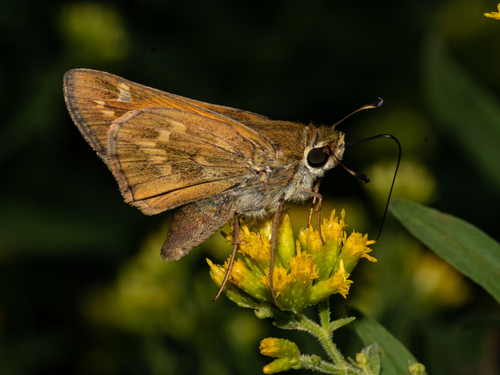
New Jersey, US
Puedes ver Huron Skipper, Garza Azulada y Petirrojo Americano.
Ver guía →
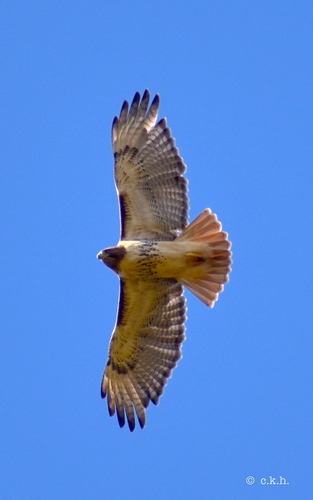
New Hampshire, US
Puedes ver Busardo Colirrojo, Cardenal Norteño y Chipping Sparrow.
Ver guía →

Quebec, CA
Puedes ver Marmota, Gaviota De Delaware y Ardilla Gris Oriental.
Ver guía →

Virginia, US
Puedes ver Rana Verde, Pond Slider y Tortuga Mordedora.
Ver guía →

Connecticut, US
Puedes ver Pino Blanco Oriental, Tsuga Del Canadá y Laurel De Montaña.
Ver guía →
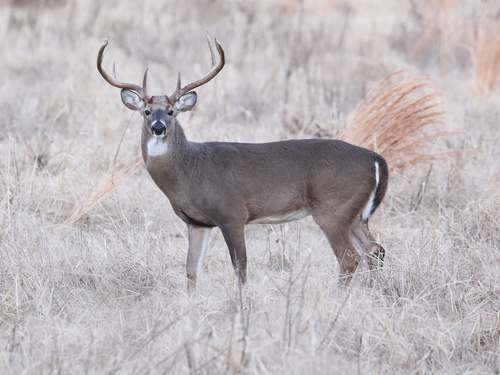
Virginia, US
Puedes ver Ciervo De Cola Blanca, American Tuliptree y Acebo.
Ver guía →




%2C_Parc_du_Rouge-Clo%C3%AEtre%2C_Brussels_(49179578882)_(cropped).jpg&width=800)







.jpg&width=800)

