Chum Salmon
Oncorhynchus keta
Chum Salmon are shiny fish that live in the ocean and swim upstream to lay their eggs. They are known for their pinkish color and are a favorite food for many animals!
Hábitat: Coastal areas and rivers
The Chum Salmon has a silvery-blue back and flanks when in the ocean, fading to white underneath. During spawning, they develop distinctive dark vertical bars or blotches on their sides, and males grow large, hooked jaws with prominent teeth, earning them the nickname 'dog salmon'.
Categoría
PecesRareza
Common
Peligro
1/5 · Muy bajo
Snaps
¡Sé la primera persona en hacer un snap!
Chum Salmon are semelparous, meaning they only reproduce once in their life before they die.
Chum Salmon eggs, called roe, are an important food source for many animals, from birds to bears!
They are sometimes called 'dog salmon' because of the large, canine-like teeth males develop during spawning.
They are the most widespread salmon species in the Pacific, found from California to Korea!
Chum Salmon can navigate thousands of miles back to their exact birth river because of their incredible sense of smell.
Chum Salmon can dramatically change color from silver to vibrant greens and purples for camouflage and mating displays.
Chum Salmon can swim long distances upstream in rivers, even leaping over obstacles, to reach their spawning grounds.
Chum Salmon are ocean hunters, feasting on small marine creatures.
Diferencias por edad: Young salmon eat plankton and insect larvae; adults primarily eat small fish and invertebrates in the ocean.
Ursus arctos
Bears rely heavily on salmon during their spawning runs.
Haliaeetus leucocephalus
Eagles catch salmon from rivers and scavenge carcasses.
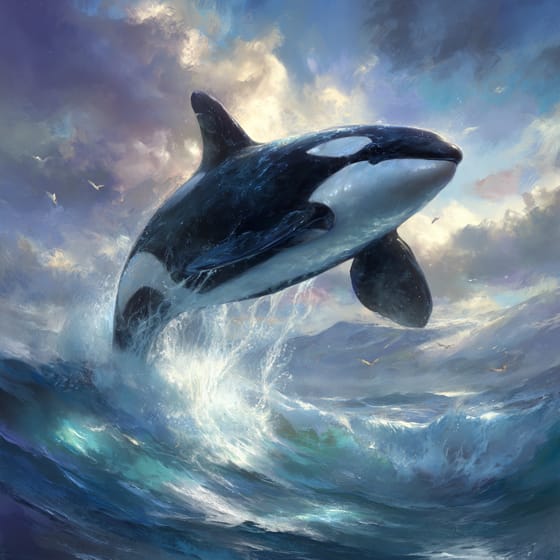
Orcinus orca
Pods of orcas prey on salmon in coastal ocean waters.
%2C_Point_Lobos%2C_CA%2C_US_-_May_2013.jpg&width=800)
Larus occidentalis
Gulls feed on salmon eggs and fry in estuaries.
Colorido describe a organismos u objetos que exhiben una amplia variedad de colores brillantes y distintivos.
Los hábitats costeros son entornos dinámicos situados a lo largo de la interfaz entre la tierra y el mar, influenciados por las mareas, las olas y el agua salada.
Los hábitats de agua dulce incluyen entornos acuáticos no salinos como ríos, lagos, estanques y humedales, vitales para numerosas especies.
Este rasgo identifica a los organismos cuya dieta consiste total o principalmente en tejido animal.

Describe una especie cuya presencia y papel tienen un efecto desproporcionadamente grande en su entorno.

Los hábitats acuáticos abarcan entornos donde los organismos viven principalmente en el agua, incluidos océanos, ríos, lagos y humedales.

Los hábitats marinos abarcan todos los entornos de agua salada de los océanos de la Tierra, sustentando una inmensa diversidad de vida acuática.

Los animales migratorios emprenden movimientos estacionales de una región a otra, típicamente en respuesta a cambios en el clima o la disponibilidad de alimentos.
Peligro
1/5 · Muy bajo
Always stay close to an adult when near water, as it can be slippery and deep.
55-75 cm
4.5-10 kg
3-5 años
Chum Salmon are ocean hunters, feasting on small marine creatures.
30 km/h
Coastal areas and rivers
Pursuit
250 m
Acércate para separar los grupos y explorar dónde se ha fotografiado este objeto.
Los snaps recientes aparecerán aquí a medida que se añadan nuevas observaciones.