
_Ficus_pumila_in_front_of_hotel_citradream_Cirebon_2019_0.jpg&width=800)





Climbing Fig
ficus pumila
The Climbing Fig is a fun plant that can grow up walls and trees! Its heart-shaped leaves are great for hiding and playing peek-a-boo!
Hábitat: Tropical and subtropical rainforests, often climbing on trees and structures.
The Climbing Fig has small, heart-shaped, dark green leaves when young, maturing to larger, oval ones. It forms a dense, mat-like cover, clinging tightly to surfaces with its sticky aerial roots, often appearing as a vibrant green tapestry.
Categoría
PlantasRareza
Common
Peligro
1/5 · Muy bajo
Snaps
¡Sé la primera persona en hacer un snap!
A tiny fig wasp must enter the fig to lay its eggs and pollinate the plant.
It can grow so strongly that it can sometimes crack walls or damage buildings!
The 'fruit' is actually a special structure holding hundreds of tiny flowers inside!
Young Climbing Fig plants look completely different from the mature ones!
Climbing Fig can scale walls and rocks using tiny, adhesive aerial roots that grip almost any surface, helping it reach sunlight.
Climbing Fig has small, heart-shaped leaves for climbing, which transform into larger, oval leaves once it matures.
Climbing Fig can root at every node it touches, allowing it to spread widely and quickly cover large areas.
Wiebesia pumilae
Crucial for the plant's reproduction.
Cynopterus brachyotis
Disperses seeds by eating its fruit.
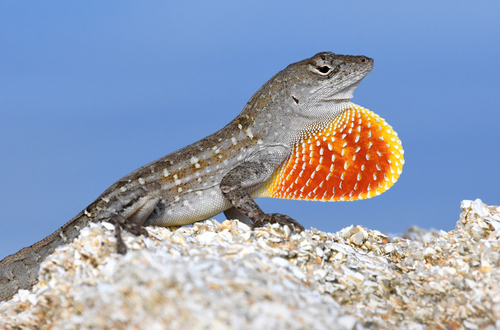
Hemidactylus frenatus
Hides within its dense foliage.
Los animales arborícolas viven principalmente en los árboles, utilizándolos como refugio, alimento y protección contra los depredadores.
Colorido describe a organismos u objetos que exhiben una amplia variedad de colores brillantes y distintivos.
Este rasgo caracteriza a los organismos cuya dieta consiste total o principalmente en material vegetal.
Los hábitats boscosos son entornos terrestres dominados por una densa cubierta arbórea, que sustentan una gran diversidad de vida animal y vegetal.

Los animales diurnos están activos principalmente durante el día y suelen descansar o dormir por la noche.
Peligro
1/5 · Muy bajo
Todavía no hay notas especiales de seguridad.
1500-2000 cm
Spring to fall
No
Leve
Perenne
Insectos
Tropical and subtropical rainforests, often climbing on trees and structures.
Acércate para separar los grupos y explorar dónde se ha fotografiado este objeto.
Los snaps recientes aparecerán aquí a medida que se añadan nuevas observaciones.

















_(6256923212).jpg&width=800)

