California bay
Umbellularia californica
The California bay tree is a tall, evergreen tree with shiny leaves that smell wonderful! It grows in California and is known for its tasty leaves that can be used in cooking.
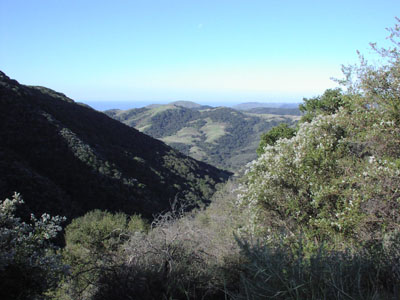
Hábitat: Forests
The California bay is an evergreen tree with dense, shiny, leathery dark green leaves that are long and pointed. Its small, greenish-yellow flowers grow in clusters, often appearing at the end of winter. The tree has smooth, grayish-brown bark.
Categoría
PlantasRareza
Common
Peligro
1/5 · Muy bajo
Snaps
¡Sé la primera persona en hacer un snap!
Native Americans roasted and ate its spicy nuts, tasting a bit like coffee!
Rubbing its leaves releases a strong, spicy scent that can clear a stuffy nose!
The California bay can live for hundreds of years, becoming a forest giant!
This tree's wood is so hard, it's called "Oregon Myrtle" and used for fancy bowls.
California bay has strongly aromatic leaves filled with pungent oils that help it deter hungry browsers.
California bay can survive dry spells with its deep root system and tough, leathery leaves that conserve water.
California bay can resprout vigorously from its base after fires, helping it recover quickly in its habitat.
Apis mellifera
Visits small flowers for nectar and pollen.

Sciurus griseus
Feeds on the tree's fleshy fruits and nuts.
Odocoileus hemionus
Browses on the leaves, especially new growth.
.jpg&width=800)
Pipilo maculatus
Nests and forages within the dense foliage.
Las plantas aromáticas producen y emiten compuestos orgánicos volátiles fragantes, a menudo como defensa o para atraer a los polinizadores.
Las plantas de hoja perenne conservan su follaje durante todo el año, sin perder nunca todas sus hojas a la vez.
Las flores fragantes emiten un aroma agradable, a menudo para atraer polinizadores o como defensa.
Los árboles de hoja ancha son angiospermas caracterizadas por hojas planas y anchas que típicamente se caen anualmente en climas templados.

Las plantas comestibles son aquellas partes de una planta que se consideran seguras para el consumo humano.

Este rasgo de uso humano indica especies de las cuales se derivan especias, utilizadas para dar sabor, conservar alimentos o como agentes aromáticos.

Los hábitats boscosos son entornos terrestres dominados por una densa cubierta arbórea, que sustentan una gran diversidad de vida animal y vegetal.
Todavía no hay alias listados.
Peligro
1/5 · Muy bajo
Don't eat any leaves without asking an adult first, even if they smell good!
300-4000 cm
200-1500 cm
1-2 cm
Late winter to early spring
Sí
Leve
Perenne
Insectos
Acércate para separar los grupos y explorar dónde se ha fotografiado este objeto.
Los snaps recientes aparecerán aquí a medida que se añadan nuevas observaciones.