.jpeg&width=800)





Coast Mole
Scapanus orarius
The Coast Mole is a small, furry animal that loves to dig tunnels in the ground. It has big front paws that help it move quickly underground, making it a great digger!
Hábitat: Coastal areas
The Coast Mole is a small, cylindrical mammal with incredibly soft, velvety dark grey fur that can lie flat in any direction. It has a pointed, pink snout for rooting and large, paddle-like front feet equipped with powerful claws. Its eyes are tiny and almost completely hidden within its fur, distinguishing it from shrews or mice.
Categoría
MamíferosRareza
Common
Peligro
1/5 · Muy bajo
Snaps
¡Sé la primera persona en hacer un snap!
A Coast Mole's powerful front paws are wider than its head!
Coast Moles can "swim" through loose soil almost like a fish in water.
Their saliva contains a toxin that can paralyze earthworms, storing them for later!
They build two kinds of tunnels: shallow feeding tunnels and deep sleeping burrows.
Coast Moles can tunnel through soil incredibly fast because of their strong, shovel-like front paws and claws that help them create elaborate underground networks.
The Coast Mole has unique velvety fur that can lay flat in any direction, helping it move forward or backward through narrow tunnels.
Coast Moles have a powerful sense of touch and smell in their sensitive snout, helping them find food and navigate in complete darkness.
They primarily munch on yummy worms and insects found hiding underground!
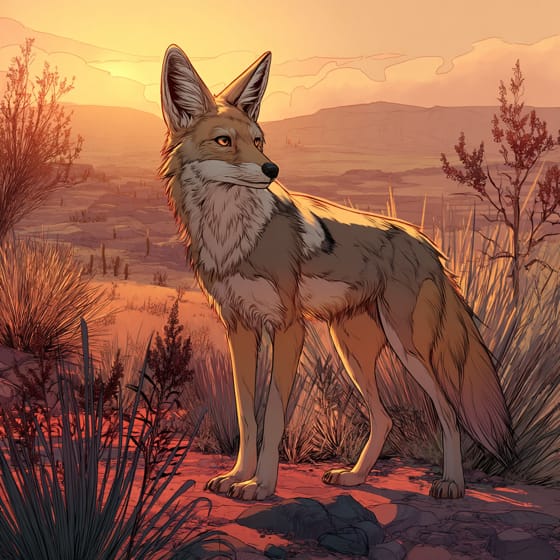
Canis latrans
Coyotes dig up moles when they hunt.
Bubo virginianus
Owls catch moles that venture above ground.
Lumbricus terrestris
Coast Moles feast on these wiggly treats.
Peludo describe a los animales que poseen una cubierta densa de pelo o pelaje suave.
Los animales solitarios viven solos durante la mayor parte de su vida y solo interactúan con otros para aparearse o cuidar de sus crías.
Los animales excavadores cavan túneles y cámaras en el suelo y utilizan estas estructuras subterráneas para refugiarse, cazar o reproducirse.
Este rasgo identifica a los organismos cuya dieta consiste principalmente en insectos y otros pequeños invertebrados.

Describe a los organismos que descomponen la materia orgánica muerta, reciclando los nutrientes de vuelta al ecosistema.

Los hábitats costeros son entornos dinámicos situados a lo largo de la interfaz entre la tierra y el mar, influenciados por las mareas, las olas y el agua salada.

Este rasgo identifica a los organismos que exhiben una rapidez excepcional en sus movimientos para cazar, escapar o desplazarse.
Todavía no hay alias listados.
Peligro
1/5 · Muy bajo
If you see a mole, watch it from a distance and don't try to touch it.
12-16 cm
0.06-0.1 kg
3-6 años
3 km/h
They primarily munch on yummy worms and insects found hiding underground!
Coastal areas
Foraging
2-5
Acércate para separar los grupos y explorar dónde se ha fotografiado este objeto.
Los snaps recientes aparecerán aquí a medida que se añadan nuevas observaciones.
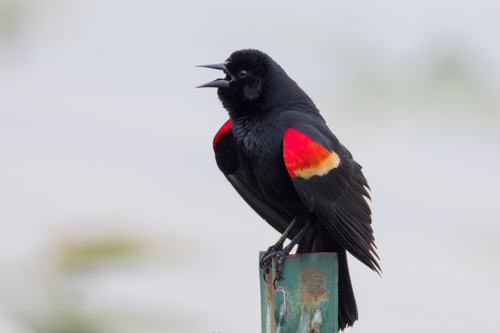
British Columbia, CA
Puedes ver Tordo Sargento, Golondrina Bicolor y Garza Azulada.
Ver guía →
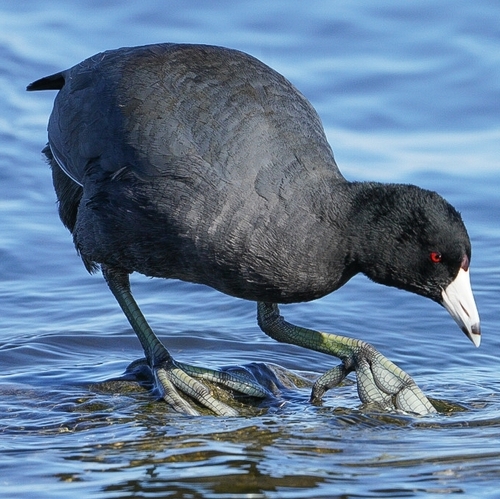
British Columbia, CA
Puedes ver American Coot, Pato y Barnacla Canadiense.
Ver guía →

British Columbia, CA
Puedes ver Western Skunk Cabbage, Devil's Club y Pacific Ninebark.
Ver guía →








.jpg&width=800)