






Columbian Ground Squirrel
Urocitellus columbianus
Columbian Ground Squirrels are playful little animals that live in the grasslands. They love to dig burrows and can often be seen playing with their friends in the sunshine.
Hábitat: Grasslands
The Columbian Ground Squirrel has a stocky body covered in grayish-tan fur, often mottled with darker spots that give it a speckled appearance. It features reddish-brown patches on its face and shoulders, and a relatively short, bushy tail that is darker on top. Its markings help it camouflage within rocky and grassy habitats.
Categoría
MamíferosRareza
Common
Peligro
1/5 · Muy bajo
Snaps
¡Sé la primera persona en hacer un snap!
Their underground burrows have special "escape tunnels" to trick predators!
These squirrels can get all the water they need just from eating juicy plants!
They have a special alarm call that tells other squirrels exactly what kind of danger is near!
They stuff their cheeks with food, carrying big meals back to their burrows!
Columbian Ground Squirrels can stand tall on their hind legs because this posture helps them survey their surroundings for predators.
Columbian Ground Squirrels can dig complex burrows because strong claws and front paws help them create safe underground homes.
Columbian Ground Squirrels can enter a deep sleep called hibernation that helps them survive cold winters without food.
These furry friends munch on plants, seeds, and even a few bugs!
Buteo jamaicensis
Red-tailed Hawks hunt ground squirrels from above.
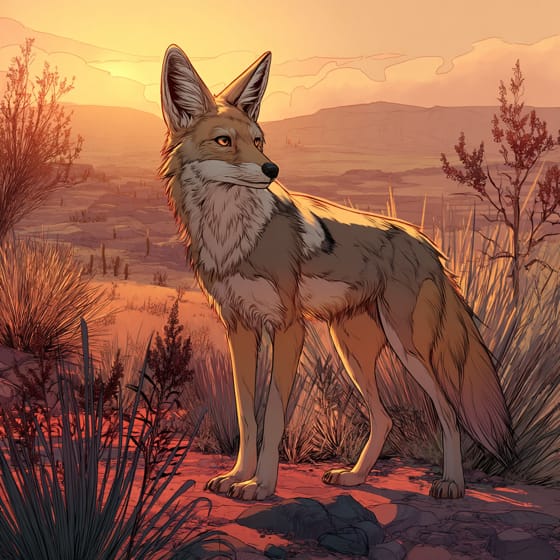
Canis latrans
Coyotes prey on squirrels, especially near burrows.

Mustela frenata
Weasels are agile enough to follow squirrels into their burrows.

Artemisia tridentata
Squirrels forage on seeds and leaves of sagebrush.
Poa pratensis
They graze on fresh shoots and seeds of grasses.
Peludo describe a los animales que poseen una cubierta densa de pelo o pelaje suave.
Los animales sociales viven en grupos organizados, cooperando para obtener beneficios de supervivencia como la búsqueda de alimento, la defensa y la cría de descendencia.
Los animales excavadores cavan túneles y cámaras en el suelo y utilizan estas estructuras subterráneas para refugiarse, cazar o reproducirse.
Este rasgo caracteriza a los organismos cuya dieta consiste total o principalmente en material vegetal.

Los hábitats de pastizales son biomas terrestres dominados por pastos y plantas herbáceas, que sustentan a una variedad de animales de pastoreo.

Los animales hibernantes entran en un estado de depresión metabólica durante períodos de frío o escasez de alimentos, caracterizado por una reducción de la temperatura corporal y la actividad.

Los animales diurnos están activos principalmente durante el día y suelen descansar o dormir por la noche.
Todavía no hay alias listados.
Peligro
1/5 · Muy bajo
Always watch from a distance and don't try to touch wild animals.
25-35 cm
0.3-0.8 kg
2-5 años
25 km/h
These furry friends munch on plants, seeds, and even a few bugs!
Grasslands
Foraging
3-6
Acércate para separar los grupos y explorar dónde se ha fotografiado este objeto.
Los snaps recientes aparecerán aquí a medida que se añadan nuevas observaciones.
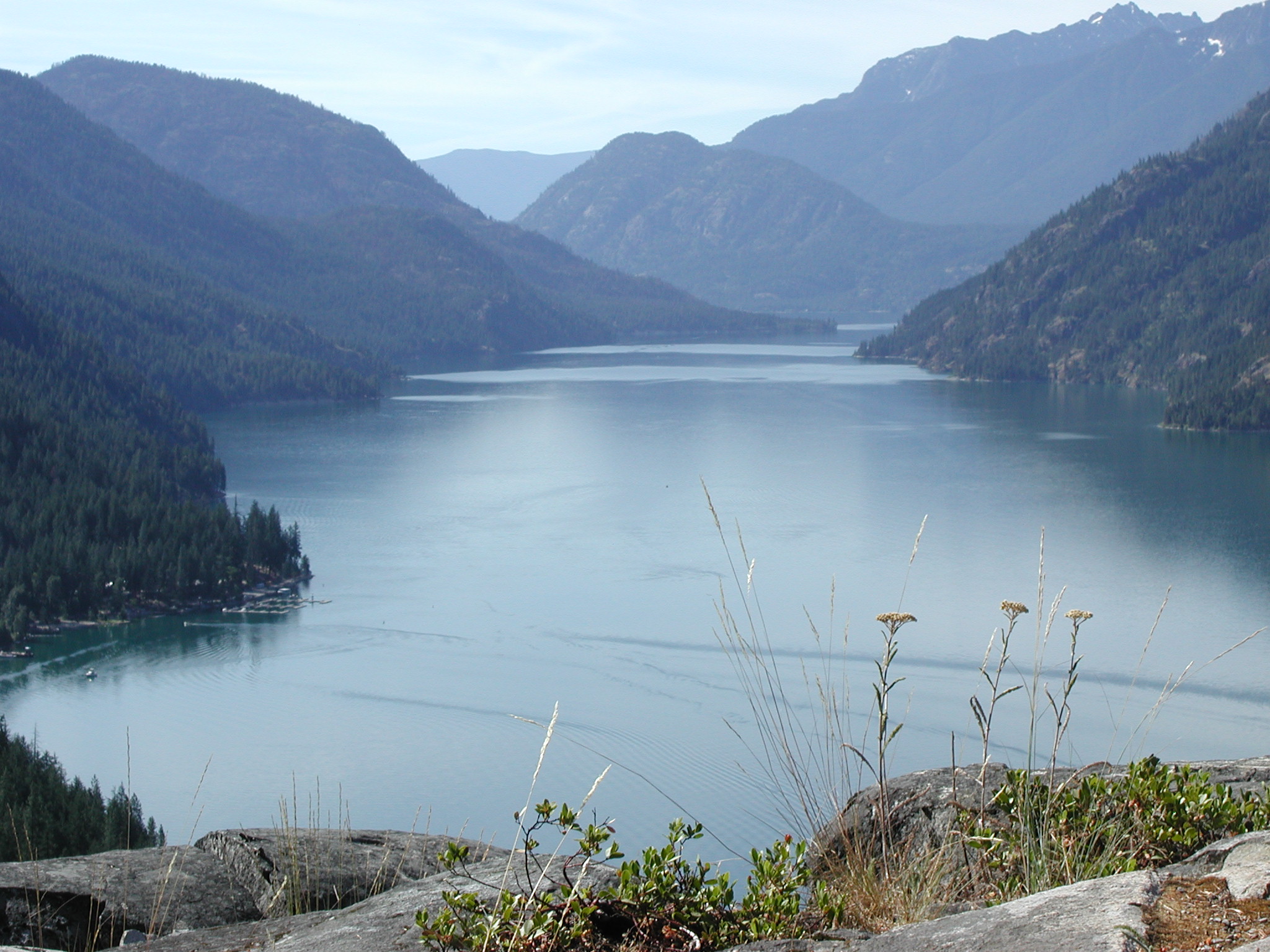
Washington, US
Puedes ver Lagartija Espinosa Del Oeste y Ciervo Mulo.
Ver guía →
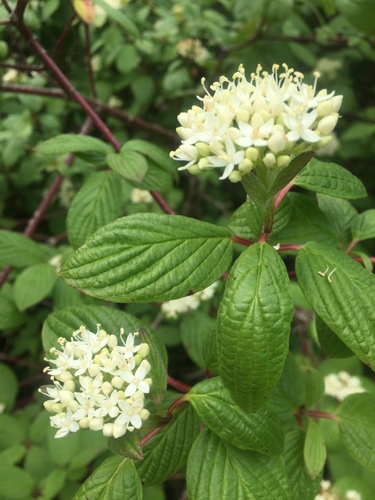
British Columbia, CA
Puedes ver Red Osier Dogwood, Pino Contorta y Common Juniper.
Ver guía →
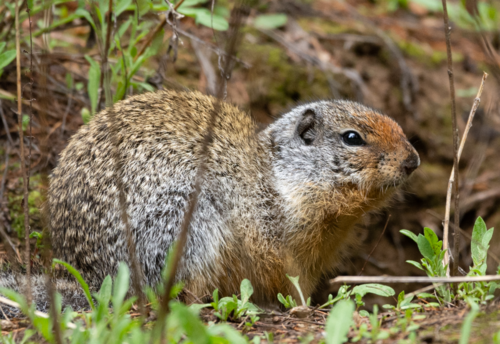
British Columbia, CA
Puedes ver Columbian Ground Squirrel y Spotted Knapweed.
Ver guía →
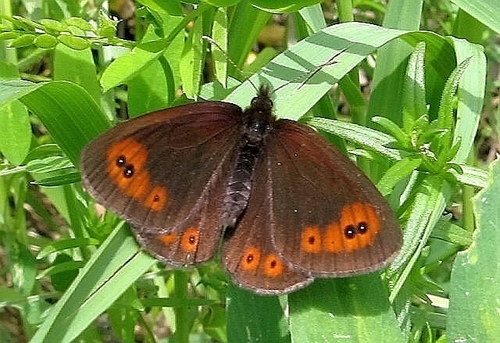
British Columbia, CA
Puedes ver Common Alpine, Common Juniper y Field Chickweed.
Ver guía →
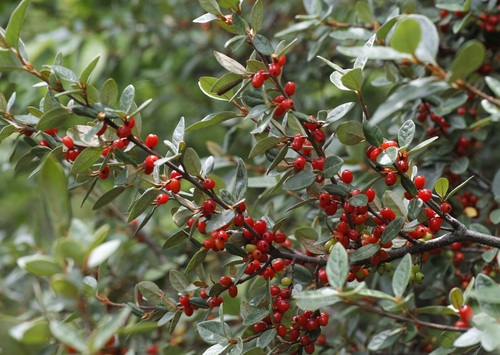
British Columbia, CA
Puedes ver Canadian Buffalo-Berry, Oregon Boxwood y Pacific Trillium.
Ver guía →
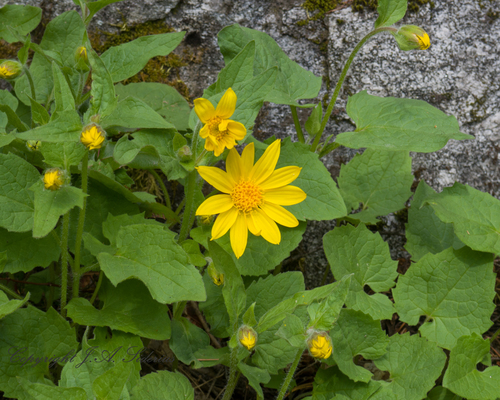
British Columbia, CA
Puedes ver Heartleaf Arnica, Abeto De Douglas y Oregon Grape.
Ver guía →

















