






Tamanduas
Tamandua
Tamanduas are fascinating animals that look like a mix between an anteater and a sloth! They have long tongues to eat ants and termites and love to climb trees in the rainforest.
Hábitat: Forests
The Tamanduas have a distinctive coat that varies from golden-brown to tan, often with a bold black "vest" pattern over their shoulders and back. They possess a long, tapered snout and small eyes, with strong, curved claws on their front feet. Their prehensile tail is hairless on the underside.
Categoría
MamíferosRareza
Common
Peligro
2/5 · Bajo
Snaps
¡Sé la primera persona en hacer un snap!
A tamandua's body temperature is one of the lowest among mammals!
Baby tamanduas often ride on their mother's back until they are too big!
Their powerful forelegs can even tear into tough termite mounds with ease!
They walk on the sides of their front feet to protect their long, sharp claws!
Tamanduas can climb trees and hang from branches using their strong claws and prehensile tail, which helps them forage safely.
Tamanduas has a super long (up to 40cm!), sticky tongue that helps them reach deep inside nests to eat insects.
Tamanduas can sniff out insect nests from far away using their excellent sense of smell, helping them find their next meal.
Tamanduas can release a strong, unpleasant smell when threatened, which helps them deter predators.
These furry foragers love to slurp up ants and termites with their long, sticky tongues!
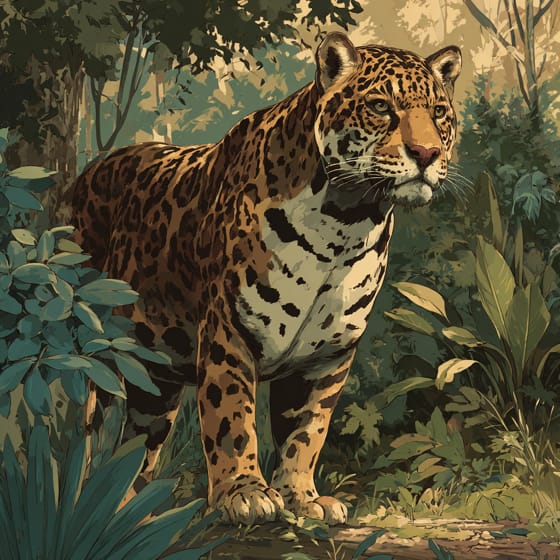
Panthera onca
Large cats are a major predator of tamanduas.
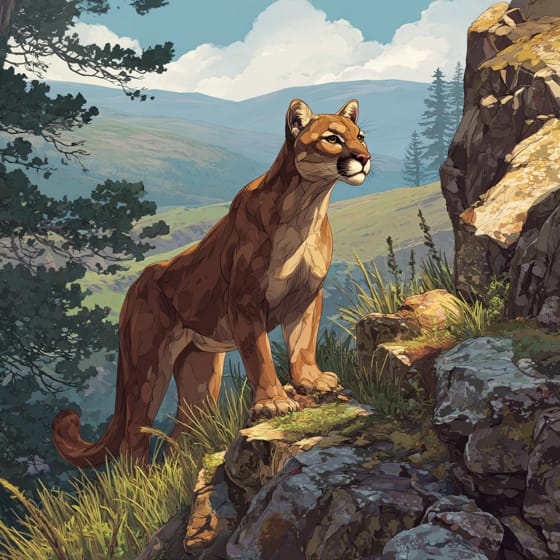
Puma concolor
Tamanduas are prey for pumas when on the ground.
Boa constrictor
Snakes like boas can prey on smaller tamanduas.
Atta cephalotes
Tamanduas regularly consume leaf-cutter ants.
Nasutitermes corniger
These termites are a frequent meal for tamanduas.
Peludo describe a los animales que poseen una cubierta densa de pelo o pelaje suave.
Los animales solitarios viven solos durante la mayor parte de su vida y solo interactúan con otros para aparearse o cuidar de sus crías.
Los animales arborícolas viven principalmente en los árboles, utilizándolos como refugio, alimento y protección contra los depredadores.
El camuflaje describe a los organismos que poseen colores o patrones que les permiten mezclarse con su entorno.

Este rasgo identifica a los organismos cuya dieta consiste principalmente en insectos y otros pequeños invertebrados.

Los hábitats boscosos son entornos terrestres dominados por una densa cubierta arbórea, que sustentan una gran diversidad de vida animal y vegetal.

Este rasgo de hábitat se refiere a las especies que se encuentran en las selvas tropicales, caracterizadas por una alta precipitación anual, gran biodiversidad y una densa cubierta arbórea.

Los animales nocturnos están principalmente activos durante la noche, y suelen descansar o dormir durante el día.

El estado de peligro de extinción indica que una especie corre un riesgo muy alto de extinguirse en estado silvestre en un futuro próximo.
Peligro
2/5 · Bajo
Tamanduas are wild animals, so it's best to watch them from a distance and not try to touch them.
70-160 cm
1.5-8.5 kg
9-16 años
15 km/h
These furry foragers love to slurp up ants and termites with their long, sticky tongues!
Forests
Foraging
1
Acércate para separar los grupos y explorar dónde se ha fotografiado este objeto.
Los snaps recientes aparecerán aquí a medida que se añadan nuevas observaciones.







.jpeg&width=800)







