.jpg&width=800)





Comb Duck
Sarkidiornis sylvicola
The Comb Duck is a unique bird with a big, fluffy crest on its head. It loves to swim in wetlands and can often be seen waddling around looking for food.
Hábitat: Wetlands
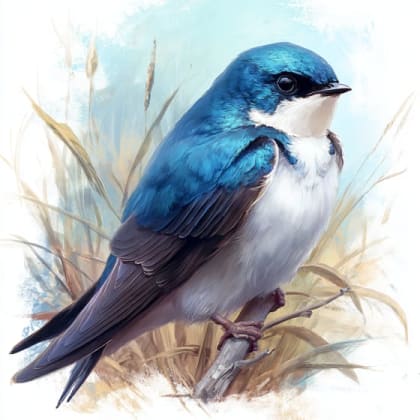
The Comb Duck is a large duck with iridescent blue-black upperparts and a contrasting white belly. Males have a distinctive, large, fleshy black knob (or 'comb') on their bill, making them stand out from females and other ducks.
Categoría
AvesRareza
Common
Peligro
1/5 · Muy bajo
Snaps
¡Sé la primera persona en hacer un snap!
A group of Comb Ducks can be called a 'paddling' or 'raft' when on water!
Comb Ducks sometimes lay their eggs in the nests of other bird species!
Despite being ducks, they prefer to build their nests in tree cavities or abandoned nests.
Its unique comb swells up and becomes even more colorful when it's time to find a partner!
Comb Duck males have a unique fleshy comb that helps them attract mates during the breeding season.
Comb Ducks can swim gracefully and dive efficiently for food, using strong webbed feet to navigate wetlands.
This duck often perches in trees, an unusual trait for many duck species, helping them scan for danger.
This duck eats a mix of yummy aquatic plants, seeds, and small water creatures.
Diferencias por edad: Ducklings initially eat more protein-rich insects, shifting towards more plant matter as adults.
Alligator mississippiensis
Large reptiles prey on ducklings and adult Comb Ducks.
Haliaeetus leucocephalus
Large raptors can catch ducks from the sky or water.
Nymphaea alba
Feeds on seeds and vegetative parts of aquatic plants.
Typha latifolia
Provides nesting cover and foraging areas in wetland habitats.
Se caracteriza por tener los dedos conectados por una membrana, lo que generalmente ayuda a nadar.
Crestado describe a los animales que poseen un mechón prominente de plumas, pelo o piel en la cabeza.
Los animales sociales viven en grupos organizados, cooperando para obtener beneficios de supervivencia como la búsqueda de alimento, la defensa y la cría de descendencia.
Este rasgo identifica organismos cuya dieta incluye tanto materia vegetal como animal.

Los filtradores obtienen nutrientes filtrando partículas de alimentos suspendidos y pequeños organismos del agua.

Este rasgo de hábitat identifica especies que se encuentran en humedales, que son áreas de tierra saturadas de agua, ya sea permanente o estacionalmente, e incluyen marismas, pantanos y ciénagas.

Los animales diurnos están activos principalmente durante el día y suelen descansar o dormir por la noche.
Peligro
1/5 · Muy bajo
Enjoy watching birds from a distance and don't try to touch them.
56-76 cm
116-142 cm
0.6-2.9 kg
10-15 años
75 km/h
This duck eats a mix of yummy aquatic plants, seeds, and small water creatures.
Wetlands
Foraging
Acércate para separar los grupos y explorar dónde se ha fotografiado este objeto.
Los snaps recientes aparecerán aquí a medida que se añadan nuevas observaciones.