






Common Alpine
Erebia epipsodea
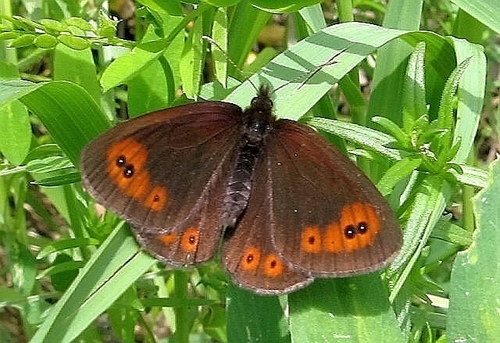
The Common Alpine is a beautiful butterfly that loves to flutter around in the mountains. With its dark wings and orange spots, it looks like a tiny piece of art flying through the air!
Hábitat: Mountain regions
The Common Alpine is a medium-sized butterfly, typically dark brown with an orange-brown submarginal band on its wings. It often has prominent black eyespots, sometimes with white pupils, on its forewings. Its drab colors help it blend into rocky, high-altitude environments.
Categoría
InsectosRareza
Common
Peligro
1/5 · Muy bajo
Snaps
¡Sé la primera persona en hacer un snap!
Adult Common Alpines only live for about two weeks, making every moment precious!
Its caterpillar stage spends winter frozen in the snow before becoming a butterfly!
Some people call them 'browns' because of their earthy, camouflaged wing colors.
You can often find them above the tree line, where few other butterflies dare to fly!
Common Alpine can fly in cooler mountain temperatures that help them stay active when other butterflies hide.
Common Alpine has dark wings and patterns that help them blend perfectly into the rocky alpine landscape, avoiding predators.
Common Alpine can perform a low, bouncy flight pattern that helps them navigate windy mountain slopes more easily.
Adults sip sweet nectar from flowers, while caterpillars munch on grassy plants.
Diferencias por edad: Larvae primarily consume grasses and other low-growing plants, while adults feed exclusively on flower nectar.
Poa pratensis
Caterpillars feed on its leaves for growth.
Erigeron speciosus
Adult butterflies sip nectar from its blossoms.
Cyanocitta cristata
Birds sometimes prey on unwary butterflies.
Marcado con manchas o parches de un color diferente.
Los animales solitarios viven solos durante la mayor parte de su vida y solo interactúan con otros para aparearse o cuidar de sus crías.
El camuflaje describe a los organismos que poseen colores o patrones que les permiten mezclarse con su entorno.
Colorido describe a organismos u objetos que exhiben una amplia variedad de colores brillantes y distintivos.

Este rasgo caracteriza a los organismos cuya dieta consiste total o principalmente en material vegetal.

Describe plantas que son particularmente atractivas y beneficiosas para una amplia variedad de organismos polinizadores.

Este rasgo de hábitat identifica a las especies que se encuentran en regiones montañosas, caracterizadas por su gran altitud, pendientes pronunciadas y zonas climáticas variables.

Los animales diurnos están activos principalmente durante el día y suelen descansar o dormir por la noche.

Describe organismos que transfieren polen, permitiendo la fertilización y reproducción de las plantas.
Todavía no hay alias listados.
Peligro
1/5 · Muy bajo
Be gentle and quiet around butterflies so you don't scare them away.
40-50 mm
15-20 mm
7-14 días
10 km/h
Adults sip sweet nectar from flowers, while caterpillars munch on grassy plants.
Mountain regions
Foraging
6
Acércate para separar los grupos y explorar dónde se ha fotografiado este objeto.
Los snaps recientes aparecerán aquí a medida que se añadan nuevas observaciones.




_1.jpg&width=800)






