






Common Barklice
psocidae
Common Barklice are tiny insects that love to live on trees and shrubs! They are very good at blending in with their surroundings, making them fun to spot!
Hábitat: They live on tree bark, leaves, and sometimes on plants in gardens.
The Common Barklice is a tiny, soft-bodied insect, typically pale grey or yellowish-brown. It often has two pairs of delicate, membranous wings, which may be clear or faintly patterned, held roof-like over its back.
Categoría
InsectosRareza
Common
Peligro
0/5 · Sin peligro conocido
Snaps
¡Sé la primera persona en hacer un snap!
Barklice existed over 200 million years ago, making them older than dinosaurs!
Many barklice gather in large groups, looking like tiny moving patches on tree bark.
Some female barklice don't need a mate; they can lay eggs all by themselves!
They have special mouthparts that scrape tiny bits of food from tree surfaces.
Common Barklice can spin tiny silken webs because of specialized glands that help them create protective shelters on tree bark.
Some Common Barklice species can leap away quickly when startled, helping them avoid predators by making a surprising escape.
Common Barklice have mottled bodies and wings that help them blend perfectly with tree bark, making them nearly invisible to hungry birds.
These tiny insects are cleaners, munching on fungi, algae, and dead plant matter on trees!
Araneus diadematus
Its silk webs often trap barklice, making them an easy meal.
Chrysoperla carnea
Its larvae are hungry predators of soft-bodied insects like barklice.
Poecile atricapillus
Tiny birds like chickadees forage on tree bark for these small insects.
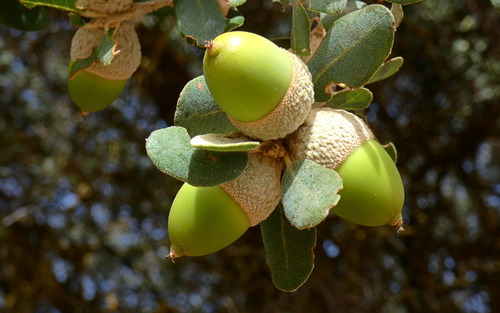
Quercus alba
Barklice find food and hiding spots on the bark of oak trees.
Los animales sociales viven en grupos organizados, cooperando para obtener beneficios de supervivencia como la búsqueda de alimento, la defensa y la cría de descendencia.
El camuflaje describe a los organismos que poseen colores o patrones que les permiten mezclarse con su entorno.
Este rasgo caracteriza a los organismos cuya dieta consiste total o principalmente en material vegetal.
Los hábitats boscosos son entornos terrestres dominados por una densa cubierta arbórea, que sustentan una gran diversidad de vida animal y vegetal.

Los animales diurnos están activos principalmente durante el día y suelen descansar o dormir por la noche.
Peligro
0/5 · Sin peligro conocido
Todavía no hay notas especiales de seguridad.
4-8 mm
2-4 mm
30-90 días
0.1-0.5 km/h
These tiny insects are cleaners, munching on fungi, algae, and dead plant matter on trees!
They live on tree bark, leaves, and sometimes on plants in gardens.
Foraging
6
Acércate para separar los grupos y explorar dónde se ha fotografiado este objeto.
Los snaps recientes aparecerán aquí a medida que se añadan nuevas observaciones.










_Chromatopelma_cyaneopubescens_-_Venezuela_-_Female.jpg&width=800)


