






common buckthorn
Rhamnus cathartica
Common buckthorn is a bushy plant with dark green leaves and small black berries. It grows in many places and can be found in gardens and along roadsides.
Hábitat: Urban areas
The common buckthorn is a tall, often multi-stemmed shrub or small tree with dark, ridged bark and small, oval, glossy dark green leaves. Its inconspicuous greenish-yellow flowers give way to clusters of small, black, berry-like fruits.
Categoría
PlantasRareza
Common
Peligro
2/5 · Bajo
Snaps
¡Sé la primera persona en hacer un snap!
Cut into its bark and you'll discover a secret bright orange layer underneath!
It sprouts leaves earlier and keeps them longer, hogging sunlight from nearby plants!
Its berries are like a natural laxative! Eating too many can cause an upset tummy.
This super tough plant can grow almost anywhere, from fields to deep forests!
Common buckthorn can rapidly spread across landscapes because its abundant berries are readily consumed and dispersed by birds.
Common buckthorn leaves emerge early and stay late, giving it a longer season to outcompete native plants.
Common buckthorn has sharp thorns at the end of its branches, which helps it defend against hungry herbivores.
Turdus migratorius
Consumes berries, spreading seeds far and wide.
Bombycilla cedrorum
Feeds on ripe berries, helping the plant disperse.
Apis mellifera
Visits its small flowers for nectar and pollen.
Las plantas caducifolias pierden periódicamente todas sus hojas, por lo general durante el otoño o las estaciones secas.
Un arbusto es una planta leñosa más pequeña que un árbol, típicamente con múltiples tallos que se ramifican desde o cerca del suelo.
Las plantas frutales producen frutos, que son los ovarios maduros de las plantas con flores que contienen semillas.
Se refiere a las plantas que tienen tallos cubiertos de proyecciones puntiagudas y afiladas para defenderse.

Este rasgo de uso humano indica especies de las cuales se pueden extraer tintes naturales para colorear textiles, alimentos u otros materiales.

Describe plantas que son particularmente atractivas y beneficiosas para una amplia variedad de organismos polinizadores.

Esta característica de hábitat indica especies que pueden coexistir con los humanos en entornos urbanos y suburbanos, utilizando estructuras artificiales y espacios verdes.

Las especies invasoras son organismos no nativos que causan daños al medio ambiente, la economía o la salud humana.
Todavía no hay alias listados.
Peligro
2/5 · Bajo
Don't eat the berries without asking an adult, as they can upset your tummy.
300-760 cm
300-450 cm
0.3-0.5 cm
Late spring to early summer
No
Moderada
Perenne
Insectos
Acércate para separar los grupos y explorar dónde se ha fotografiado este objeto.
Los snaps recientes aparecerán aquí a medida que se añadan nuevas observaciones.

New York, US
Puedes ver Gaviota De Delaware, Barnacla Canadiense y Rough Cocklebur.
Ver guía →
_end_July_2012.jpg)
Massachusetts, US
Puedes ver Great Egret, Eastern Redcedar y águila Pescadora.
Ver guía →
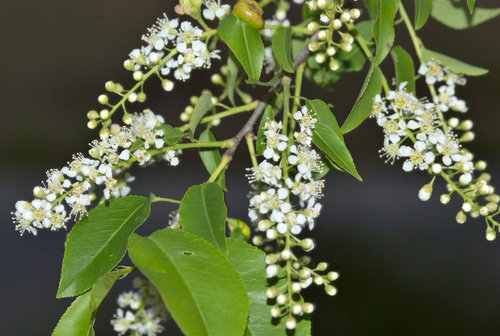
New York, US
Puedes ver Cerezo Negro y Allegheny Mountain Dusky Salamander.
Ver guía →

Louisiana, US
Puedes ver Sharp-Lobed Hepatica y Purple-Flowered Raspberry.
Ver guía →
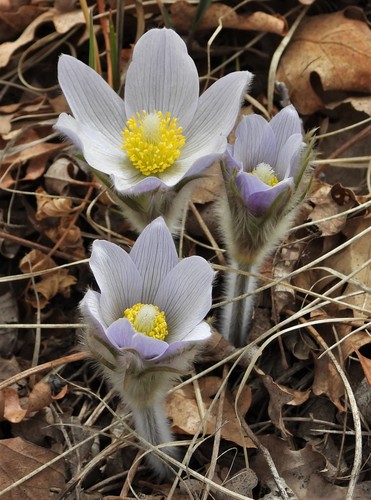
South Dakota, US
Puedes ver Prairie Pasqueflower, Common Buckthorn y Tatarian Honeysuckle.
Ver guía →
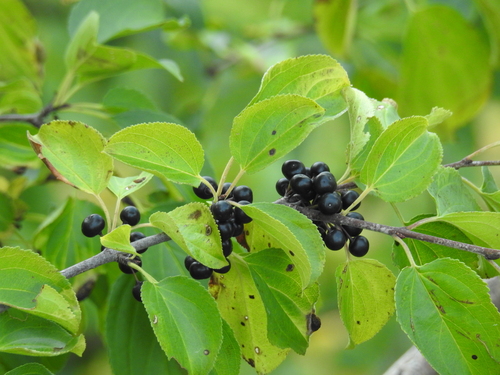
Michigan, US
Puedes ver Common Buckthorn, False Indigo Bush y Honey Locusts.
Ver guía →












.jpg&width=800)





