Common Coral Slime
ceratiomyxa fruticulosa
The Common Coral Slime is a fascinating organism that looks like colorful coral under the forest floor! Kids will love discovering its unique shapes and vibrant colors during nature walks.
Hábitat: Damp, shaded areas of forests, especially on decaying wood and leaf litter.
The Common Coral Slime is a striking white or sometimes yellowish-pink, coral-like growth. It features delicate, branched, finger-like structures with a waxy or gummy texture, often forming dense patches on its substrate.
Categoría
HongosRareza
Common
Peligro
0/5 · Sin peligro conocido
Snaps
¡Sé la primera persona en hacer un snap!
Each tiny, finger-like branch of the slime mold is covered in microscopic spores!
It's not a true fungus, but a "protist"—a distinct group of life with unique features!
Its scientific name, Ceratiomyxa fruticulosa, roughly means "horned slime berry."
This slime mold looks like miniature white coral growing on dead wood.
Common Coral Slime has unique stalk-less spores that grow directly on its branching surface, which helps them spread easily in moist environments.
Common Coral Slime can move slowly across surfaces as a jelly-like plasmodium to find food before forming its coral-like structures.
Common Coral Slime helps break down dead plant material like logs and leaves, turning waste into vital nutrients for the forest floor.
Pseudomonas fluorescens
Its plasmodium consumes these bacteria.
Fagus grandifolia
Grows on decaying wood and leaf litter.
Arion rufus
Slugs and other invertebrates sometimes graze on its fruiting bodies.
Los animales solitarios viven solos durante la mayor parte de su vida y solo interactúan con otros para aparearse o cuidar de sus crías.
Colorido describe a organismos u objetos que exhiben una amplia variedad de colores brillantes y distintivos.
Los hábitats boscosos son entornos terrestres dominados por una densa cubierta arbórea, que sustentan una gran diversidad de vida animal y vegetal.
Describe a los organismos que descomponen la materia orgánica muerta, reciclando los nutrientes de vuelta al ecosistema.

Los hábitats acuáticos abarcan entornos donde los organismos viven principalmente en el agua, incluidos océanos, ríos, lagos y humedales.
Peligro
0/5 · Sin peligro conocido
Todavía no hay notas especiales de seguridad.
1-2 cm
inedible
Damp, shaded areas of forests, especially on decaying wood and leaf litter.
wood, leaf litter
Year-round (favors damp conditions)
White
Acércate para separar los grupos y explorar dónde se ha fotografiado este objeto.
Los snaps recientes aparecerán aquí a medida que se añadan nuevas observaciones.

Virginia, US
Puedes ver Pato, Pato Joyuyo y Chlorosplenium Chlora.
Ver guía →
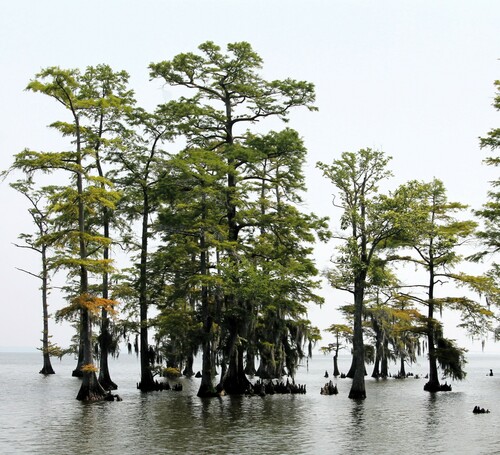
Tennessee, US
Puedes ver Cipreses Calvos, Plain-Bellied Watersnake y Water Tupelo.
Ver guía →
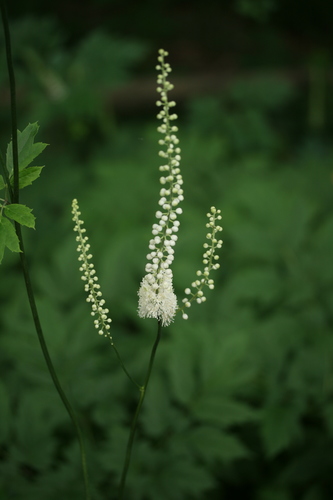
Virginia, US
Puedes ver Black Cohosh, Common Coral Slime y Rue Anemone.
Ver guía →