



Common Earthball
scleroderma citrinum
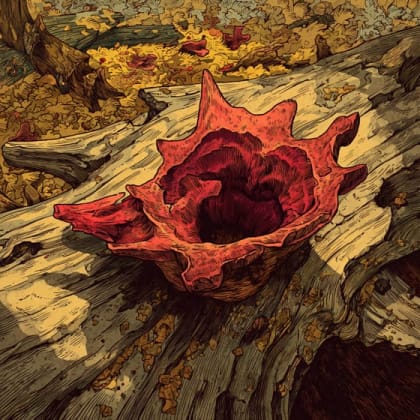
The Common Earthball is a round, spongy fungus that can be found on the forest floor! Its unique shape makes it look like a little ball just waiting to be discovered during your outdoor adventures.
Hábitat: Forests, grasslands, and sometimes gardens.
The Common Earthball is a firm, round fungus, typically 3-10 cm wide. It has a yellowish-brown, warty or scaly outer skin, making it look like a tough, bumpy potato. Inside, it's firm and white when young, turning dark purple-brown and powdery as it matures.
Categoría
HongosRareza
Common
Peligro
2/5 · Bajo
Snaps
¡Sé la primera persona en hacer un snap!
Its warty skin makes it look like a tiny, bumpy alien planet.
Stepping on a ripe one can make a puff of "smoke"!
They are NOT edible puffballs; they are poisonous!
Young earthballs smell a bit like rubber or chemicals!
Common Earthball can release millions of powdery spores when disturbed, helping them spread far and wide.
Common Earthball has a hidden network that helps trees absorb water and nutrients, making forests healthier.

Quercus robur
Helps oak trees get water and nutrients from the soil.
Pinus sylvestris
Forms beneficial root connections, aiding pine tree growth.

Arion ater
Slugs occasionally nibble on its developing fruiting body.
Pterostichus melanarius
Some beetles might feed on its decomposing tissues.
Marcado con manchas o parches de un color diferente.
Los animales solitarios viven solos durante la mayor parte de su vida y solo interactúan con otros para aparearse o cuidar de sus crías.
Los hábitats boscosos son entornos terrestres dominados por una densa cubierta arbórea, que sustentan una gran diversidad de vida animal y vegetal.
Describe a los organismos que descomponen la materia orgánica muerta, reciclando los nutrientes de vuelta al ecosistema.
Peligro
2/5 · Bajo
Do not touch or eat wild mushrooms without adult supervision.
poisonous
3-10 cm
Forests, grasslands, and sometimes gardens.
soil
Verano a otoño
Olive-brown to purplish-brown
Acércate para separar los grupos y explorar dónde se ha fotografiado este objeto.
Los snaps recientes aparecerán aquí a medida que se añadan nuevas observaciones.