






Common Eland
Tragelaphus oryx
The Common Eland is a large antelope with long, spiraled horns. They are gentle giants that love to roam the grasslands and savannas of Africa, often seen in herds.
Hábitat: Savannas
The Common Eland is a massive antelope with a tawny, tan, or grey-brown coat, often adorned with faint vertical white stripes. Males develop a prominent dewlap and a forehead tuft. Both sexes sport impressive spiral horns.
Categoría
MamíferosRareza
Common
Peligro
2/5 · Bajo
Snaps
¡Sé la primera persona en hacer un snap!
Common Elands are the world's largest antelope!
Even young calves are born with tiny horns already forming.
Their impressive spiral horns can grow over a meter long!
They make a unique clicking sound when they walk, caused by their hooves!
Common Eland can leap surprisingly high, clearing obstacles because of their powerful legs.
Common Eland can speak in 'rumble code' using very low sounds that help them talk across distances.
A giant herbivore that loves munching on leaves, shoots, and fresh grasses.
Panthera leo
Lions often hunt young or sick elands.
Crocuta crocuta
Hyenas target calves and weak elands.
Acacia tortilis
They browse on its leaves and pods.
Los animales sociales viven en grupos organizados, cooperando para obtener beneficios de supervivencia como la búsqueda de alimento, la defensa y la cría de descendencia.
Se caracteriza por tener una o más proyecciones duras, permanentes y puntiagudas en la cabeza.
Este rasgo caracteriza a los organismos cuya dieta consiste total o principalmente en material vegetal.
Los hábitats de pastizales son biomas terrestres dominados por pastos y plantas herbáceas, que sustentan a una variedad de animales de pastoreo.

Este rasgo de hábitat denota especies nativas de las sabanas, que son pastizales con árboles dispersos, típicamente encontrados en regiones tropicales o subtropicales con estaciones secas y húmedas marcadas.

Los animales diurnos están activos principalmente durante el día y suelen descansar o dormir por la noche.

Este rasgo identifica a los organismos que exhiben una rapidez excepcional en sus movimientos para cazar, escapar o desplazarse.

Gigante describe organismos u objetos de un tamaño significativamente mayor al promedio de su especie o tipo.
Todavía no hay alias listados.
Peligro
2/5 · Bajo
Always watch from a distance and never try to touch wild animals like elands.
200-340 cm
300-1000 kg
15-20 años
70 km/h
A giant herbivore that loves munching on leaves, shoots, and fresh grasses.
Savannas
Foraging
1
Acércate para separar los grupos y explorar dónde se ha fotografiado este objeto.
Los snaps recientes aparecerán aquí a medida que se añadan nuevas observaciones.

Tennessee, US
Puedes ver Parachromis Managuensis, Jirafas y Common Ostrich.
Ver guía →

Spain, ES
Puedes ver Bisonte Europeo, Elefante Asiático y Tigre.
Ver guía →
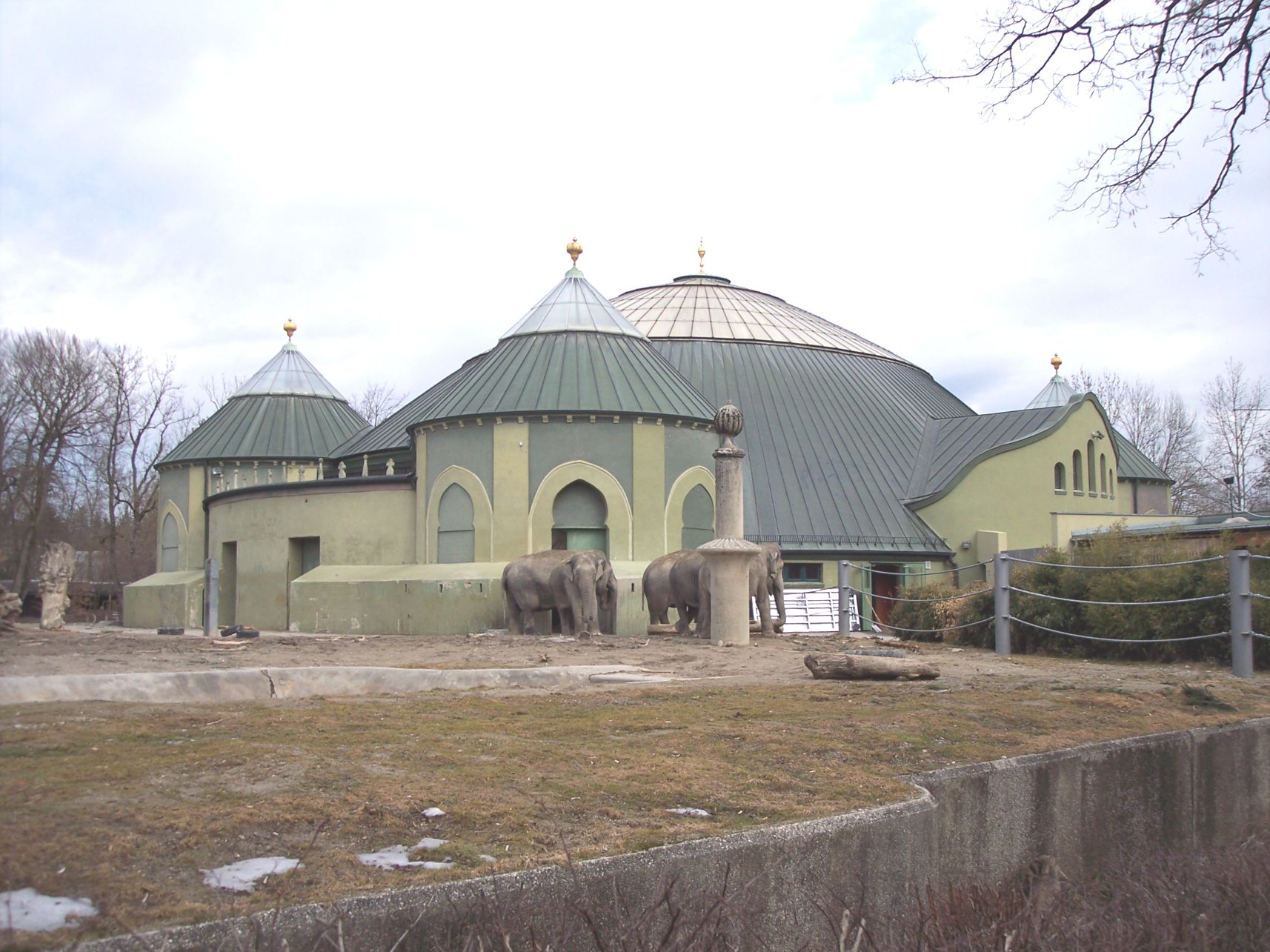
Bavaria, DE
Puedes ver León Africano, Arachnida y Insect.
Ver guía →

Occitania, FR
Puedes ver Guepardos, Camello y Emú.
Ver guía →

Spain, ES
Puedes ver Panda Gigante, Panda Rojo y Elefante Asiático.
Ver guía →












.JPG&width=800)


