






Common Gallinule
Gallinula galeata
The Common Gallinule is a fun bird that loves to swim and walk around wetlands. It has a colorful body and a funny, loud call that sounds like a squeaky toy!
Hábitat: Wetlands
The Common Gallinule is a medium-sized water bird with a slate-gray body, a striking bright red frontal shield extending onto its yellow-tipped bill, and a distinct white stripe along its flanks. Its long, greenish-yellow legs lack webbing, setting it apart from true coots.
Categoría
AvesRareza
Common
Peligro
1/5 · Muy bajo
Snaps
¡Sé la primera persona en hacer un snap!
Despite their long toes, they are excellent swimmers, paddling their unwebbed feet rapidly.
Gallinules make a loud "krrruck" call, sounding like a chicken clucking near the water.
Its babies have a tiny claw on their wing, like a dinosaur, to help them climb!
They build floating nests anchored to plants, rising and falling with water levels.
Common Gallinule has super long toes and unwebbed feet that help them walk right on top of floating lily pads and plants.
Common Gallinule can dive underwater for up to 30 seconds because of its strong leg muscles, helping them hide from predators.
Common Gallinule uses a unique head-bobbing motion that helps them signal intentions to other gallinules, especially during courtship.
These omnivores eat a mix of plants, insects, and small aquatic creatures!
Diferencias por edad: Young gallinules eat more insects for protein to help them grow quickly.
Haliaeetus leucocephalus
Large raptors prey on adult gallinules and their chicks.
Micropterus salmoides
Large fish often eat gallinule eggs and young chicks.

Typha latifolia
Dense cattails provide crucial nesting and hiding cover.
Se caracteriza por tener los dedos conectados por una membrana, lo que generalmente ayuda a nadar.
Los animales sociales viven en grupos organizados, cooperando para obtener beneficios de supervivencia como la búsqueda de alimento, la defensa y la cría de descendencia.
Este rasgo identifica organismos cuya dieta incluye tanto materia vegetal como animal.
Colorido describe a organismos u objetos que exhiben una amplia variedad de colores brillantes y distintivos.

Este rasgo de hábitat identifica especies que se encuentran en humedales, que son áreas de tierra saturadas de agua, ya sea permanente o estacionalmente, e incluyen marismas, pantanos y ciénagas.

Los hábitats de agua dulce incluyen entornos acuáticos no salinos como ríos, lagos, estanques y humedales, vitales para numerosas especies.

Los animales diurnos están activos principalmente durante el día y suelen descansar o dormir por la noche.
Peligro
1/5 · Muy bajo
Always watch birds from a distance and don't try to touch or chase them.
30-38 cm
50-60 cm
0.2-0.5 kg
2-9 años
50 km/h
These omnivores eat a mix of plants, insects, and small aquatic creatures!
Wetlands
Foraging
Acércate para separar los grupos y explorar dónde se ha fotografiado este objeto.
Los snaps recientes aparecerán aquí a medida que se añadan nuevas observaciones.
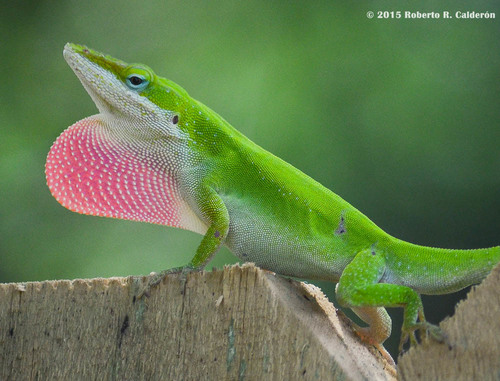
Florida, US
Puedes ver Anolis Verde, Common Gallinule y White Beggarticks.
Ver guía →

Georgia, US
Puedes ver Red-Headed Woodpecker y American White Waterlily.
Ver guía →
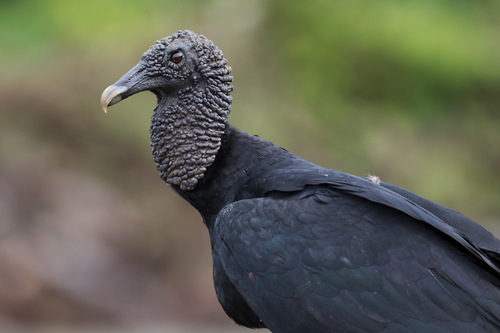
Florida, US
Puedes ver Zopilote Negro, Caimán Americano y Iguana Verde.
Ver guía →
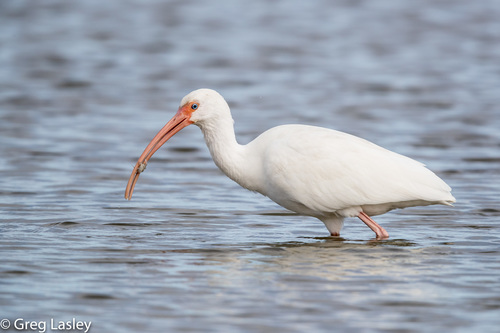
Florida, US
Puedes ver White Ibis, White Beggarticks y Anolis Castaño.
Ver guía →
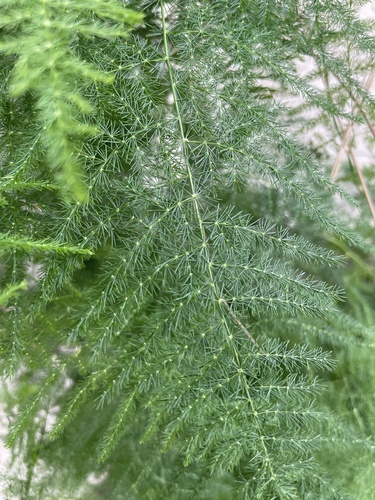
Florida, US
Puedes ver Common Asparagus Fern, Great Egret y Cipreses Calvos.
Ver guía →




.jpg&width=800)











