






Red-bellied Woodpecker
Melanerpes carolinus
The Red-bellied Woodpecker is a colorful bird with a bright red cap and a lovely belly. They love to drum on trees to find bugs and make their homes in the wood.
Hábitat: Forests
The Red-bellied Woodpecker has a distinctive black and white barred 'ladder-back' pattern on its wings and back. Males sport a striking red cap extending from forehead to nape, while females only have red on the nape. Its belly often shows only a faint reddish wash, which can be hard to spot.
Categoría
AvesRareza
Common
Peligro
1/5 · Muy bajo
Snaps
¡Sé la primera persona en hacer un snap!
Their "red belly" is often just a pale blush, tricky to spot!
Their unique skull absorbs pecking shock, protecting their brain!
They sometimes steal food from other bird's nests, even eggs!
This bird's stiff tail feathers act like a tripod for climbing trees!
Red-bellied Woodpecker has a long, barbed tongue that helps them reach deep into tree crevices to extract hidden insects.
Red-bellied Woodpecker can store acorns and nuts in tree bark because of their strong bill, helping them save food for later.
Red-bellied Woodpecker can rapidly tap their beak on trees and metal objects to communicate with other woodpeckers or claim territory.
These busy birds are omnivores, eating bugs, nuts, seeds, and fruits found in trees.
Quercus alba
Provides acorns for food and nesting sites.
Accipiter cooperii
A common aerial predator of smaller birds.

Carya ovata
Pecks into bark for insects and uses cavities for nests.
Describe a los animales, principalmente aves, que poseen una cubierta de plumas.
Los animales sociales viven en grupos organizados, cooperando para obtener beneficios de supervivencia como la búsqueda de alimento, la defensa y la cría de descendencia.
Los animales arborícolas viven principalmente en los árboles, utilizándolos como refugio, alimento y protección contra los depredadores.
Colorido describe a organismos u objetos que exhiben una amplia variedad de colores brillantes y distintivos.

Este rasgo identifica a los organismos cuya dieta consiste principalmente en insectos y otros pequeños invertebrados.

Esta característica describe a los organismos que manipulan objetos externos para lograr un objetivo específico.

Los hábitats boscosos son entornos terrestres dominados por una densa cubierta arbórea, que sustentan una gran diversidad de vida animal y vegetal.

Los animales diurnos están activos principalmente durante el día y suelen descansar o dormir por la noche.
Todavía no hay alias listados.
Peligro
1/5 · Muy bajo
Enjoy watching birds from a distance and don't disturb their nests.
22-26 cm
38-46 cm
0.056-0.091 kg
2-12 años
40 km/h
These busy birds are omnivores, eating bugs, nuts, seeds, and fruits found in trees.
Forests
Foraging
Acércate para separar los grupos y explorar dónde se ha fotografiado este objeto.
Los snaps recientes aparecerán aquí a medida que se añadan nuevas observaciones.

Maryland, US
Puedes ver Garza Azulada, Azulejo Oriental y Ciervo De Cola Blanca.
Ver guía →
New Jersey, US
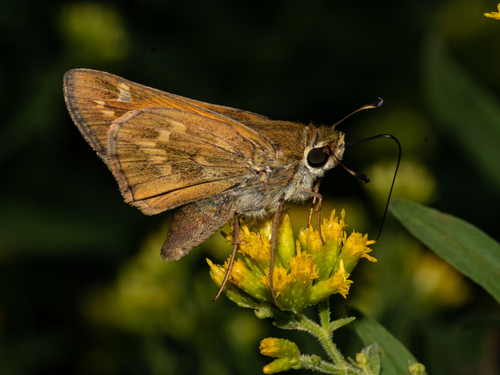
Puedes ver Huron Skipper, Garza Azulada y Petirrojo Americano.
Ver guía →

Virginia, US
Puedes ver Monarch, Tortuga De Caja Oriental y Mariquita Asiática.
Ver guía →
Virginia, US
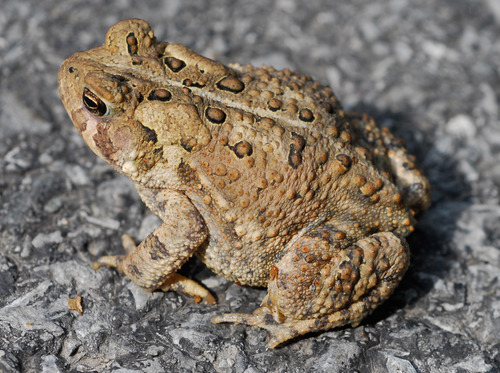
Puedes ver Sapo Americano, Liquidámbar Americano y Partridgeberry.
Ver guía →
Virginia, US
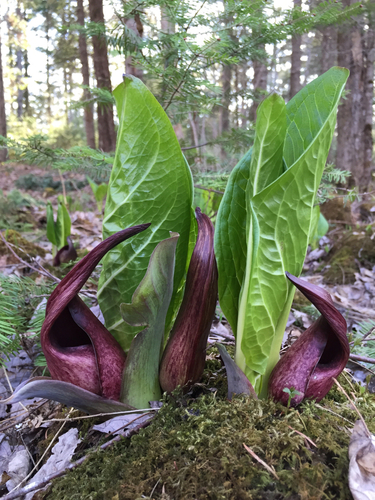
Puedes ver Eastern Skunk Cabbage, Mayapple y Lesser Celandine.
Ver guía →
Florida, US
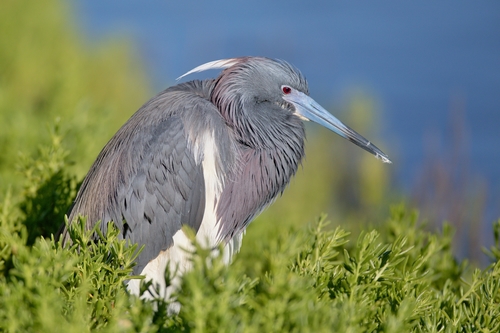
Puedes ver Tricolored Heron, Roseate Spoonbill y Wood Stork.
Ver guía →









.jpg&width=800)



