






Common Greenshield Lichen
flavoparmelia caperata
The Common Greenshield Lichen is a bright green lichen that often grows on rocks and trees. It looks like a little green shield and helps make our air clean!
Hábitat: Commonly found on tree bark, rocks, and soil in forests and urban areas.
The Common Greenshield Lichen has a distinctive bright yellow-green to gray-green, shield-like thallus that can grow quite large. Its wrinkled surface often features powdery soredia near the lobe tips, giving it a somewhat bumpy texture. The edges are often slightly ruffled, setting it apart from flatter, smoother lichens.
Categoría
HongosRareza
Common
Peligro
0/5 · Sin peligro conocido
Snaps
¡Sé la primera persona en hacer un snap!
It produces tiny powdery bits called soredia to spread to new places!
Its tough, leathery texture helps it survive strong winds and harsh weather!
Lichens are amazing pioneers, often the first life to colonize bare rock!
This lichen can grow incredibly slowly, sometimes just a millimeter a year!
Common Greenshield Lichen can soak up nutrients (and pollutants!) from the air, helping scientists understand air quality.
Common Greenshield Lichen has a tiny algae chef inside that makes sugary food using sunlight, just like plants!
Common Greenshield Lichen can dry up completely when it's parched, then spring back to life when water returns.

Arion ater
Provides a food source for grazing slugs.
Quercus rubra
Grows on the rough bark of oak trees.
Acer saccharum
Attaches to maple tree trunks for support.
El camuflaje describe a los organismos que poseen colores o patrones que les permiten mezclarse con su entorno.
Colorido describe a organismos u objetos que exhiben una amplia variedad de colores brillantes y distintivos.
Los hábitats boscosos son entornos terrestres dominados por una densa cubierta arbórea, que sustentan una gran diversidad de vida animal y vegetal.
Describe a los organismos que descomponen la materia orgánica muerta, reciclando los nutrientes de vuelta al ecosistema.

Los animales diurnos están activos principalmente durante el día y suelen descansar o dormir por la noche.
Peligro
0/5 · Sin peligro conocido
Todavía no hay notas especiales de seguridad.
0.1-0.5 cm
inedible
Commonly found on tree bark, rocks, and soil in forests and urban areas.
wood
Todo el año
Acércate para separar los grupos y explorar dónde se ha fotografiado este objeto.
Los snaps recientes aparecerán aquí a medida que se añadan nuevas observaciones.

District of Columbia, US
Puedes ver Pato, Gaviota De Delaware y Barnacla Canadiense.
Ver guía →
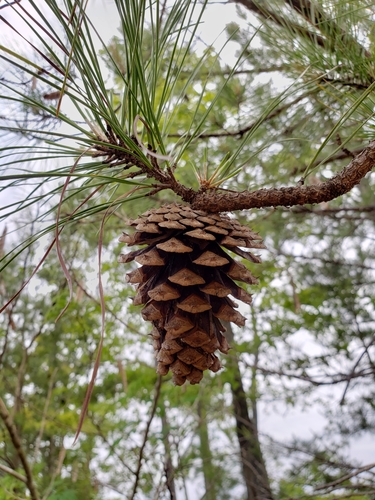
Virginia, US
Puedes ver Loblolly Pine, Fox Grape y Sensitive Fern.
Ver guía →
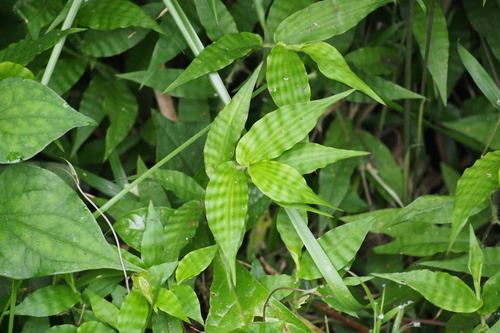
Virginia, US
Puedes ver Wavyleaf Basketgrass, Asian Jumpseed y Dekay's Brownsnake.
Ver guía →








.jpg&width=800)

