common hackberry
Celtis occidentalis
The common hackberry is a tall tree with rough bark and small, sweet berries. It provides shade and food for many animals, making it a great tree for parks and gardens.
Hábitat: Urban areas
The common hackberry is a medium to large deciduous tree known for its unique, corky, warty bark. Its alternate, ovate leaves are rough to the touch with toothed edges. Small, round, dark purple fruits develop in fall, persisting into winter.
Categoría
PlantasRareza
Common
Peligro
1/5 · Muy bajo
Snaps
¡Sé la primera persona en hacer un snap!
Birds love hackberry fruit so much, they help spread its seeds everywhere.
Its sweet berries taste like dates and are safe for humans to eat!
Native Americans used hackberry bark for traditional medicine and yellow dye.
The unusual bumpy bark on a hackberry feels like sandpaper mixed with cork!
Common hackberry can thrive in dry conditions thanks to its deep root system that finds water far below ground.
Common hackberry has incredibly thick, warty bark that provides unique shelter for insects and makes it tough against damage.
Common hackberry's sweet, purple berries cling to branches through winter, providing a crucial food source for birds when other food is scarce.
Common hackberry can tolerate harsh urban conditions, including pollution and poor soil, making it a resilient city tree.
Sialia sialis
feeds on its sweet berries in winter
Turdus migratorius
enjoys its persistent fruits year-round

Asterocampa celtis
its caterpillars exclusively eat hackberry leaves
Phyllocnistis celtifoliella
larvae create winding tunnels within leaves
Procyon lotor
consumes the nutritious hackberry fruits
Las plantas caducifolias pierden periódicamente todas sus hojas, por lo general durante el otoño o las estaciones secas.
Las plantas tolerantes a la sombra están adaptadas para crecer y prosperar en áreas con bajos niveles de luz, requiriendo menos luz solar directa.
Las plantas frutales producen frutos, que son los ovarios maduros de las plantas con flores que contienen semillas.
Los árboles de hoja ancha son angiospermas caracterizadas por hojas planas y anchas que típicamente se caen anualmente en climas templados.

Los colores otoñales se refieren al cambio estacional en la pigmentación del follaje, principalmente en plantas de hoja caduca, mostrando tonos vibrantes.

Las plantas comestibles son aquellas partes de una planta que se consideran seguras para el consumo humano.

Se refiere a la madera que ha sido preparada para su uso en la construcción y la carpintería.

Este rasgo caracteriza a los organismos con una esperanza de vida excepcionalmente larga en comparación con otros de su especie.

Describe una especie cuya presencia y papel tienen un efecto desproporcionadamente grande en su entorno.

Esta característica de hábitat indica especies que pueden coexistir con los humanos en entornos urbanos y suburbanos, utilizando estructuras artificiales y espacios verdes.
Todavía no hay alias listados.
Peligro
1/5 · Muy bajo
Always stay on paths when exploring near trees and be careful of falling branches.
1200-2500 cm
900-1500 cm
0.3-0.6 cm
Primavera
Sí
Ninguna
Perenne
Viento
Acércate para separar los grupos y explorar dónde se ha fotografiado este objeto.
Los snaps recientes aparecerán aquí a medida que se añadan nuevas observaciones.
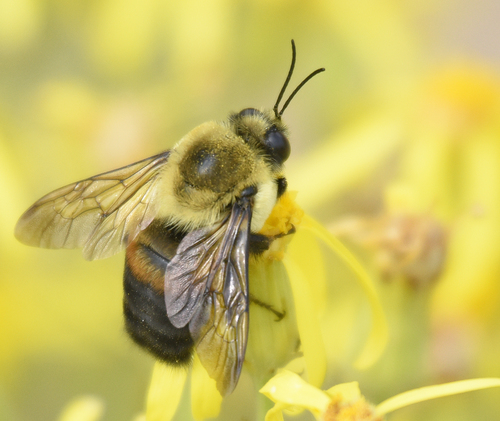
New York, US
Puedes ver Brown-Belted Bumble Bee y Ardilla Gris Oriental.
Ver guía →

Maryland, US
Puedes ver Bufflehead, Common Goldeneye y Pato.
Ver guía →
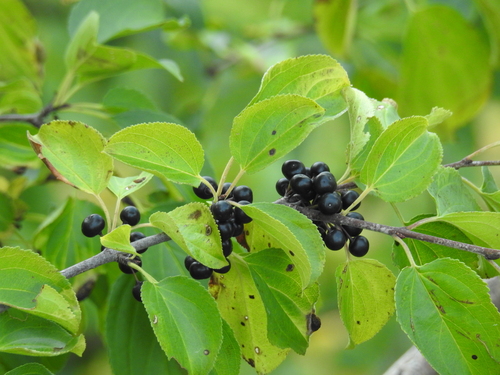
Michigan, US
Puedes ver Common Buckthorn, False Indigo Bush y Honey Locusts.
Ver guía →

Ontario, CA
Puedes ver Golondrina Común y Northern Yellow Warbler.
Ver guía →
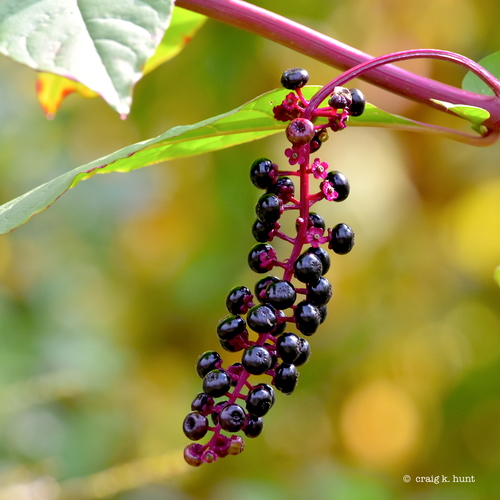
Maryland, US
Puedes ver American Pokeweed, Varas De Oro y Common Hackberry.
Ver guía →