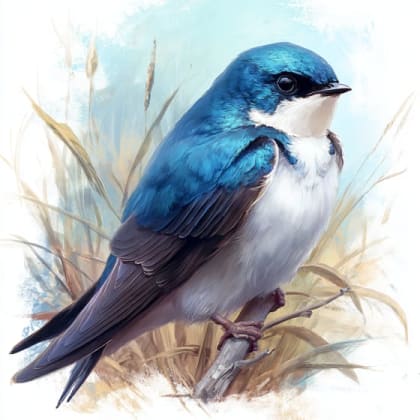
Common Redshank
Tringa totanus
The Common Redshank is a wading bird with long legs and a long beak. It has beautiful reddish-brown feathers and loves to be near water, where it finds tasty insects and small fish.
Hábitat: Wetlands
The Common Redshank is a medium-sized, elegant wader with bright orange-red legs and a straight bill that is red at the base and dark at the tip. Its plumage is mottled brown and white, with a striking white wedge on its back visible during flight.
Categoría
AvesRareza
Common
Peligro
1/5 · Muy bajo
Snaps
¡Sé la primera persona en hacer un snap!
Newly hatched Redshank chicks can leave the nest and find food almost instantly!
Redshanks can detect prey under mud without seeing it, using special bill sensors!
Their scientific name, *totanus*, comes from a Latin name for this whistling bird.
When alarmed, they often perform a unique 'head-bobbing' display.
Common Redshank has a loud, distinctive alarm call that helps them warn other birds of approaching dangers.
Common Redshank can detect hidden prey by probing sensitive bill tips into mud and shallow water.
Common Redshank has mottled brown feathers that help them blend perfectly into their wetland surroundings.
Common Redshank can undertake long-distance migrations, using strong wings to travel across continents.
They mostly eat small invertebrates like worms and crustaceans found in mud and shallow water.
Falco peregrinus
These fast falcons actively hunt adult Redshanks in open areas.
Larus argentatus
Herring Gulls are known to prey on Redshank eggs and young chicks.
Hediste diversicolor
This marine ragworm is a crucial part of the Redshank's wetland diet.
Carcinus maenas
Redshanks forage for small, juvenile green shore crabs.
Describe a los animales, principalmente aves, que poseen una cubierta de plumas.
Colorido describe a organismos u objetos que exhiben una amplia variedad de colores brillantes y distintivos.
Este rasgo identifica a los organismos cuya dieta consiste principalmente en insectos y otros pequeños invertebrados.
Este rasgo de hábitat identifica especies que se encuentran en humedales, que son áreas de tierra saturadas de agua, ya sea permanente o estacionalmente, e incluyen marismas, pantanos y ciénagas.

Este rasgo identifica a los organismos cuya dieta consiste total o principalmente en tejido animal.

Los animales diurnos están activos principalmente durante el día y suelen descansar o dormir por la noche.

Los hábitats acuáticos abarcan entornos donde los organismos viven principalmente en el agua, incluidos océanos, ríos, lagos y humedales.

Los animales migratorios emprenden movimientos estacionales de una región a otra, típicamente en respuesta a cambios en el clima o la disponibilidad de alimentos.
Todavía no hay alias listados.
Peligro
1/5 · Muy bajo
Always watch birds from a distance and be quiet so you don't scare them away.
27-31 cm
59-66 cm
0.085-0.15 kg
5-10 años
60 km/h
They mostly eat small invertebrates like worms and crustaceans found in mud and shallow water.
Wetlands
Foraging
Acércate para separar los grupos y explorar dónde se ha fotografiado este objeto.
Los snaps recientes aparecerán aquí a medida que se añadan nuevas observaciones.