
_Symphoricarpos_albus_-_Fruits_and_foliage_-_Les_Martels%2C_Giroussens_Tarn.jpg&width=800)





Common Snowberry
Symphoricarpos albus
Common Snowberry is a bushy plant that grows small, white berries. These berries are not for eating, but they look pretty and are fun to find in the wild!
Hábitat: Forests
The Common Snowberry is a leafy shrub recognized by its small, oval green leaves and delicate pinkish-white, bell-shaped flowers. Its most distinctive feature is clusters of bright, pearl-like white berries that persist into winter, making it stand out against other dormant plants.
Categoría
PlantasRareza
Common
Peligro
1/5 · Muy bajo
Snaps
¡Sé la primera persona en hacer un snap!
Its bright white berries are so unusual, they often look like tiny, perfectly round snowballs!
Native peoples once used snowberry plant parts to make a simple soap!
Stepping on a ripe snowberry can make a fun popping sound!
Though it has white berries, it's related to honeysuckle, which often has red or black berries!
Common Snowberry's white berries cling to its branches through winter, providing a crucial food source for birds when other food is scarce.
Common Snowberry can grow in many different soil types and tolerate drought, helping it survive in tough conditions.
Common Snowberry has an extensive root system that helps prevent soil erosion, keeping the ground healthy and stable.
Turdus migratorius
American Robins enjoy its persistent berries, especially in winter.
Apis mellifera
Honeybees visit its small flowers for nectar and pollen.
Odocoileus virginianus
Its dense branches provide cover and shelter for small wildlife.
Peromyscus maniculatus
Deer mice may consume snowberry foliage and fallen berries.
Las plantas caducifolias pierden periódicamente todas sus hojas, por lo general durante el otoño o las estaciones secas.
Un arbusto es una planta leñosa más pequeña que un árbol, típicamente con múltiples tallos que se ramifican desde o cerca del suelo.
Las plantas tolerantes a la sombra están adaptadas para crecer y prosperar en áreas con bajos niveles de luz, requiriendo menos luz solar directa.
Las plantas frutales producen frutos, que son los ovarios maduros de las plantas con flores que contienen semillas.

Los colores otoñales se refieren al cambio estacional en la pigmentación del follaje, principalmente en plantas de hoja caduca, mostrando tonos vibrantes.

Los hábitats boscosos son entornos terrestres dominados por una densa cubierta arbórea, que sustentan una gran diversidad de vida animal y vegetal.
Todavía no hay alias listados.
Peligro
1/5 · Muy bajo
Don't eat the berries, as they are not safe for people.
50-200 cm
50-200 cm
0.3-0.6 cm
Late Spring to Mid-Summer
No
Leve
Perenne
Insectos
Acércate para separar los grupos y explorar dónde se ha fotografiado este objeto.
Los snaps recientes aparecerán aquí a medida que se añadan nuevas observaciones.

Washington, US
Puedes ver Bigleaf Maple, Common Snowberry y Osoberry.
Ver guía →
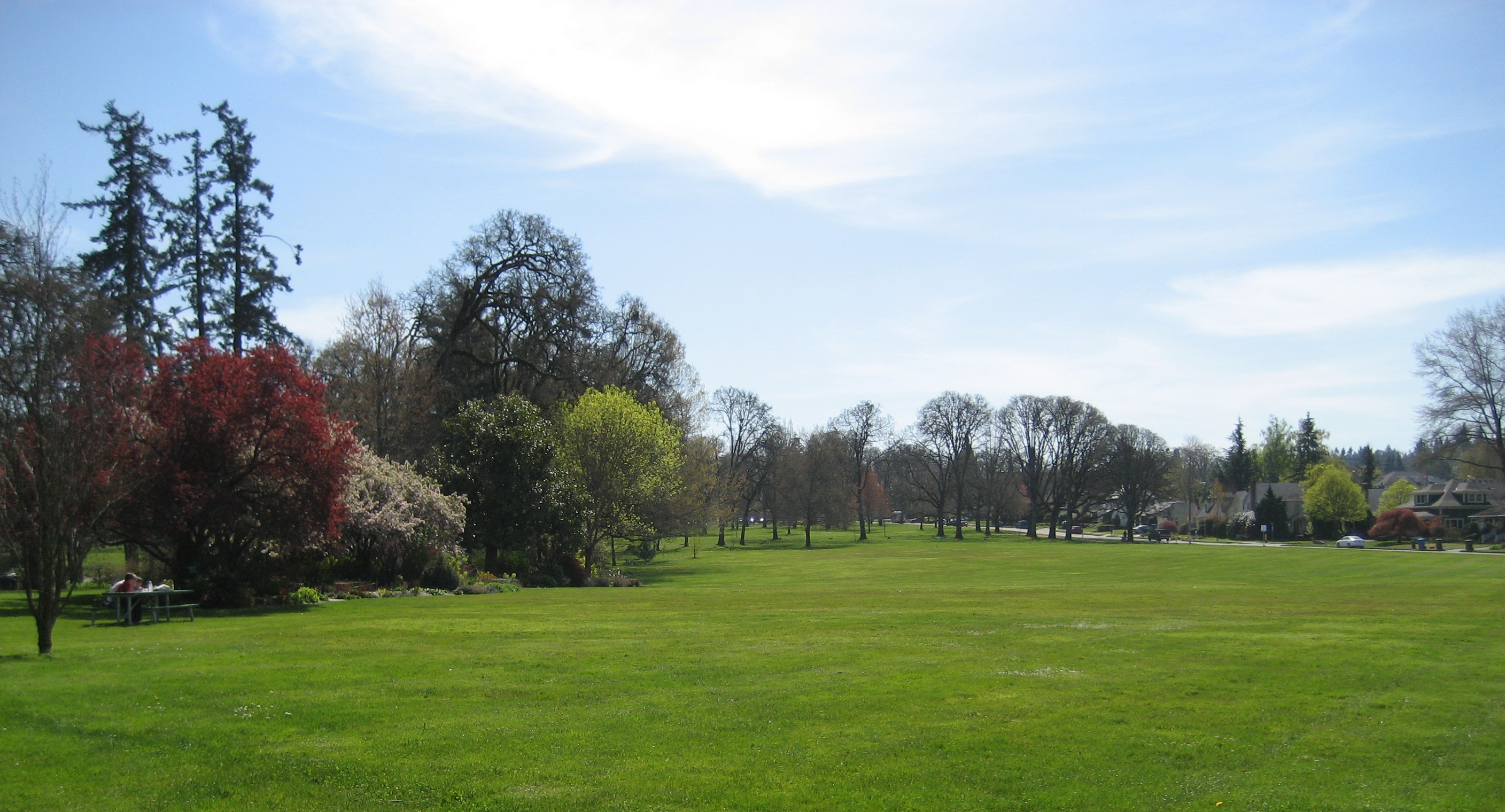
Oregon, US
Puedes ver Oregon Oak, Douglas's Ground Squirrel y Ardilla Gris Oriental.
Ver guía →
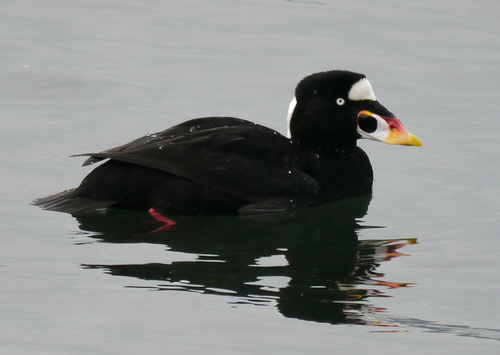
Washington, US
Puedes ver Surf Scoter, Eastern Cottontail y Rosa Silvestre.
Ver guía →

Quebec, CA
Puedes ver Cormorán Orejudo, Paloma Bravía y Wild Bergamot.
Ver guía →
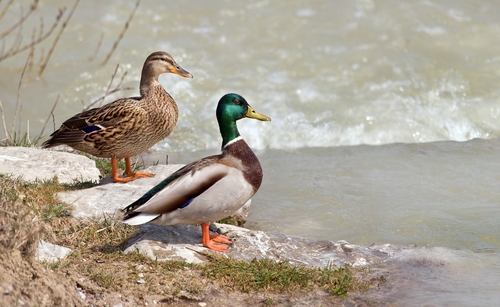
Washington, US
Puedes ver Pato, American Coot y Barnacla Canadiense.
Ver guía →
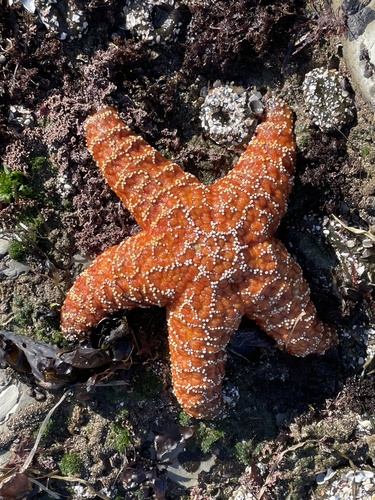
British Columbia, CA
Puedes ver Ochre Sea Star, Fringe Cups y Moonglow Anemone.
Ver guía →








.jpg&width=800)






_(Natural_Bridge_State_Park%2C_Virginia%2C_USA)_2_(27804946205).jpg&width=800)
