






Common Whitetail
Plathemis lydia
The Common Whitetail is a beautiful dragonfly with white patches on its wings. It loves to fly around ponds and sunny spots, making it a fun sight to see!
Hábitat: Wetlands
The Common Whitetail is a medium-sized dragonfly with a robust body. Males have a broad, chalky-white abdomen and dark patches at the base and middle of their clear wings. Females are yellowish-brown with a row of triangular spots along the abdomen and similar wing markings.
Categoría
InsectosRareza
Common
Peligro
1/5 · Muy bajo
Snaps
¡Sé la primera persona en hacer un snap!
A single Common Whitetail can eat hundreds of mosquitoes every single day!
Baby Common Whitetails can live underwater for several years before they fly!
Dragonflies have been zipping around Earth for over 300 million years!
They hold their six spiky legs like a basket to scoop up prey right out of the air!
Common Whitetail has enormous compound eyes that help them spot tiny flying insects in almost every direction while hunting.
Common Whitetail can fly straight up, backward, or hover perfectly still because of their two pairs of independently moving wings.
Common Whitetail larvae have a special hinged jaw that shoots out to grab and catch prey underwater very quickly.
Common Whitetails are fierce insect hunters, eating many different kinds of small flying insects.
Diferencias por edad: Larvae (naiads) eat aquatic insects, tadpoles, and small fish, while adults only eat flying insects.
Aedes aegypti
Adults prey on this mosquito species.
Anax junius
Larger dragonflies occasionally prey on smaller ones.
.jpg&width=800)
Tyrannus tyrannus
Adult dragonflies are a food source for these birds.
Lepomis macrochirus
Fish prey on Common Whitetail larvae underwater.
Los animales solitarios viven solos durante la mayor parte de su vida y solo interactúan con otros para aparearse o cuidar de sus crías.
Las criaturas aéreas pasan una parte importante de su vida en el aire, utilizando el vuelo para diversas actividades como la caza, la migración o la anidación.
Colorido describe a organismos u objetos que exhiben una amplia variedad de colores brillantes y distintivos.
Este rasgo identifica a los organismos cuya dieta consiste principalmente en insectos y otros pequeños invertebrados.

Este rasgo de hábitat identifica especies que se encuentran en humedales, que son áreas de tierra saturadas de agua, ya sea permanente o estacionalmente, e incluyen marismas, pantanos y ciénagas.

Los hábitats de agua dulce incluyen entornos acuáticos no salinos como ríos, lagos, estanques y humedales, vitales para numerosas especies.

Los animales diurnos están activos principalmente durante el día y suelen descansar o dormir por la noche.

Este rasgo identifica a los organismos que exhiben una rapidez excepcional en sus movimientos para cazar, escapar o desplazarse.

Describe organismos que transfieren polen, permitiendo la fertilización y reproducción de las plantas.
Todavía no hay alias listados.
Peligro
1/5 · Muy bajo
Dragonflies are safe to watch, but don't try to catch them; they are delicate.
70-80 mm
39-50 mm
30-60 días
45 km/h
Common Whitetails are fierce insect hunters, eating many different kinds of small flying insects.
Wetlands
Pursuit
6
Acércate para separar los grupos y explorar dónde se ha fotografiado este objeto.
Los snaps recientes aparecerán aquí a medida que se añadan nuevas observaciones.
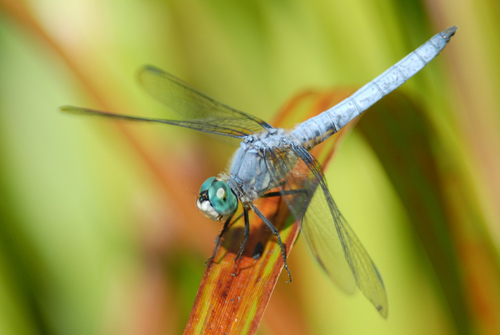
New Jersey, US
Puedes ver Libélula Azul, Eastern Pondhawk y Laughing Gull.
Ver guía →

District of Columbia, US
Puedes ver Libélula Azul, Fragile Forktail y Slaty Skimmer.
Ver guía →
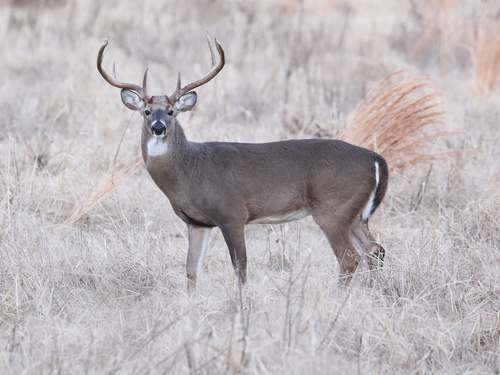
Michigan, US
Puedes ver Ciervo De Cola Blanca, Wild Bergamot y Pavo.
Ver guía →
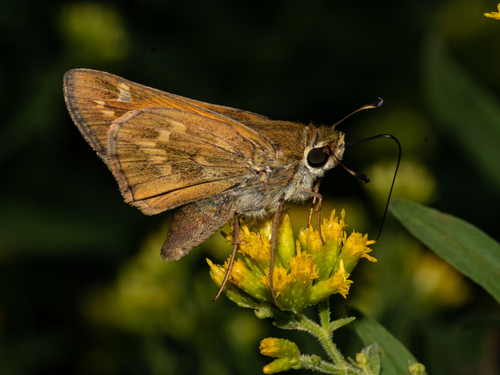
Virginia, US
Puedes ver Huron Skipper, Escarabajo Japonés y Peck's Skipper.
Ver guía →
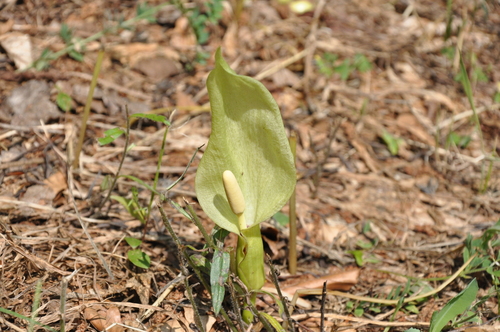
Virginia, US
Puedes ver Italian Arum, Common Mugwort y Japanese Barberry.
Ver guía →

New York, US
Puedes ver Common Mugwort, Snow Goose × Brant y Spotted Lanternfly.
Ver guía →












