Common Wormsnake
Carphophis amoenus
The Common Wormsnake is a small, harmless snake that loves to hide under leaves and rocks. It has a smooth, shiny body and is usually brown or gray, making it easy to blend in with the ground.
Hábitat: Forests
The Common Wormsnake is a small, slender serpent with smooth, glossy scales. It has a distinctive pinkish-brown to dark brown back that contrasts sharply with its bright pink or reddish belly. Its head is small and pointed, not much wider than its body.
Categoría
ReptilesRareza
Common
Peligro
1/5 · Muy bajo
Snaps
¡Sé la primera persona en hacer un snap!
Despite its name, it's not a worm; it's a real, harmless snake!
It spends almost its entire life underground, a true soil dweller!
This tiny snake has scales so smooth, they feel like polished glass!
When scared, it sometimes pretends to be an earthworm to trick predators!
Common Wormsnake can burrow through loose soil because of its pointed head and smooth scales that help them tunnel quickly.
Common Wormsnake has a stiff, pointed tail that helps them poke or push against predators, startling them into releasing the snake.
Common Wormsnake can find hidden earthworms underground because of its keen sense of smell, helping them locate their favorite food.
This snake loves to slurp up earthworms and other soft-bodied invertebrates found underground.
Lumbricus terrestris
Their primary food source, found by burrowing through soil.
Didelphis virginiana
A common predator that digs up and eats these snakes.
Buteo jamaicensis
An aerial predator that preys on exposed snakes.
Los animales solitarios viven solos durante la mayor parte de su vida y solo interactúan con otros para aparearse o cuidar de sus crías.
El camuflaje describe a los organismos que poseen colores o patrones que les permiten mezclarse con su entorno.
Los animales excavadores cavan túneles y cámaras en el suelo y utilizan estas estructuras subterráneas para refugiarse, cazar o reproducirse.
Este rasgo identifica a los organismos cuya dieta consiste principalmente en insectos y otros pequeños invertebrados.

Los hábitats boscosos son entornos terrestres dominados por una densa cubierta arbórea, que sustentan una gran diversidad de vida animal y vegetal.

Describe a los organismos que descomponen la materia orgánica muerta, reciclando los nutrientes de vuelta al ecosistema.
Todavía no hay alias listados.
Peligro
1/5 · Muy bajo
Wormsnakes are not dangerous, but it's always best to watch snakes from a distance.
18-34 cm
0.005-0.015 kg
5-10 años
0.5 km/h
This snake loves to slurp up earthworms and other soft-bodied invertebrates found underground.
Forests
Foraging
2-8
Acércate para separar los grupos y explorar dónde se ha fotografiado este objeto.
Los snaps recientes aparecerán aquí a medida que se añadan nuevas observaciones.
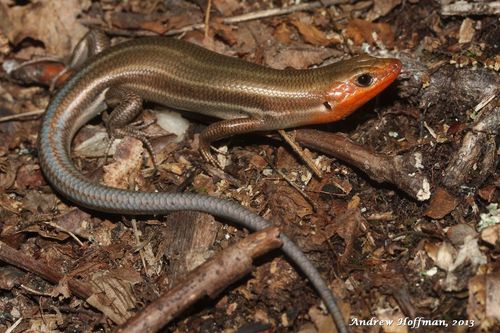
Virginia, US
Puedes ver Common Five-Lined Skink y Tortuga De Caja Oriental.
Ver guía →
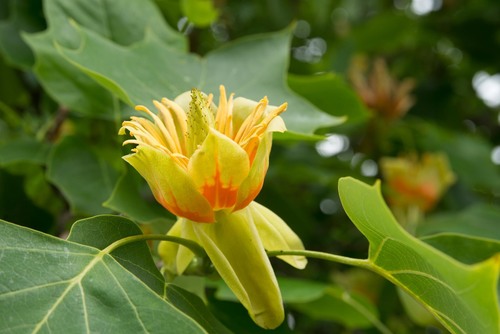
Virginia, US
Puedes ver American Tuliptree, Gorrión Común y Common Eastern Bumble Bee.
Ver guía →
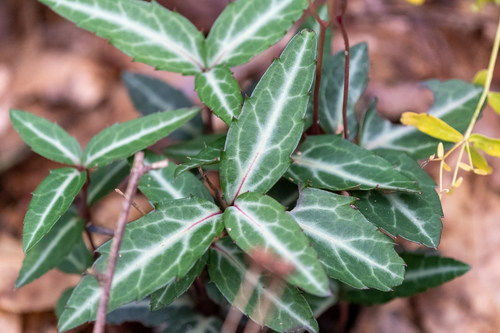
Virginia, US
Puedes ver Striped Wintergreen, Christmas Fern y Autumn Olive.
Ver guía →
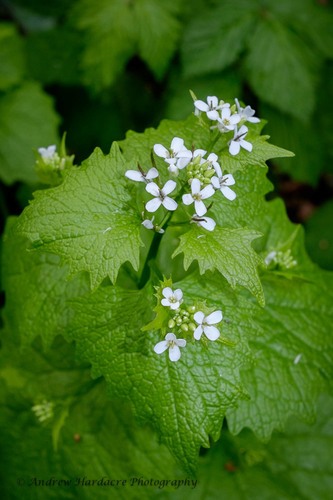
Virginia, US
Puedes ver Garlic Mustard, Violetas y Wineberry.
Ver guía →
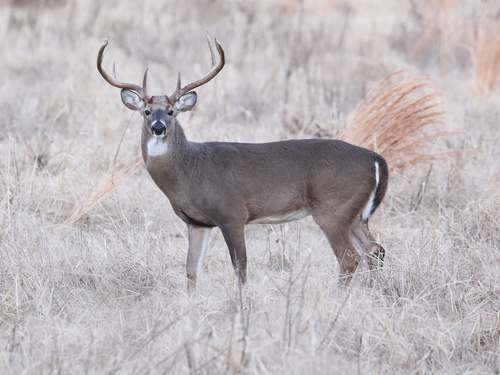
Virginia, US
Puedes ver Ciervo De Cola Blanca y Eastern Skunk Cabbage.
Ver guía →
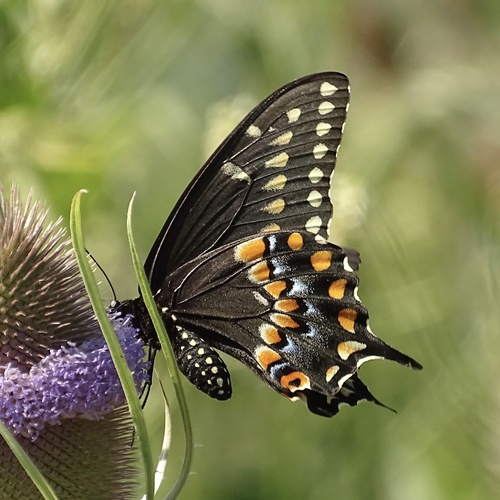
Virginia, US
Puedes ver Mariposa Cometa Negra, Poison Hemlock y Crape-Myrtles.
Ver guía →